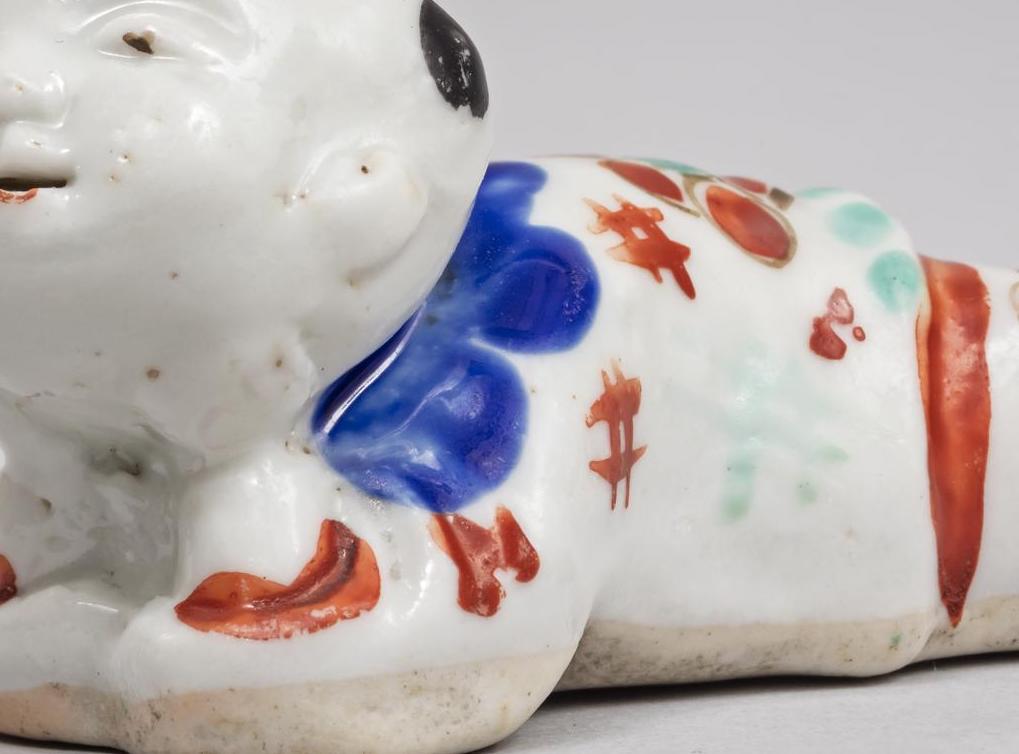
What is Porcelain?
“Ceramic” is the term used to describe any object made of clay and fired. There are many different types of ceramic, each generally defined by its material, its firing temperature, and sometimes how it is decorated. Porcelain is one them. Whiteness, translucency, strength, and resonance when struck are its main characteristics.
The Macdonald Collection includes porcelains made in China, Japan, and Europe. It also includes objects made in ceramic types that do not have the chemical composition of porcelain but resemble it in appearance, including tin-glazed earthenware and soft-paste porcelain.
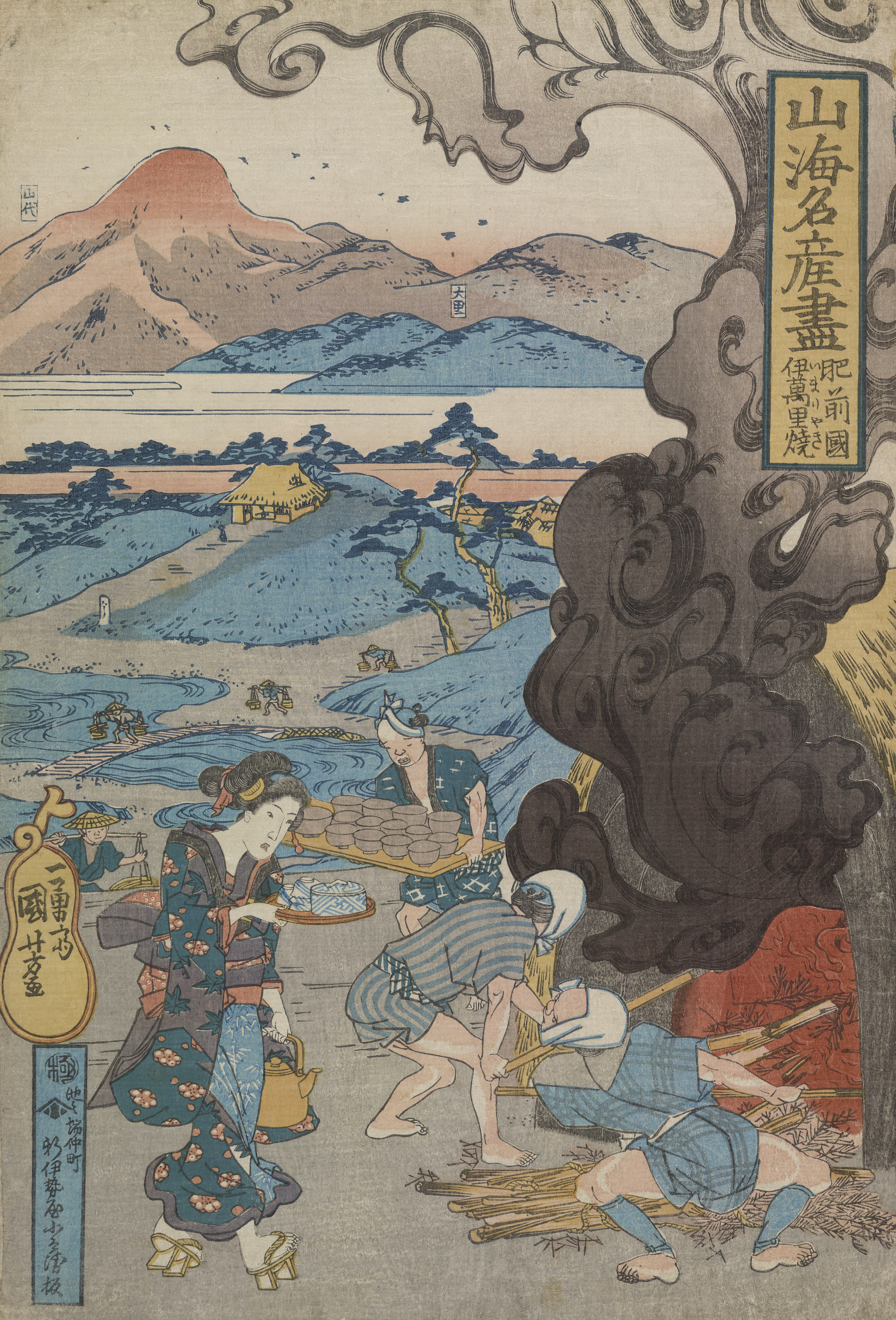
Imari ceramics, from All the Famous Products of Land and Sea, Utagawa Kuniyoshi, Japan, 1830-1831, Woodblock on paper. British Museum.
Credits
The Invention of Porcelain in China
Porcelain was made in China as early as the 6th century. The Chinese porcelain paste is composed of kaolin and china stone (petuntse), which fuse and vitrify when fired at 1250˚C and above. The result is a strong, white, translucent, and impermeable body that is also resonant when struck. In the 13th century, the city of Jingdezhen in southern China emerged as the porcelain capital. Around 1320, its potters introduced decoration in blue and white, a style that conquered the world and inspired new traditions, including in Japan.


Mountain form brush-rest, China, Ming Dynasty (1368-1644), c.1506-1521, Porcelain with underglaze cobalt blue. Gardiner Museum, The Robert Murray Bell and Ann Walker Bell Collection of Chinese Blue and White Porcelain
Japan’s First Porcelain
Chinese porcelain was so admired that cultures worldwide attempted to recreate its unique characteristics. Porcelain was first produced in Japan in the 1610s on the islands of Kyushu in Hizen province. Potters from Korea—where white porcelain was made since the 13th century—were taken to Kyushu as war captives in the 1590s and are generally believed to be at the origin of its making. One among them, a potter named Ri Sampei, allegedly discovered the components of porcelain—kaolin and feldspar—naturally mixed together in the mountains near Arita.
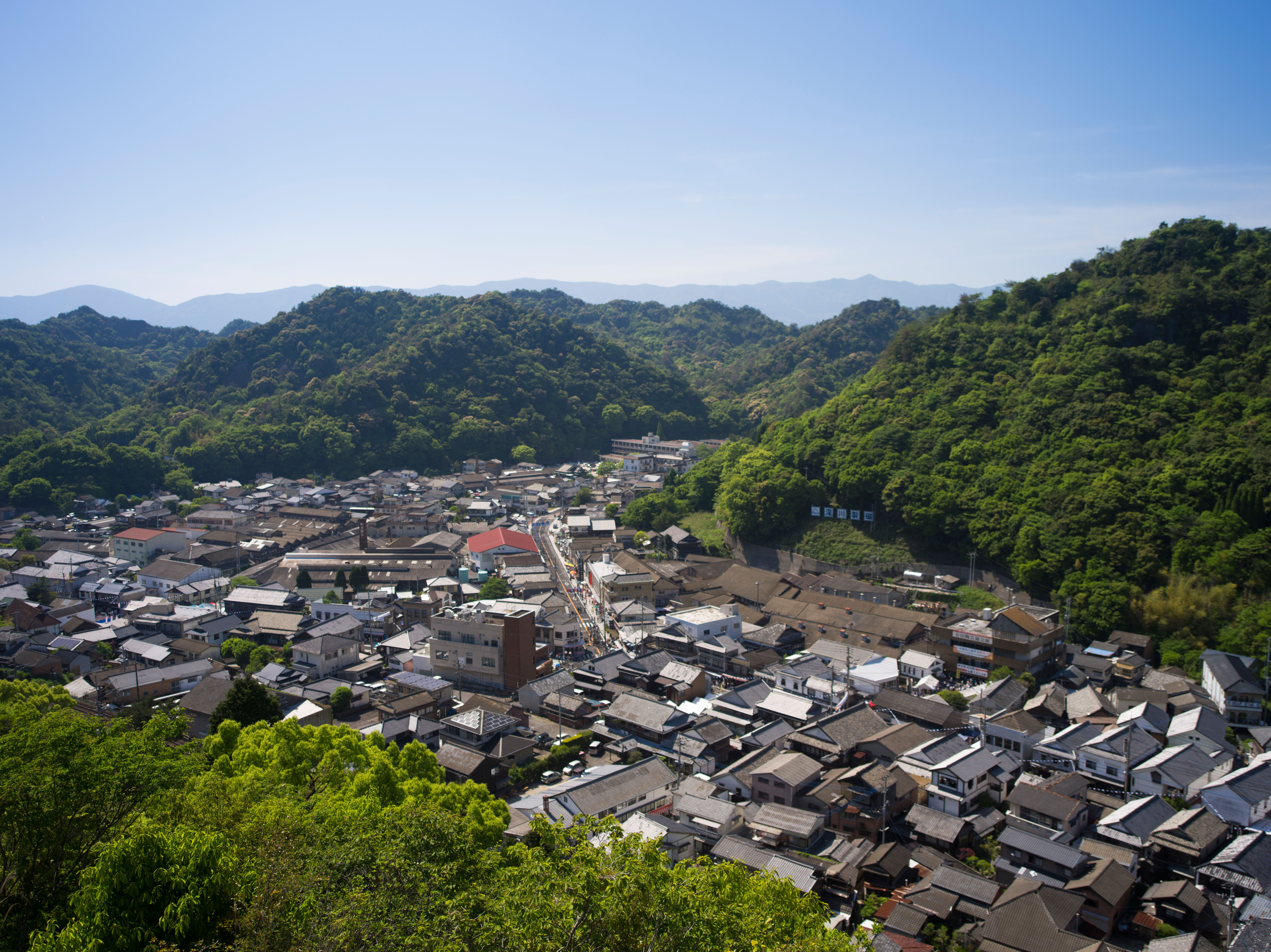
Present-day Arita Credits

Dish, Japan, Hizen, c.1620-1640, Porcelain with underglaze blue. The Macdonald Collection
Having the Look of Porcelain: Tin-glazed Earthenware
European potters turned to tin-glazed earthenware as part of their quest for porcelain. This low-fired earthenware covered by an opaque white glaze containing tin resembled porcelain in appearance but not in substance. Invented in the 9th century in what is present-day Iraq, tin-glazing spread throughout Europe, where it is known under different names according to its place of production: maiolica in Italy, Delftware in the Netherlands and England, and faience in France. Dutch potters imitated the Kakiemon style on Delftware, which was used to create a replacement lid for this tall vase.
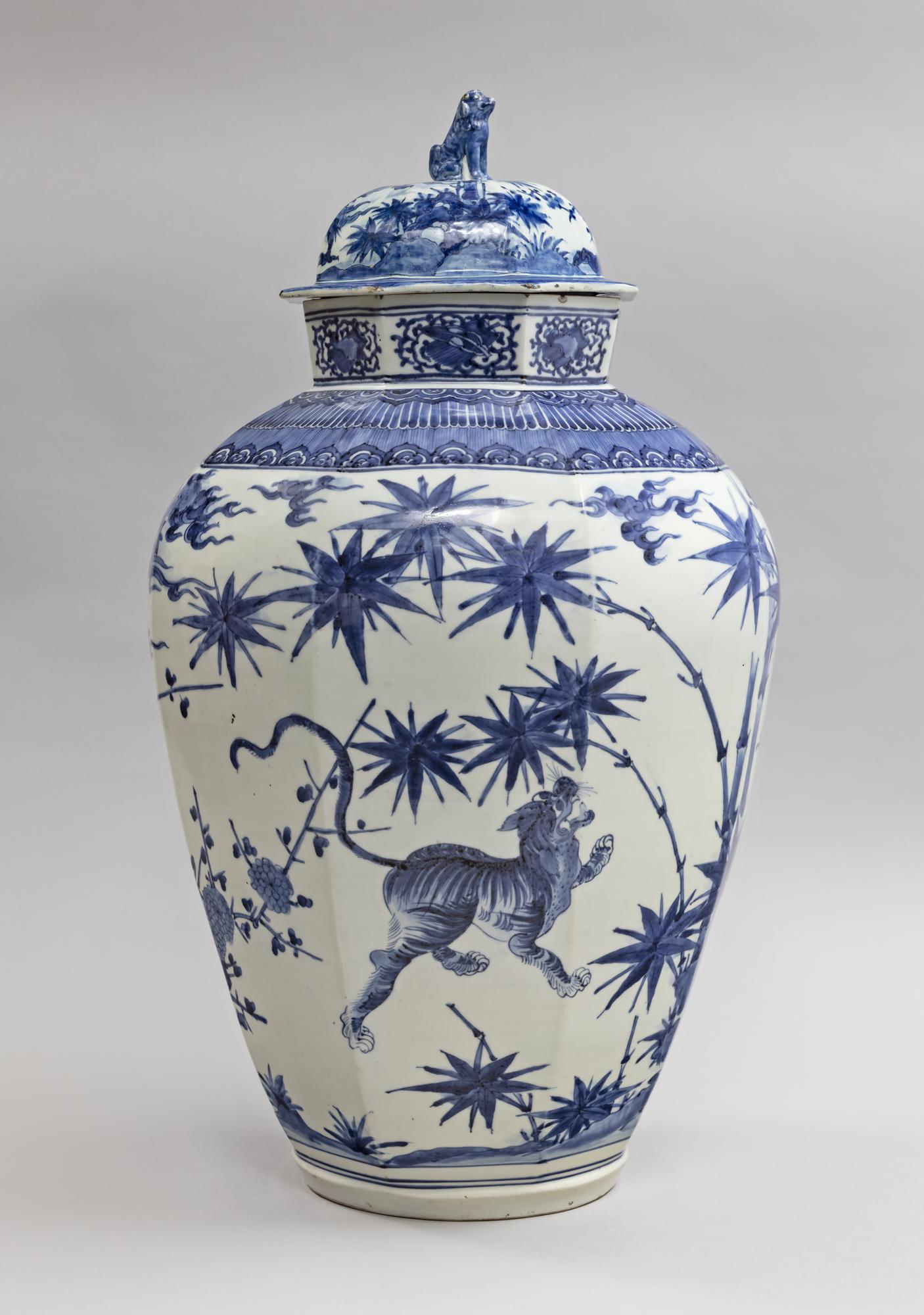
Covered vase with dragon and tiger, Japan, Hizen, c. 1680–1700; Lid made in Delft, the Netherlands, 18th century. Porcelain with underglaze cobalt blue (vase), and tin-glazed earthenware (lid). The Macdonald Collection

Almost Porcelain: Soft-Paste
A type of porcelain called “soft-paste” was made in Europe from the late 16th to the 18th century before manufacturers discovered the secret for making true or “hard-paste” porcelain: kaolin. Each factory had its own recipe for the paste, but all involved the inclusion of white firing clays and glassy frit. Soft-paste porcelain is fired at a lower temperature and although it shares porcelain’s translucency, it is not as strong. Soft-paste porcelain also cracks when filled with boiling water. In this collection, soft-paste porcelain is represented by pieces made in France and England.
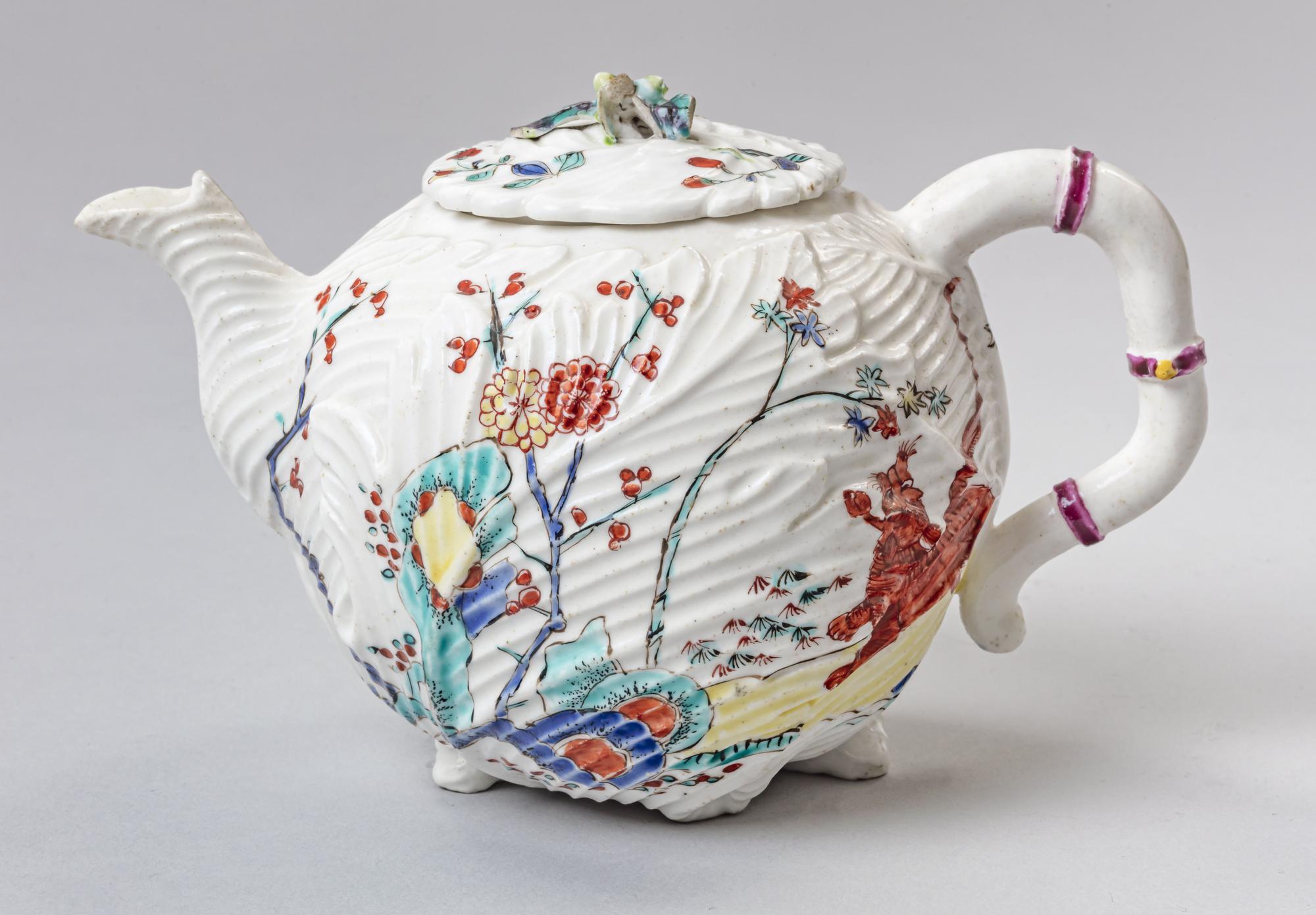
Acanthus-leaf teapot, England, Chelsea, c. 1745–49. Soft-paste porcelain with overglaze enamels. The Macdonald Collection

Pickle dish with quail. France, Chantilly, c. 1730–1740. Soft-paste porcelain with tin-opacified glaze, overglaze enamels. The Macdonald Collection
Europe's first "True" Porcelain
After extensive experiments supported by Augustus the Strong of Saxony, an alchemist named Johann Friedrich Böttger and a physicist named Ehrenfried Walther von Tschirnhaus discovered the secrets of hard-paste porcelain. This involved the discovery of a key ingredient, kaolin, in addition to the construction of kilns that could be fired between 1200°C and 1400°C. This breakthrough led to Augustus the Strong’s foundation of the Meissen manufactory in 1710, which was the first to produce hard-paste porcelain in Europe. Meissen’s porcelain had all the characteristics of Chinese and Japanese porcelain.
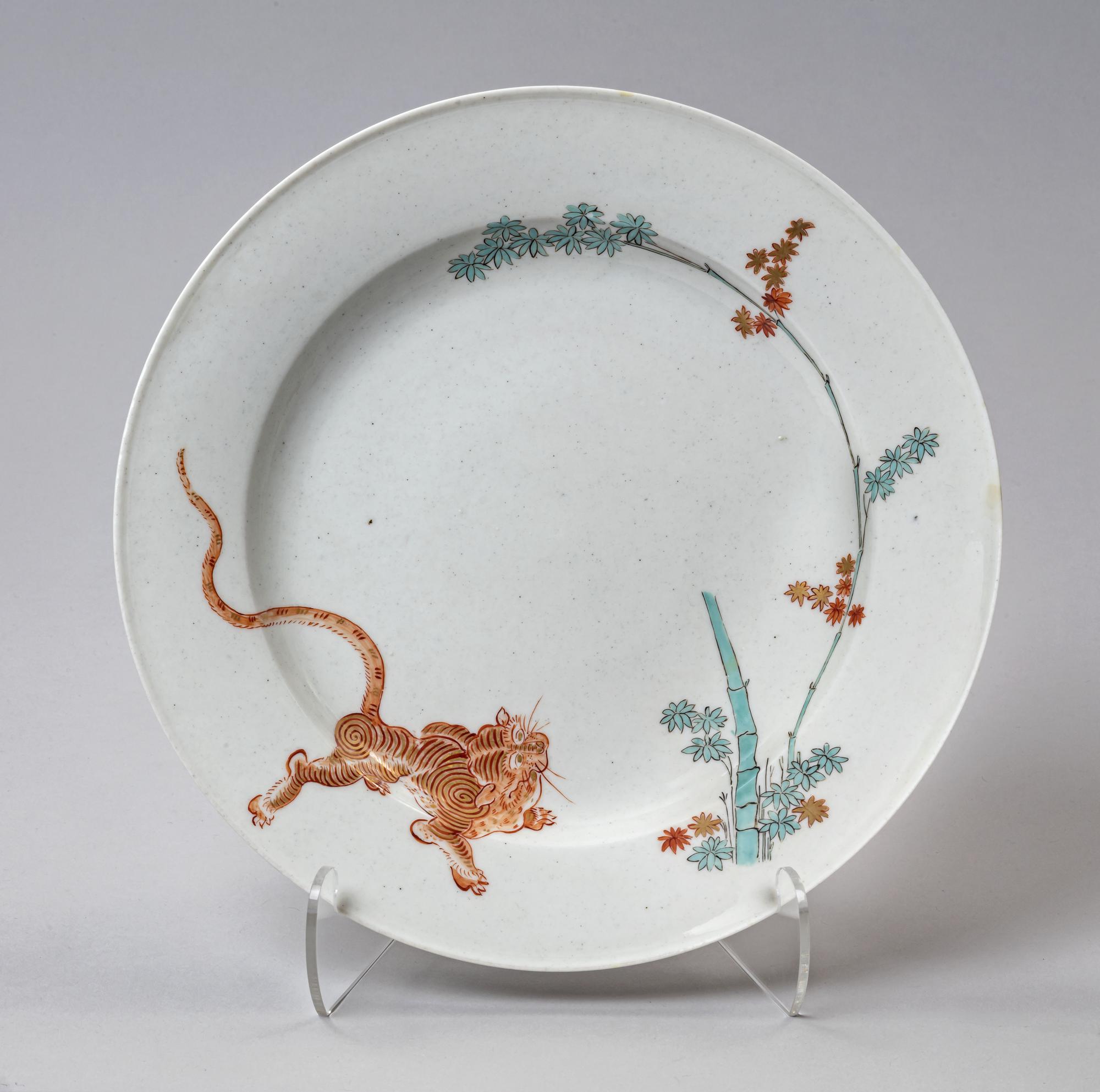
Dish with tiger and bamboo, Germany, Meissen, 1728–31. Hard-paste porcelain with overglaze enamels. The Macdonald Collection
Making Objects
Asian and European potters made objects with regular shapes, such as bowls and vases, by throwing on the wheel. Shapes were sometimes further modified using a mould to modify the shape or add definition. Three-dimensional figures were entirely made by using press-moulds. The use of moulds enabled production in multiples.
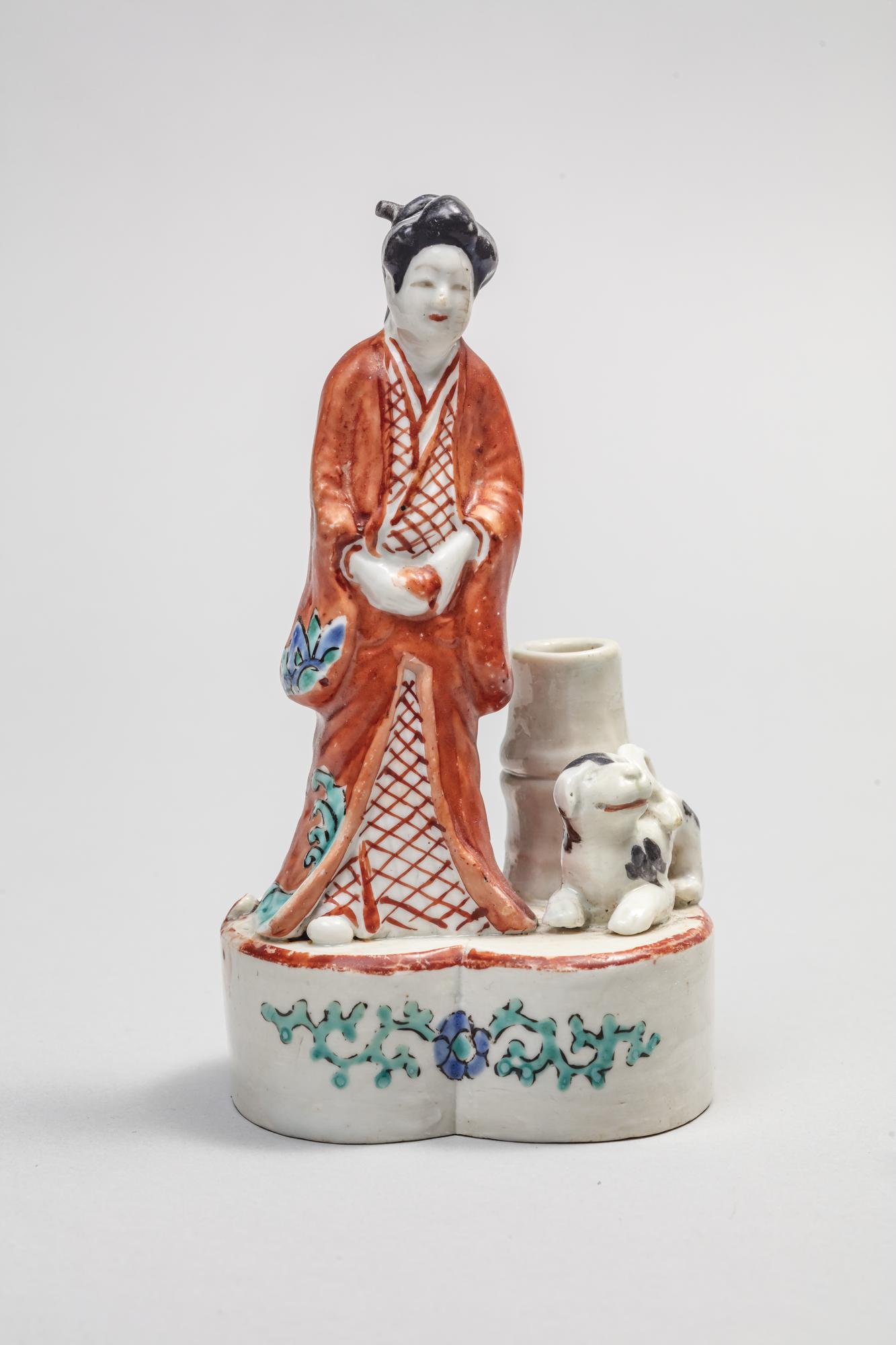
Water dropper, Japan, Hizen, c. 1680. Porcelain with overglaze enamels. The Macdonald Collection
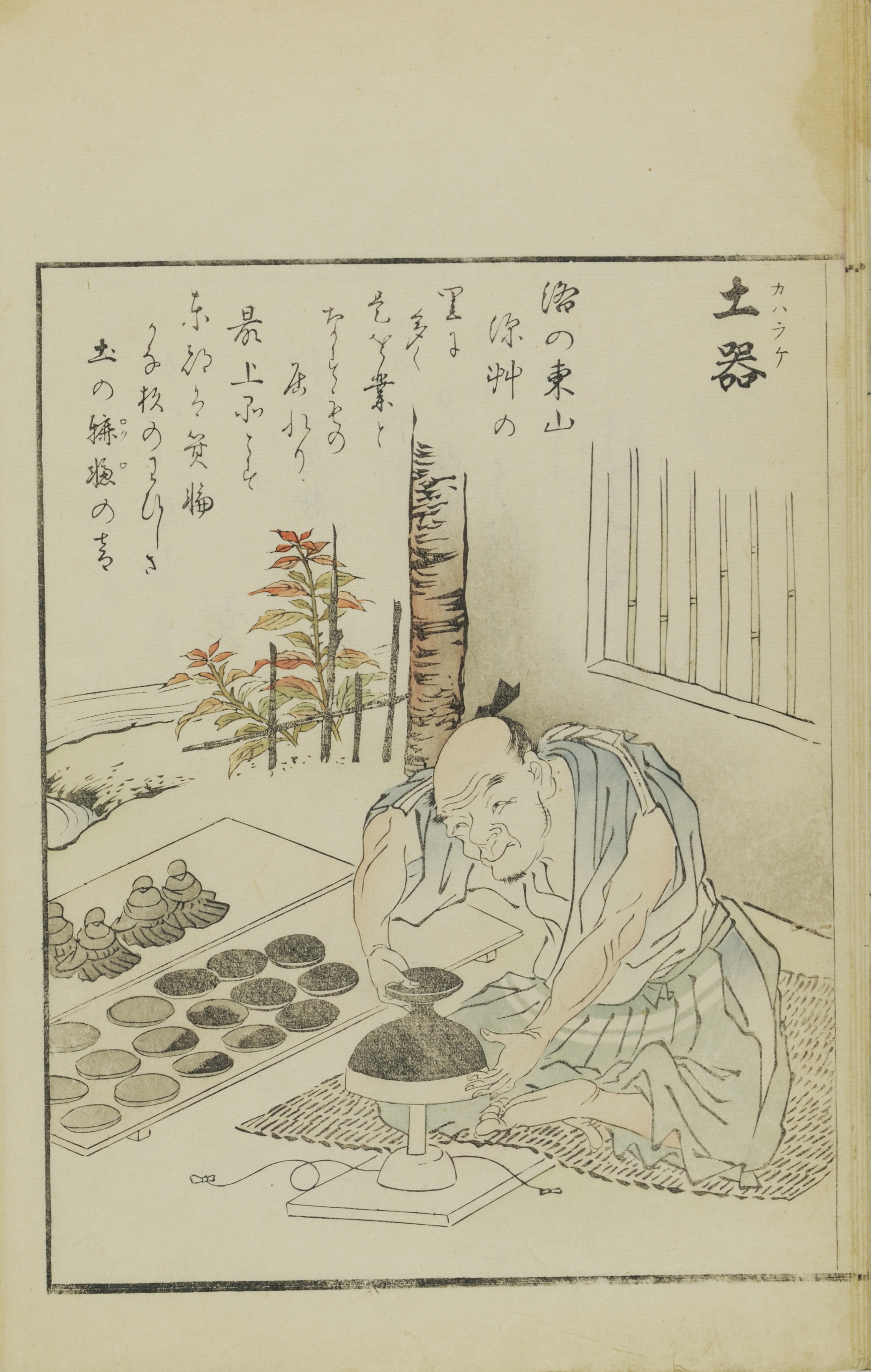
“The Potter” from Saiga Shokunin Burui (Colored Pictures of Classified Artisans), Tachibana Minkō, Japan, 1770, Paper and woodblock. British Museum.
Credits
Decorating: Underglaze Cobalt Blue
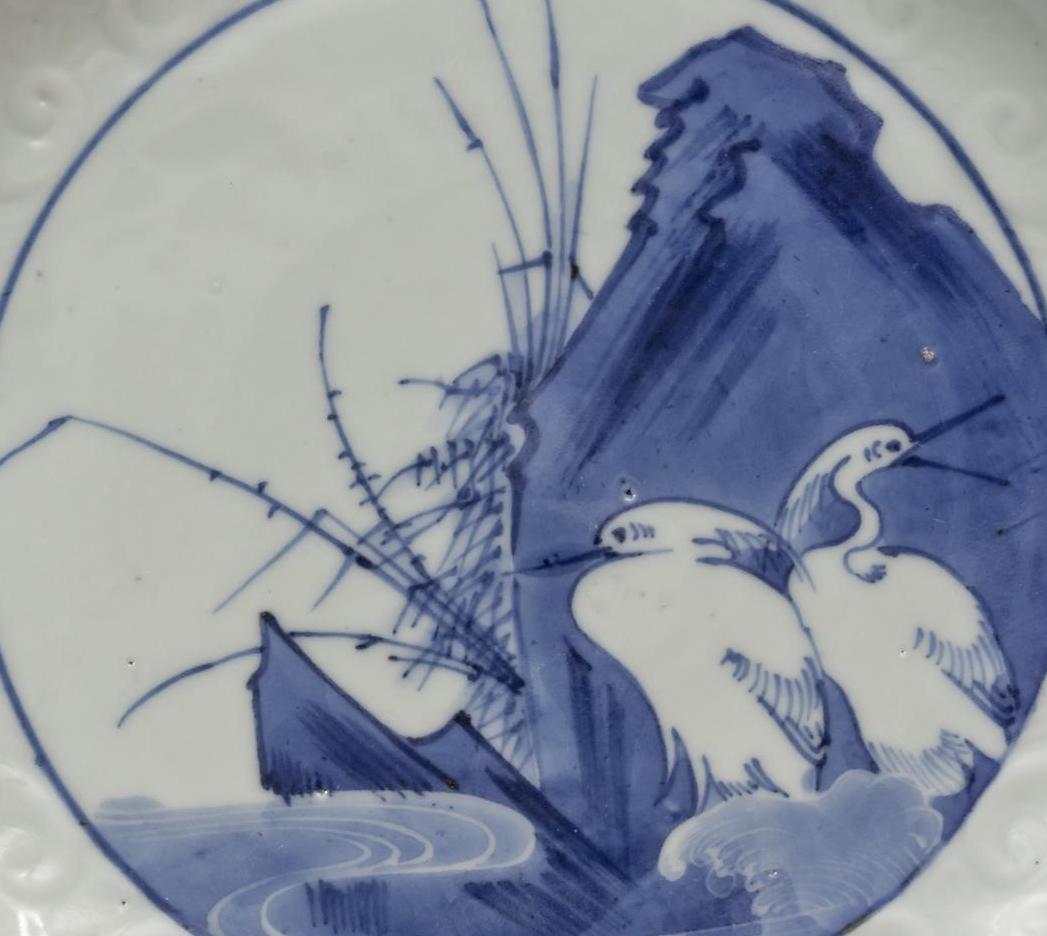
Porcelain can be decorated with underglaze or overglaze enamels, or a combination of both. The blue-and-white porcelain seen in this collection results from the application of decoration using cobalt oxide onto an unfired piece. The object is then covered with a clear glaze. During a high-temperature firing, the pigments fuse with the glaze and create a surface with a uniform sheen.
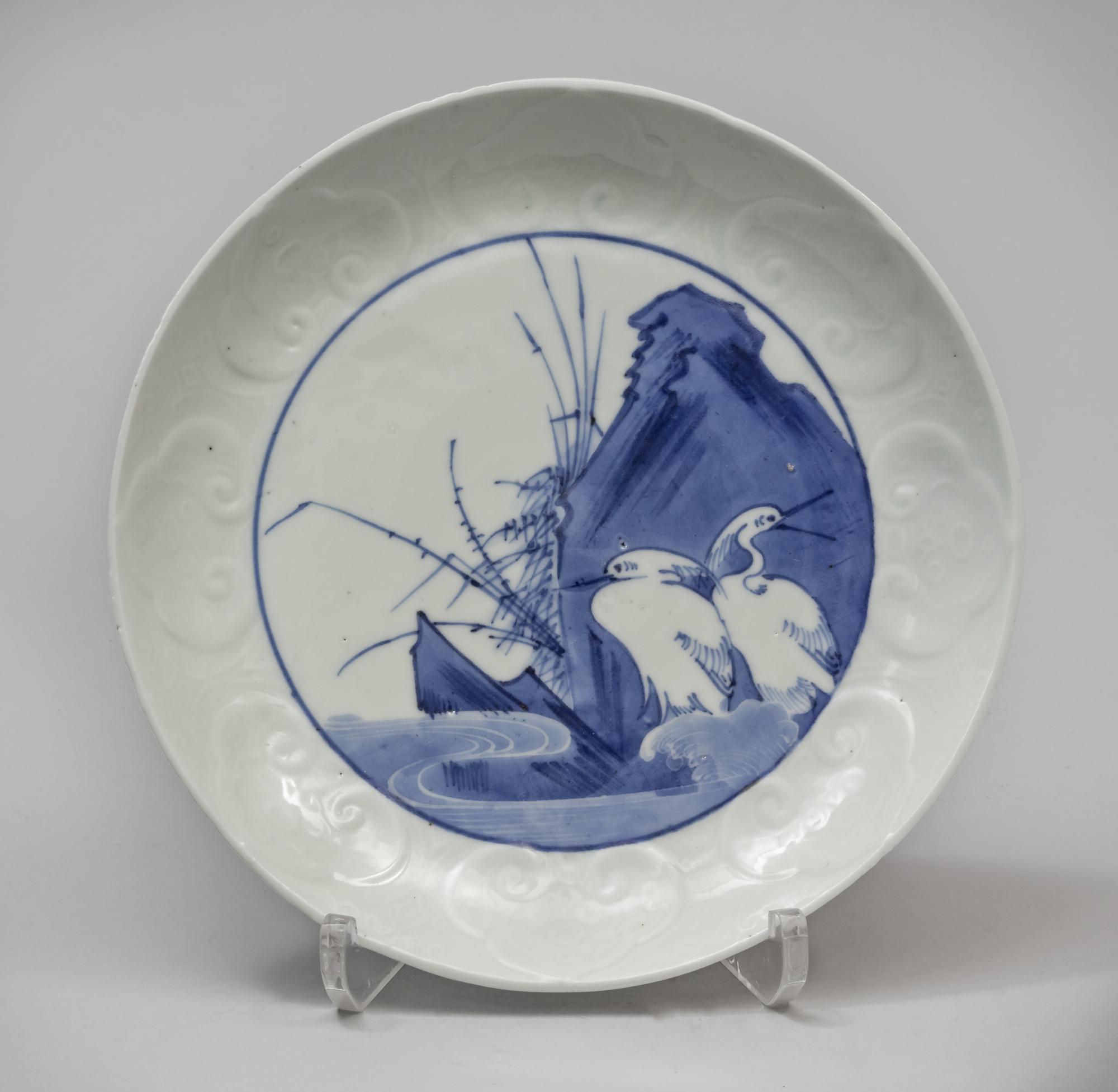
Dish with egrets, Japan, Hizen, c. 1670. Porcelain with underglaze blue. The Macdonald Collection
Decorating: Overglaze Enamels
Overglaze enamels are applied over a fired and glazed piece. Enamels consist of powdered mixtures of mineral oxides and glazes mixed with a binding agent. Once applied the ceramic piece is fired in a special kiln called a muffle kiln and fired at lower temperatures ranging between 600°C and 850°C. The enamels then melt and adhere to the surface. Because they “sit” over the glaze, these enamels create a slight relief, which one can feel when touching a piece. The technique was perfected in Japan in the 1640s.
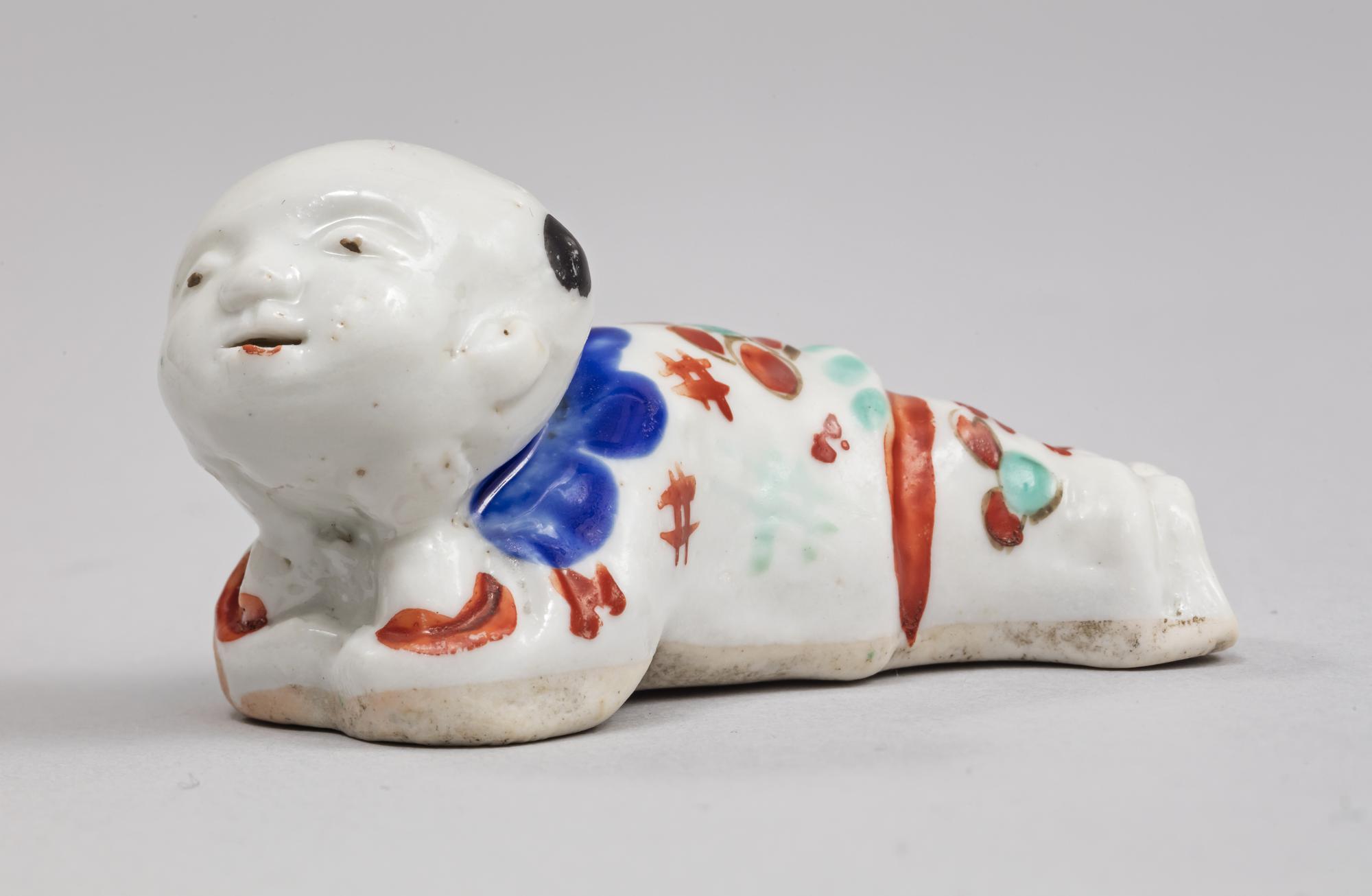
Reclining boy, Japan, Hizen, 1670–1700. Porcelain with overglaze enamels. The Macdonald Collection