The Kakiemon Style in Germany

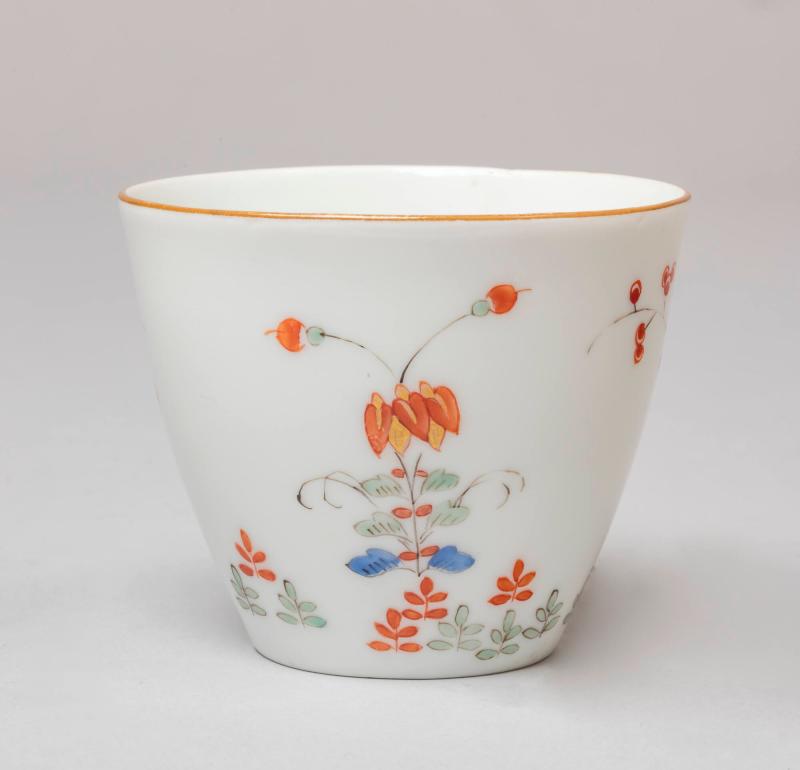
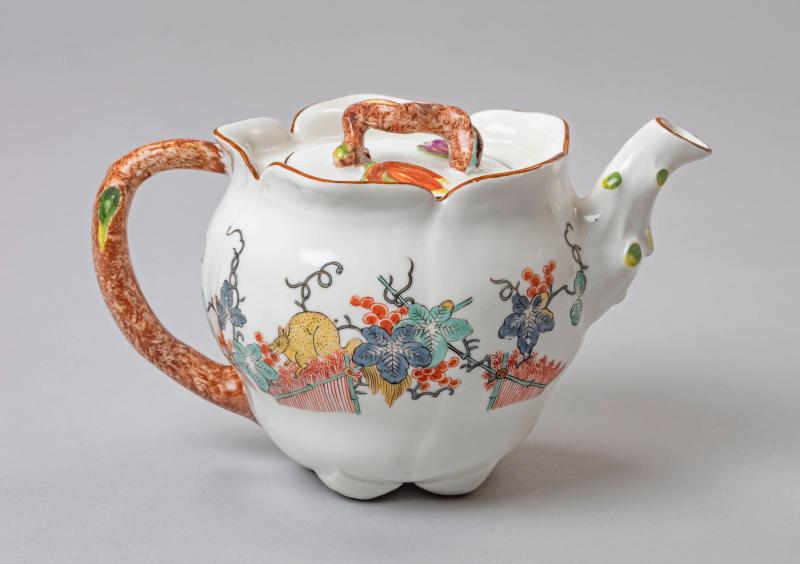
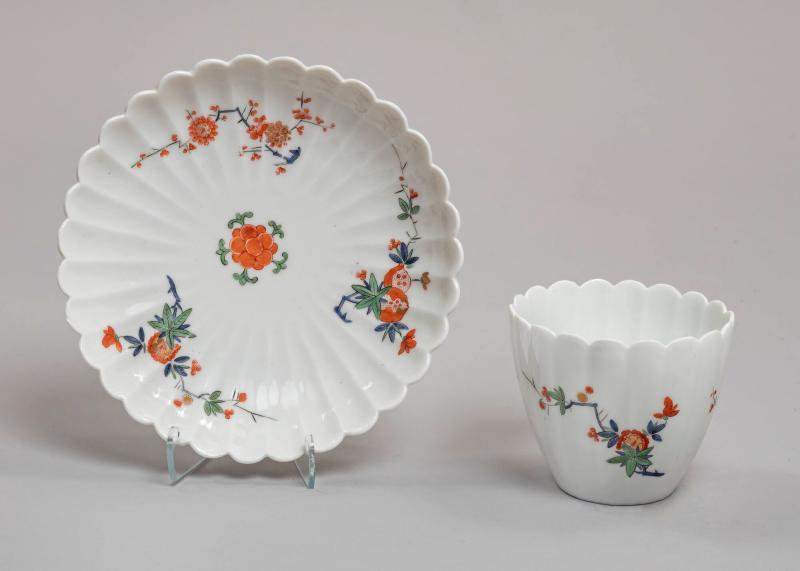
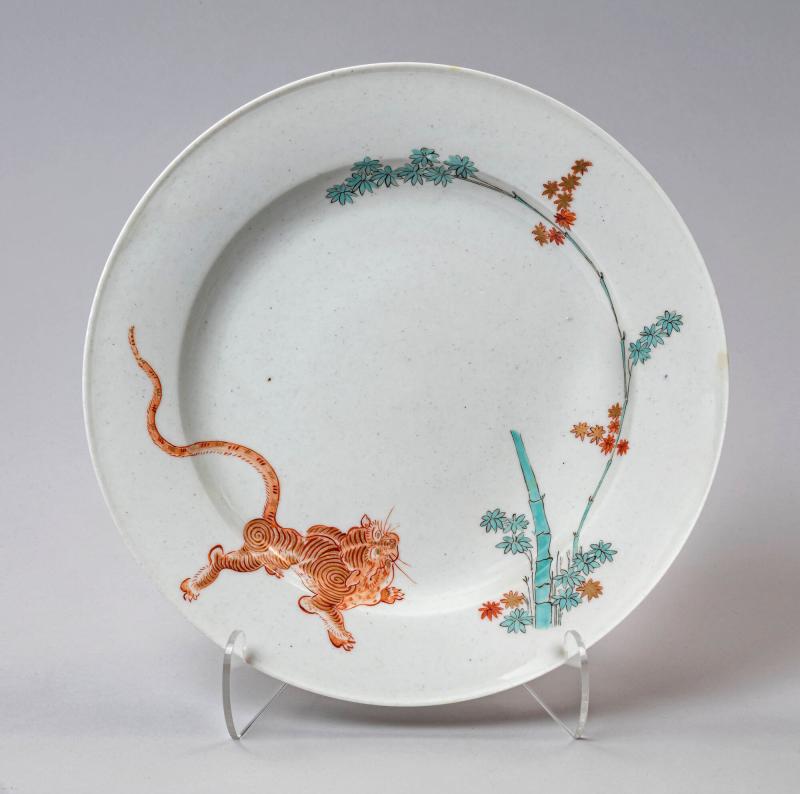
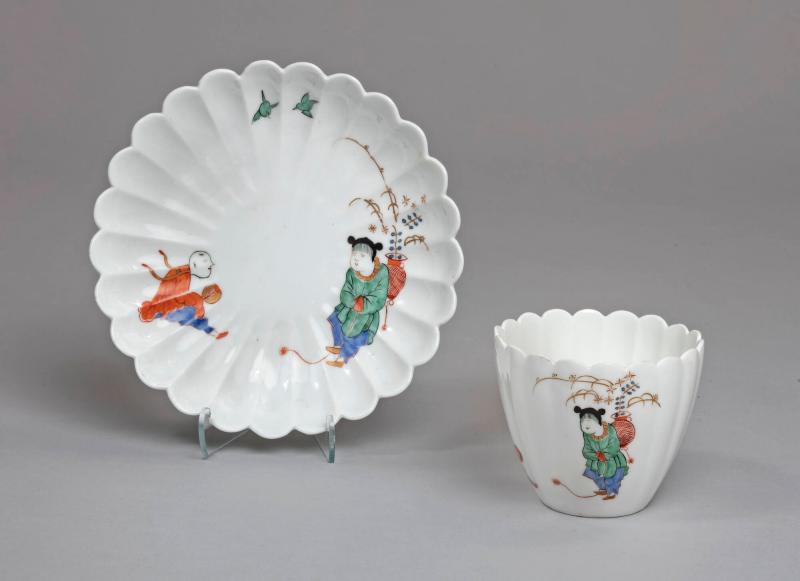
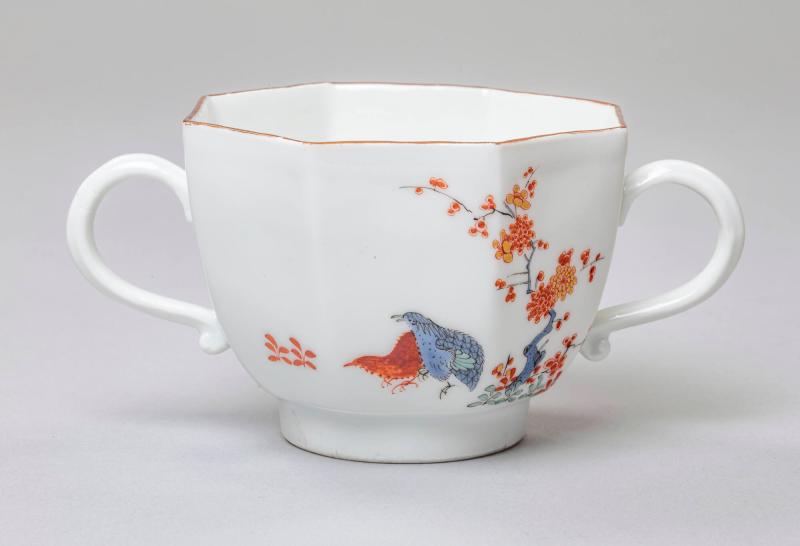
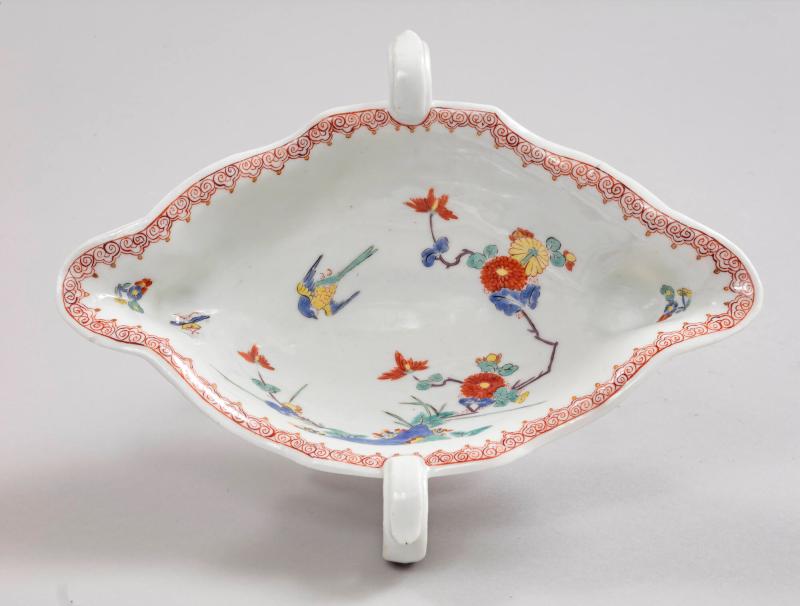
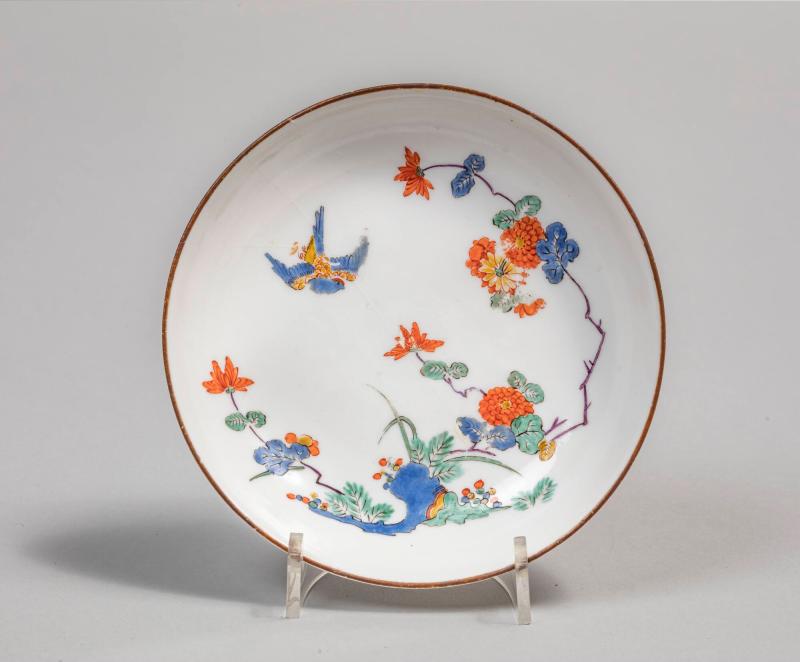
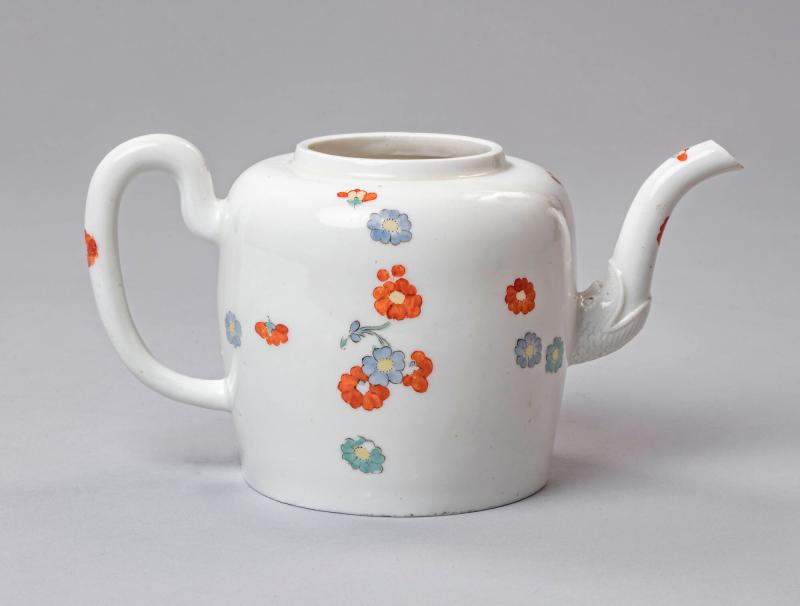
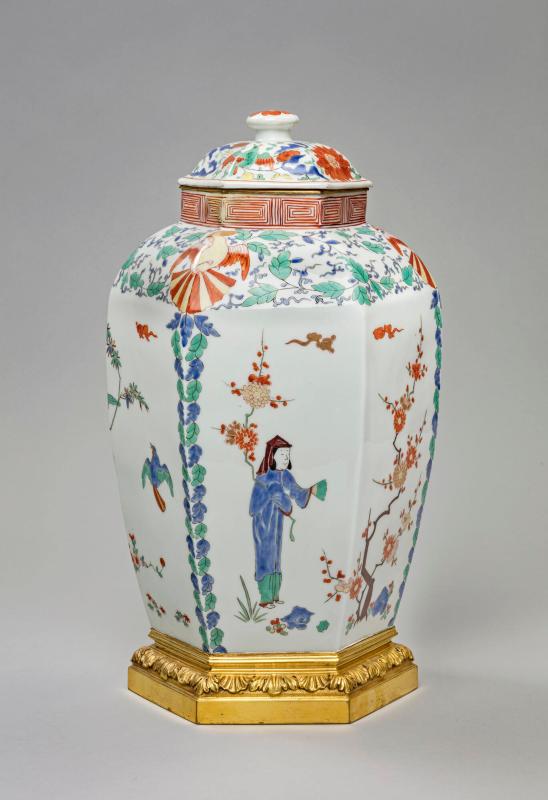
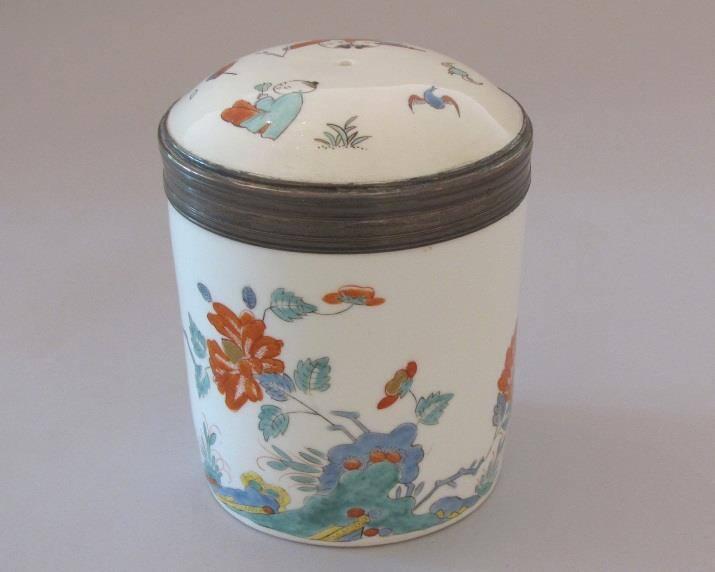
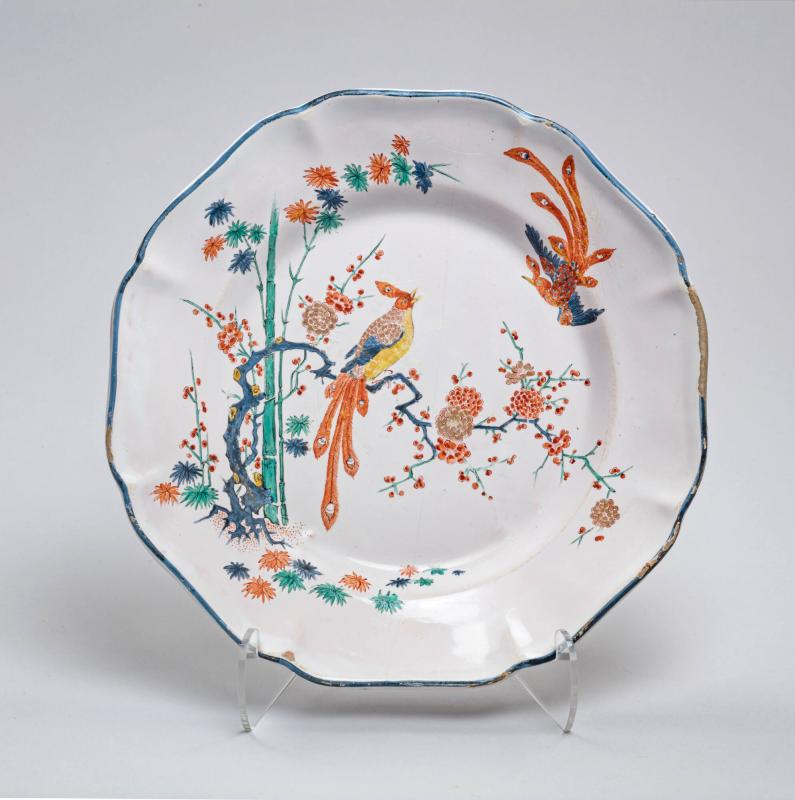
As the first factory in Europe capable of producing a hard-paste porcelain comparable to that of Japan and China, the Meissen manufactory was the first to develop the necessary tools to copy Kakiemon porcelain most faithfully. Around 1730, it produced such exact imitations that even specialists can be fooled. Such close copy was short-lived and resulted from the illicit activities of a French merchant.

1
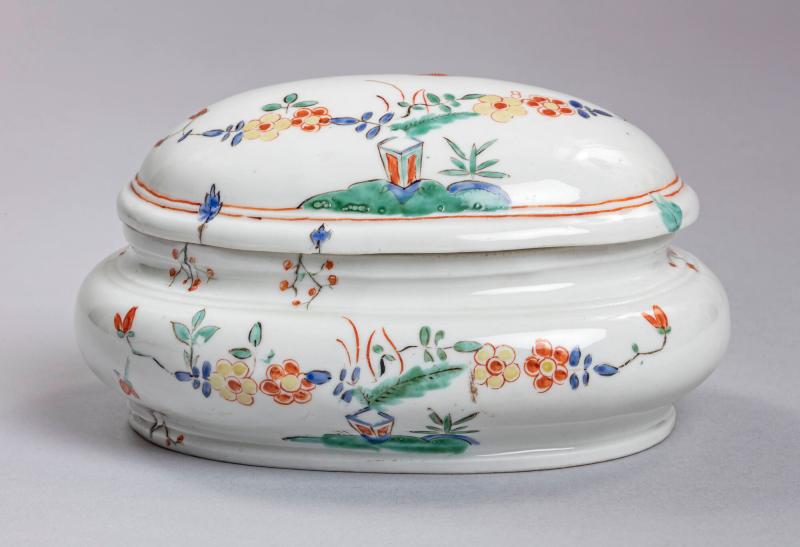
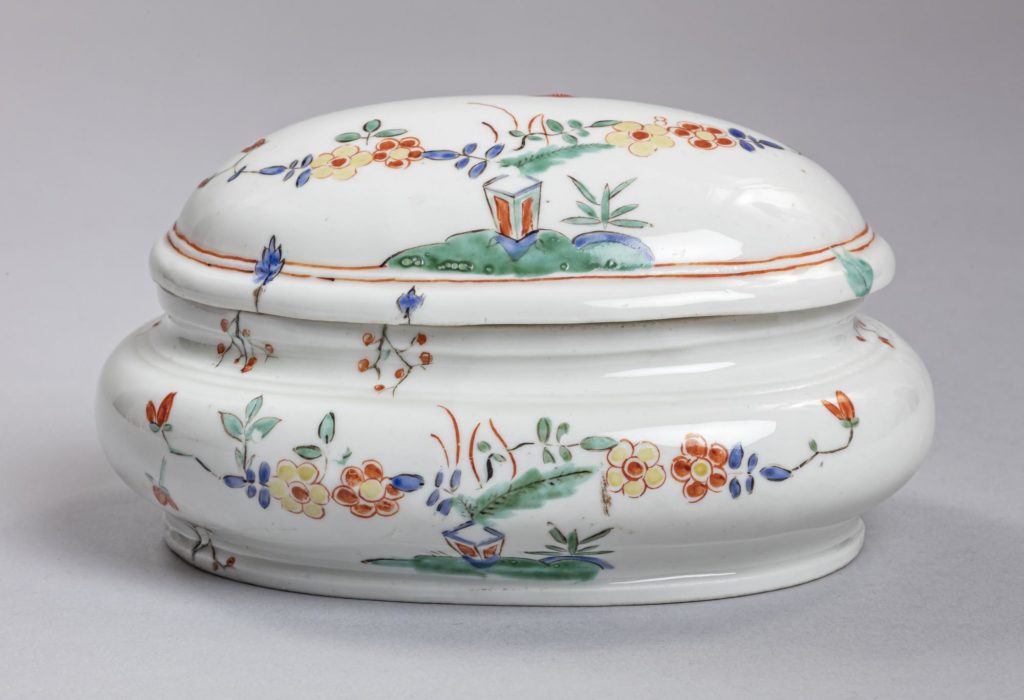
Oval Sugar Box with Japanese Kakiemon Design

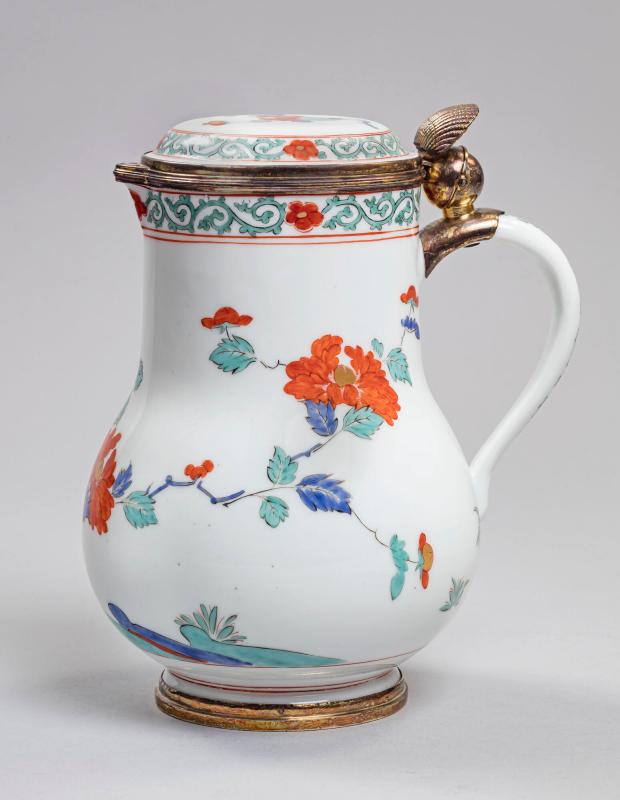
Oval sugar box with Japanese Kakiemon design, Germany, Meissen, c.1723-1724, Hard-paste porcelain with overglaze enamels. The Macdonald Collection

The Meissen porcelain manufactory was founded in 1710 by Augustus the Strong, ruler of Saxony and passionate collector of Asian porcelain. While Asian models were fundamental from the very beginning, it is only in the 1720s that the factory was able to imitate Kakiemon styles thanks to painter Johann Gregorius Höroldt who perfected enameling techniques and colours. Made c. 1723–24, this covered sugar box is an early example of Japanese-inspired decoration at Meissen and falls within the broad Chinoiserie repertoire developed during this period.
1
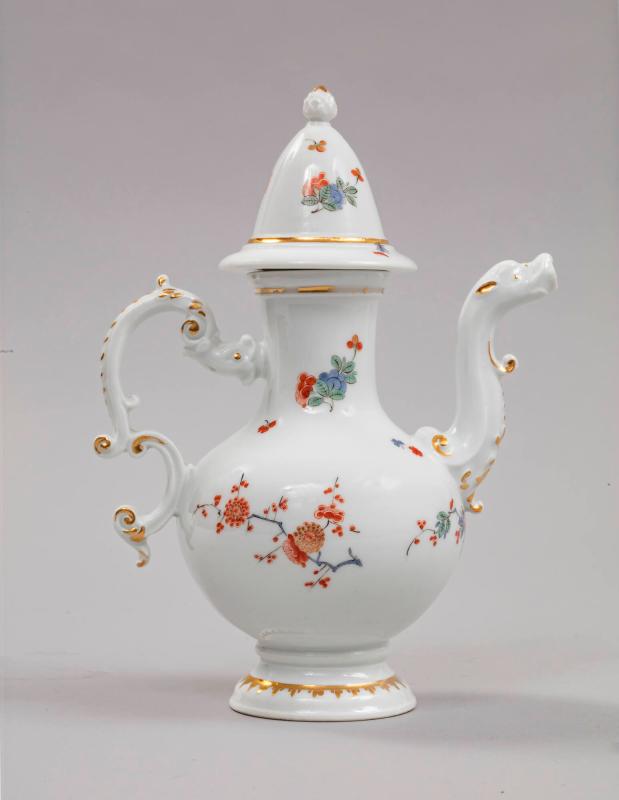
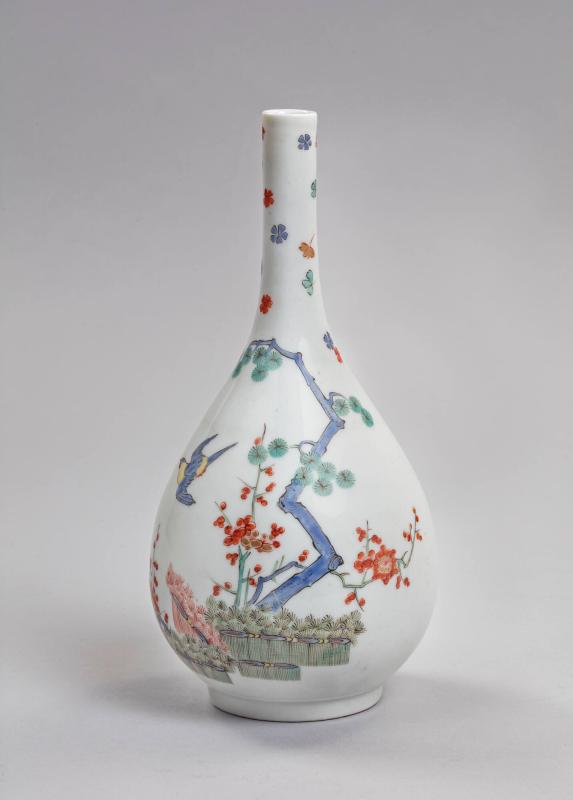
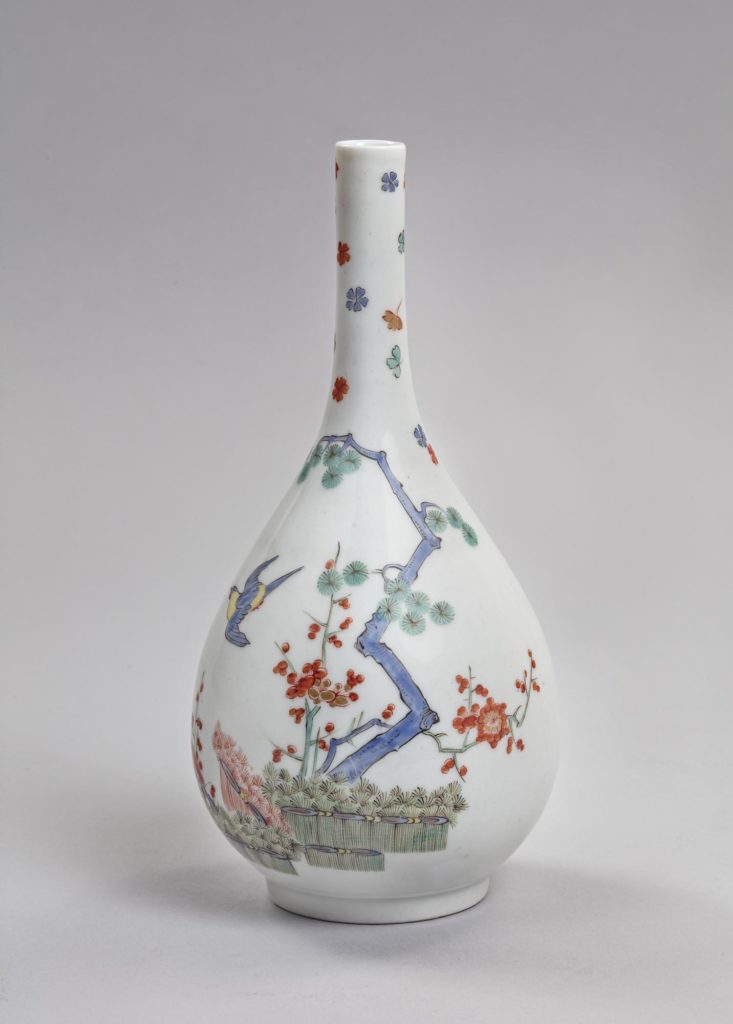
Sake bottle, Germany, Meissen

Sake bottle, Germany, Meissen, c. 1730. Hard-paste porcelain with overglaze enamels. The Macdonald Collection

The impulse to create direct copies of Japanese Kakiemon at Meissen arose from the dubious activities of French merchant Rodolphe Lemaire. In 1729, Lemaire secured a contract with the factory to produce reproductions of objects in Augustus’s collection. Made around 1730, this round sake bottle finds a direct Japanese counterpart, demonstrating how Meissen artisans captured the milky-white porcelain body and translucent enamels of Japanese Kakiemon. Lemaire intended to sell such objects as Japanese originals, that is, until Augustus the Strong discovered his scheme.

1Discover more about this sake bottle
0
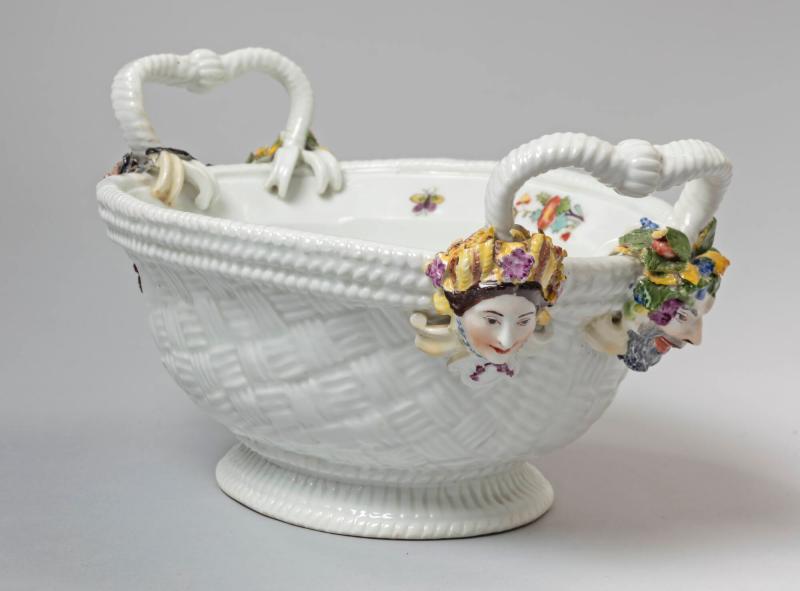
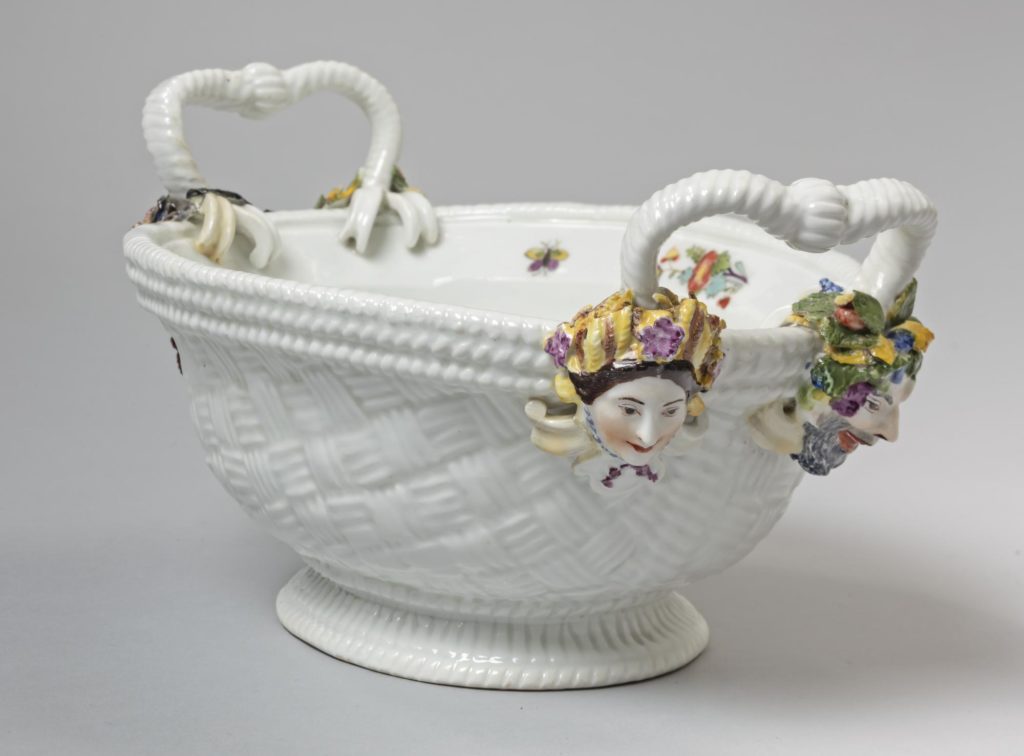
Double-Handled Fruit Basket with Male and Female Masks

Double-handled fruit basket with male and female masks, Germany, Meissen, c.1735-1740, Hard-paste porcelain with overglaze enamels. The Macdonald Collection

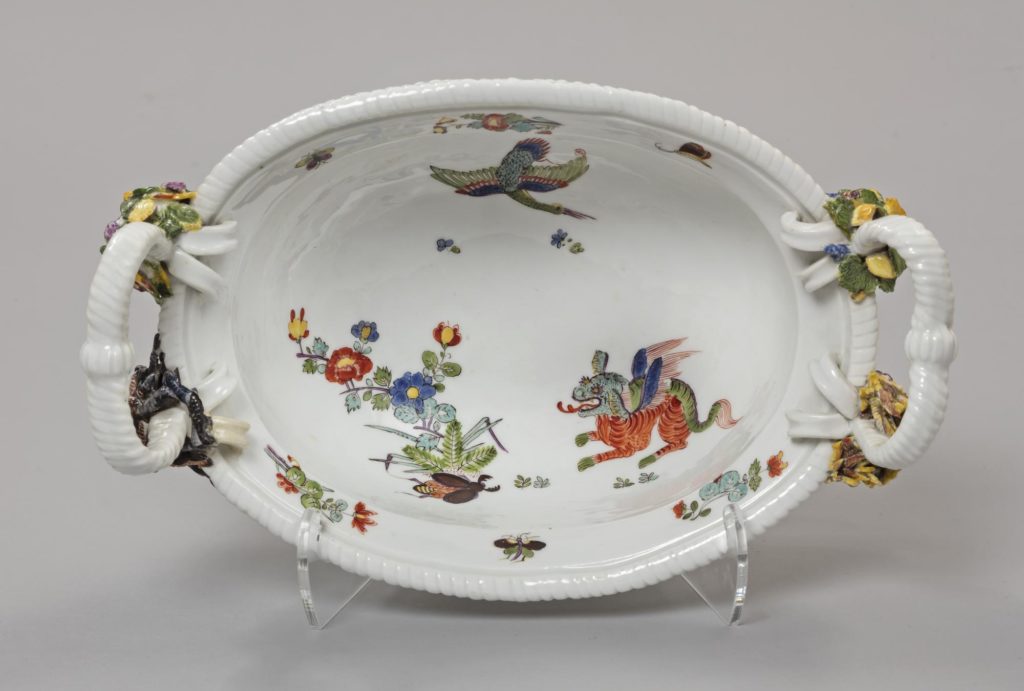
Interior of Double-Handled Fruit Basket with Male and Female Masks

Interior of double-handled fruit basket with male and female masks

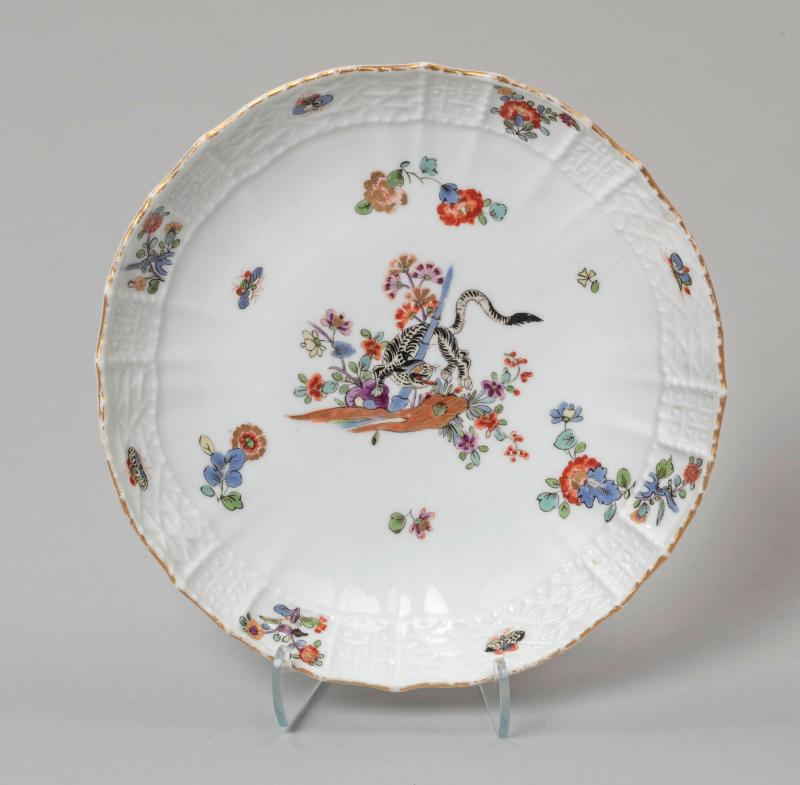
Once Lemaire’s illicit activities were unveiled, Meissen returned to a much freer interpretation of Kakiemon motifs, often applying decorative elements onto European forms. Such is the case with this fruit basket simulating a basket weave with masks representing the four seasons applied at the base of the handles. Its interior reveals a pattern featuring a fantastic winged animal known as the “Flying Dog,” very remotely tied to Japanese sources.

0
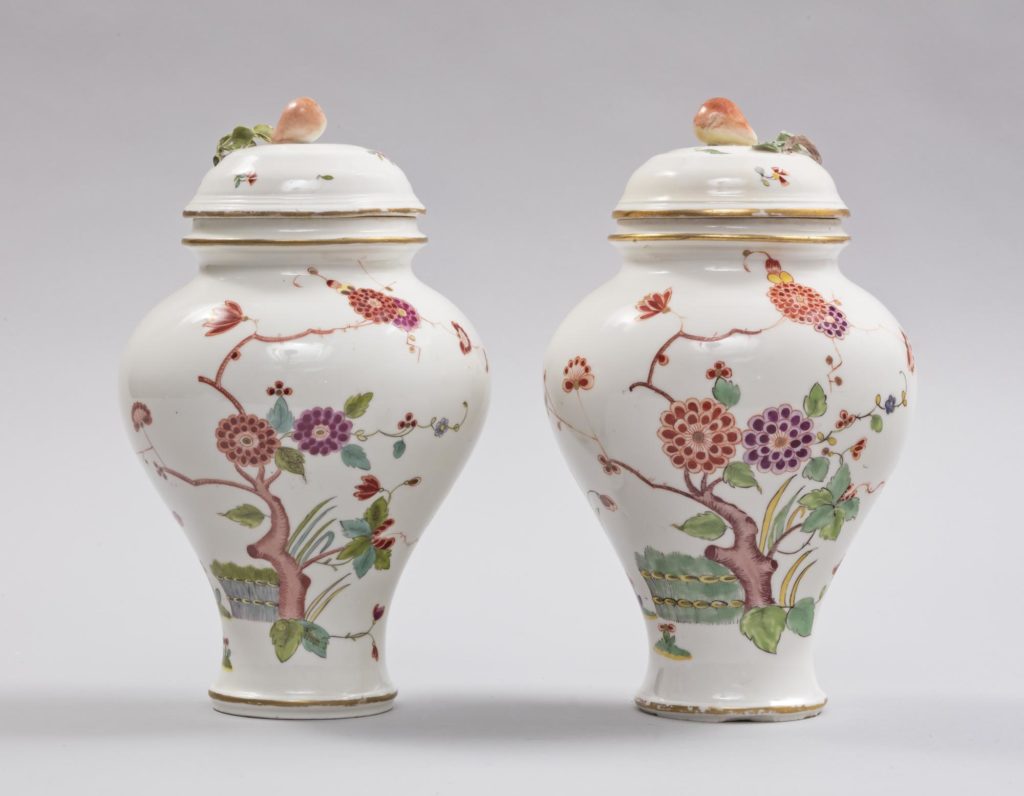
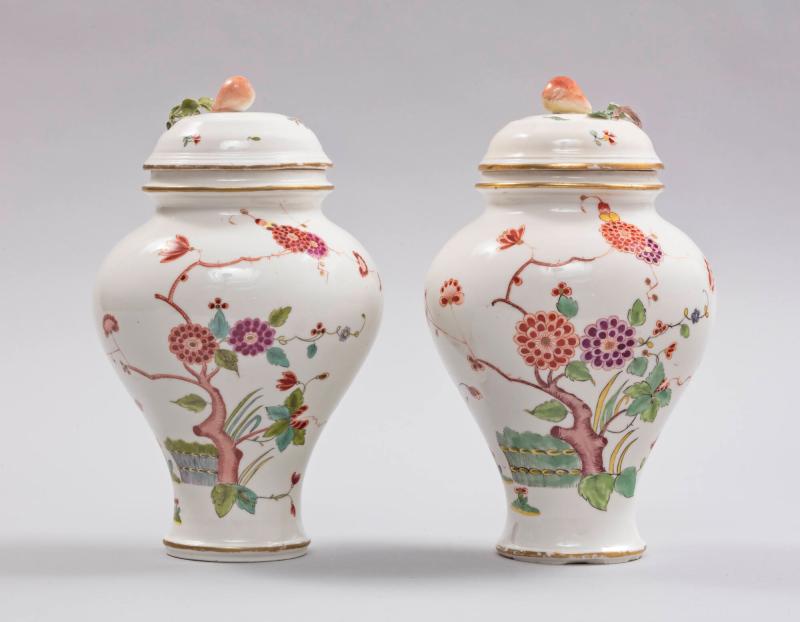
Pair of covered vases

Pair of covered vases, Germany, Frankenthal, c.1756-1759, Hard-paste porcelain with overglaze enamels. The Macdonald Collection

Taking the lead from Meissen, creative interpretations occurred at other porcelain manufactories founded in Germany. This pair of vases made at Frankenthal in the late 1750s features more generalized flower painting of Eastern inspiration. At this point, however, the taste for Kakiemon had declined in Continental Europe in favour of other styles.