Porcelain Roads
The pieces assembled in this collection demonstrate the importance of porcelain as a trade commodity in the 17th and 18th centuries. Porcelain circulated around the world along with other luxury goods such as spices, tea, silk, and lacquerware. Its journey testifies to a rich network of exchange that linked various parts of the world. In the 17th-century, the Dutch East India Company (VOC) and Chinese merchants were the major actors in trade with Japan, disseminating its porcelain throughout Europe, China, the Middle East, and South East Asia.
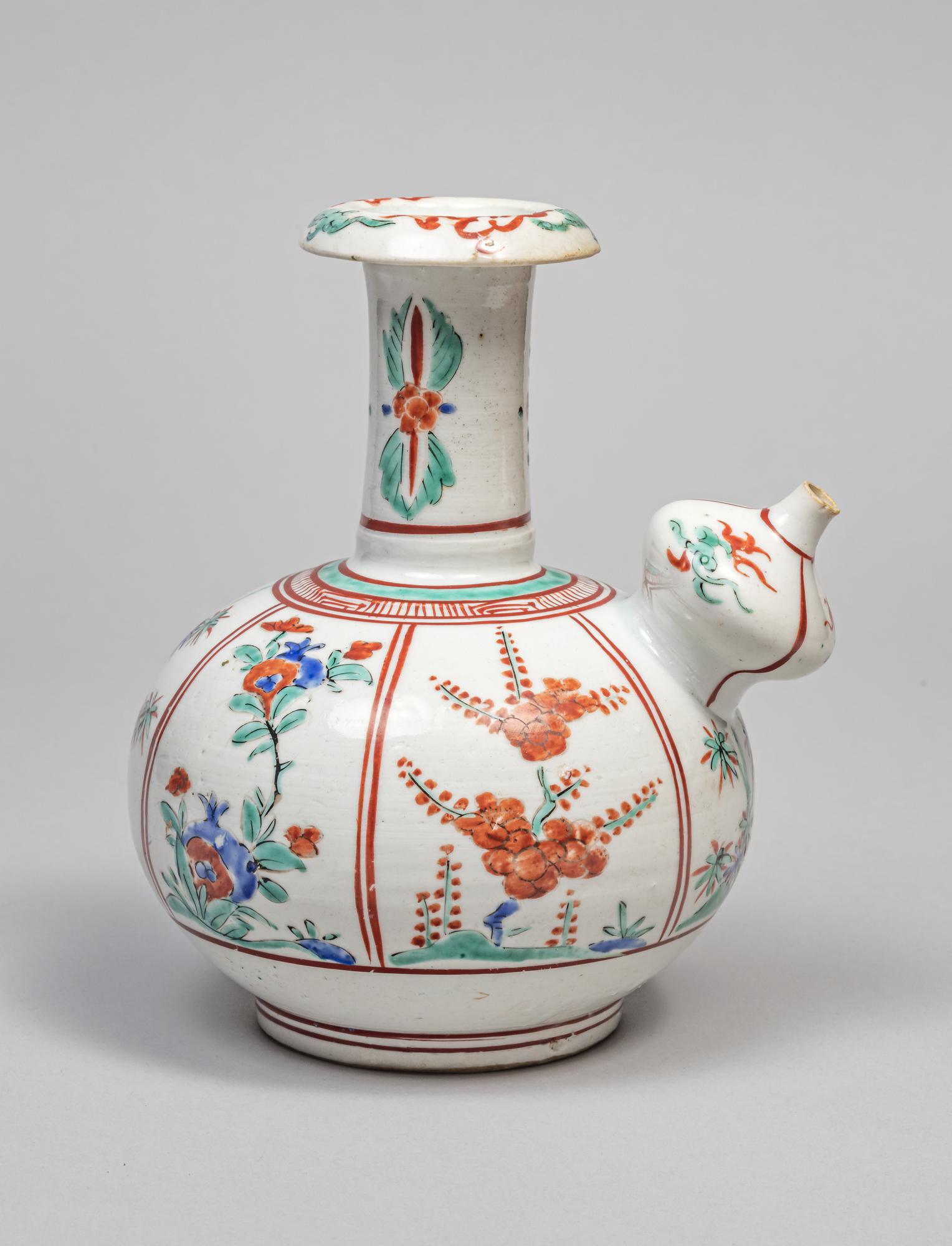
Kendi, Japan, Hizen, 1675–1685, Porcelain with overglaze enamels, The Macdonald Collection
Dutch and Chinese Merchants in Japan
For the greater part of the Edo period, Japan operated a policy of strict enclosure. From 1641 to 1854, the Dutch were the only European merchants granted direct access to Japan, in addition to Chinese traders. Dutch merchants were confined to a settlement (or Factory) established in 1619 on the artificial island of Deshima in the Nagasaki Harbour (located near Arita in Hizen Province). Chinese traders enjoyed greater freedom, and their station was located on the shore of the city’s outskirts. This woodblock depicts the fan-shaped island of Deshima, with foreign merchants illustrated at the bottom left.
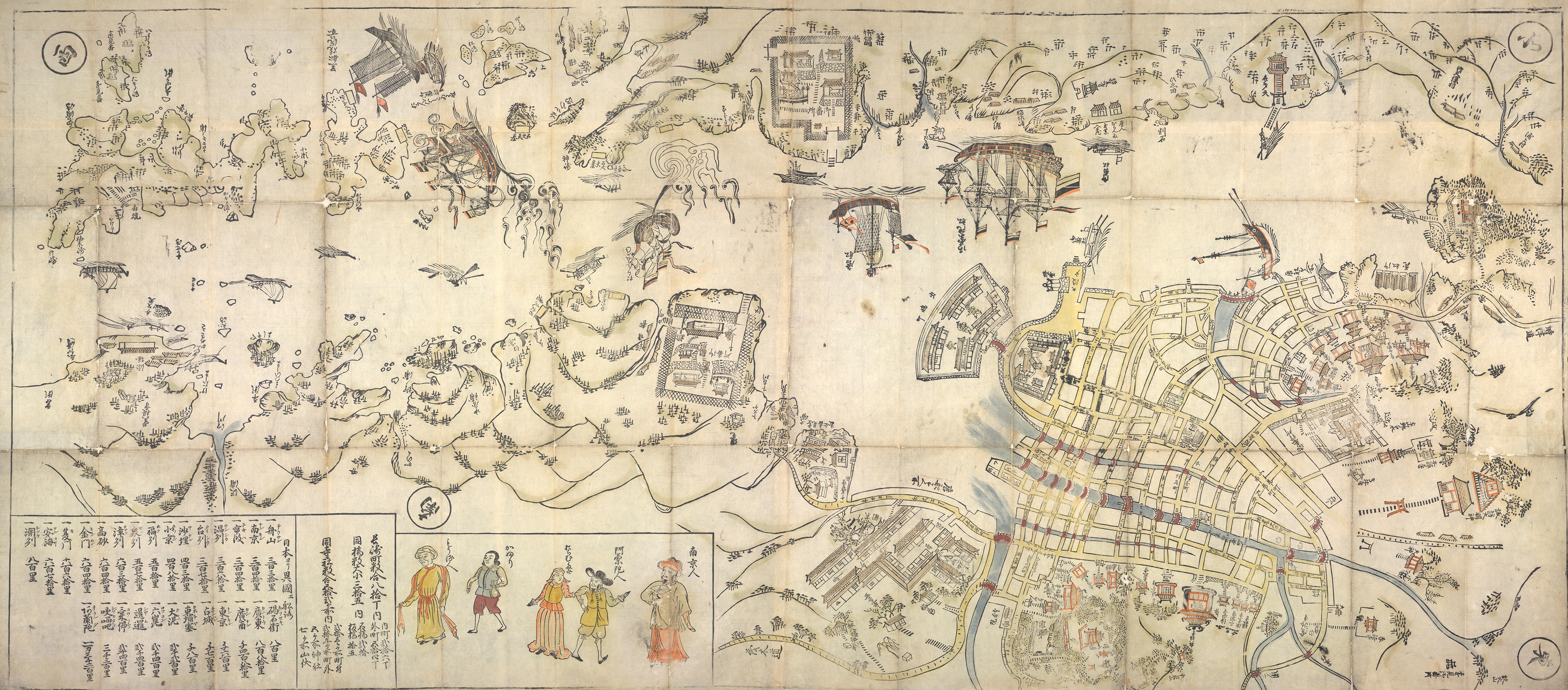
Map of Nagasaki showing the fan-shaped island of Deshima, Japan, c. 1680, Woodblock print. British Library.
Credits
The Trade in Chinese Porcelain
China dominated the porcelain export market for centuries. Since the 12th century, Chinese porcelain was imported into Japan, but pieces were rare and expensive. In the 16th century, Chinese porcelain started to be integrated more widely in the Japanese tea ceremony, and in the 1620s, the Jingdezhen kilns developed products responding to the aesthetic needs of the ritual, such as naturalistically shaped wares decorated with underglaze blue. More ornate and colourful enamelled wares were also made for the Japanese market in the 1630s and ’40s.
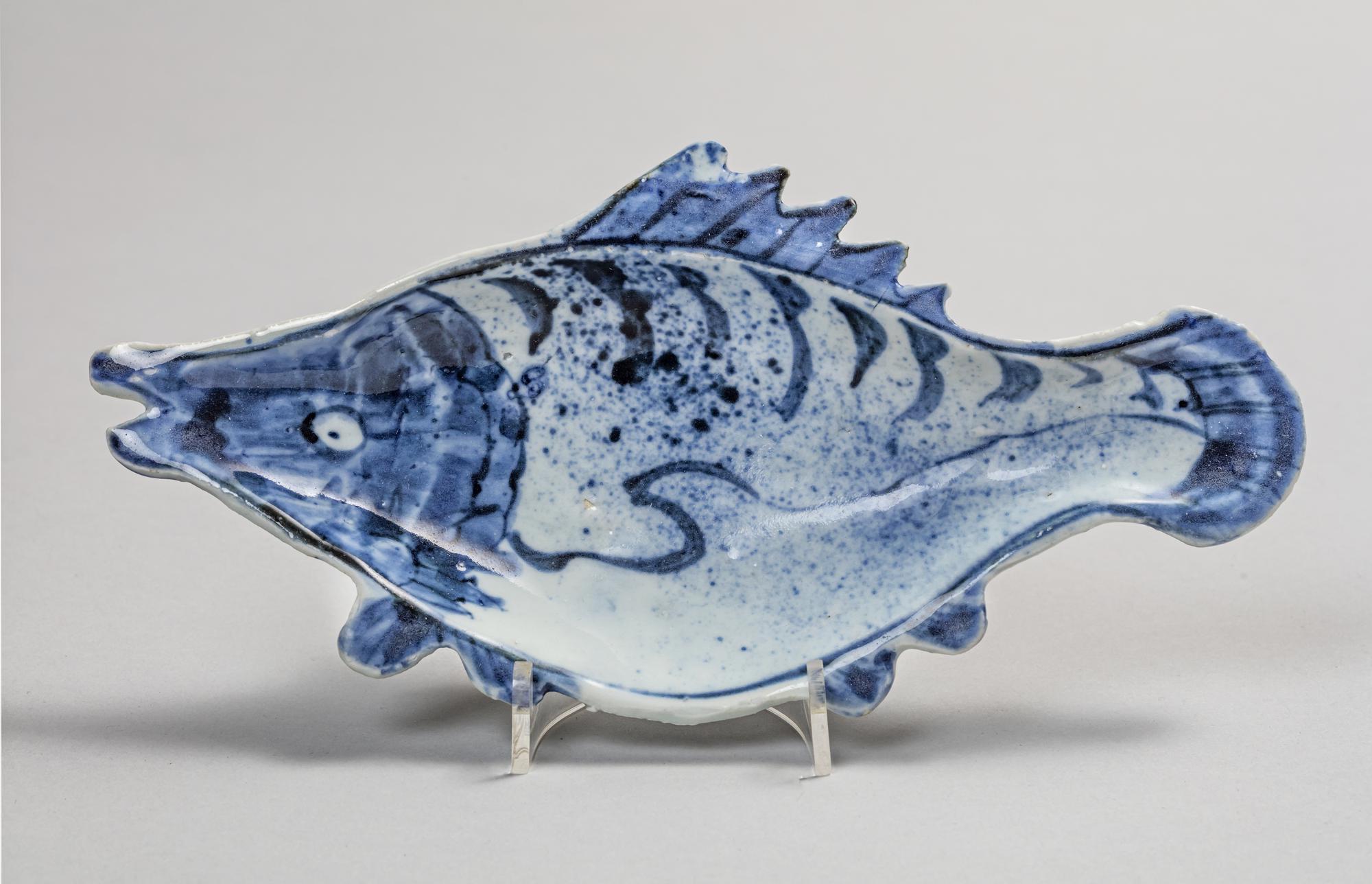
Dish in the shape of a fish
China, Jingdezhen, c. 1621–27 (Tianqi period)
Porcelain with underglaze cobalt blue
The Macdonald Collection
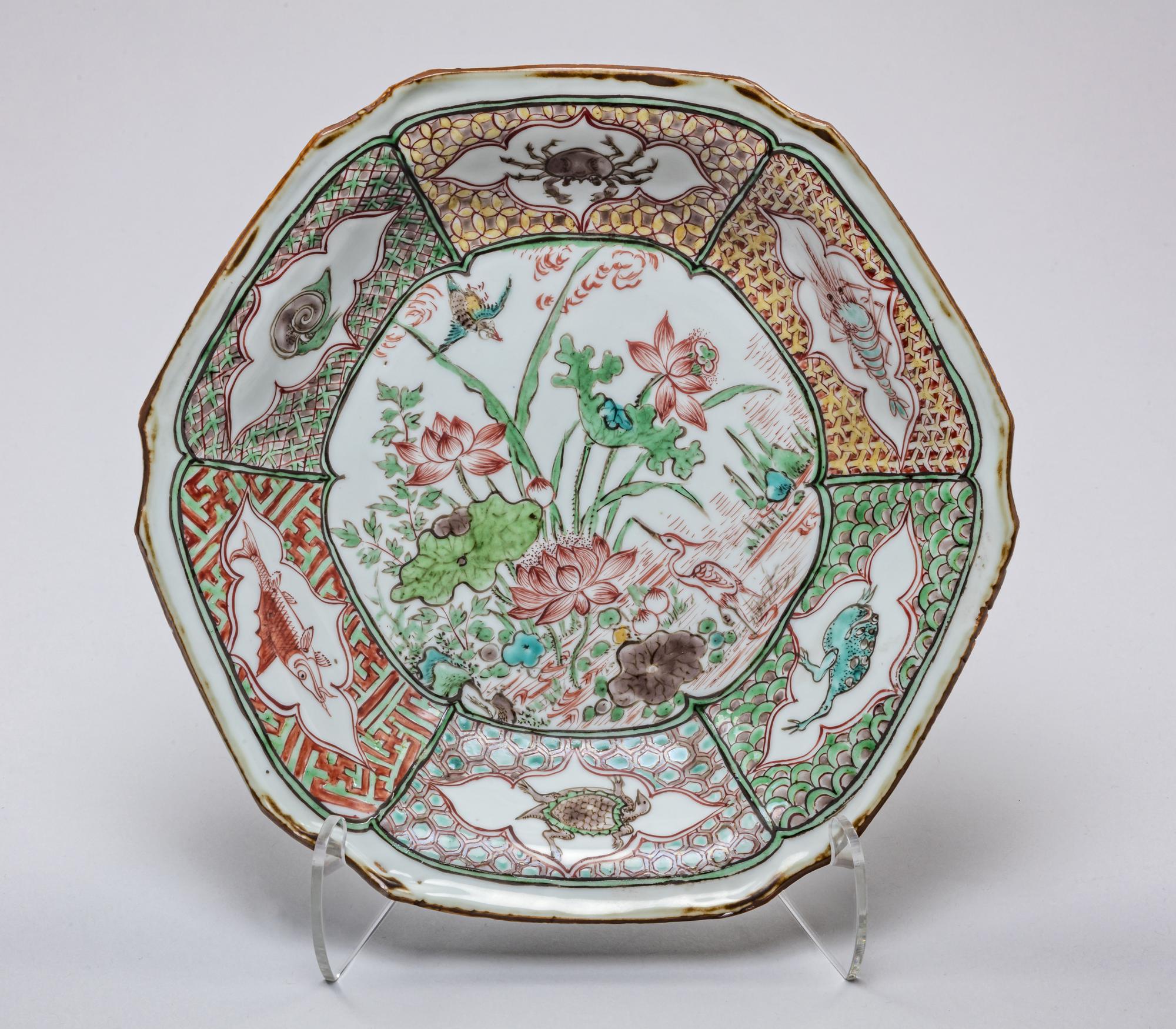
Dish with lotus pond design, China, Jingdezhen, 1630–45. Porcelain with overglaze enamels. The Macdonald Collection
Dutch Merchants in Japan
Acquiring porcelain from China became increasingly difficult after the fall of the Ming Dynasty in 1644. This period of civil unrest impeded commerce and was followed by the destruction of kilns at Jingdezhen in 1674–75. This moment of decline greatly benefitted Japan’s own porcelain industry, and in 1650, the Dutch East India Company turned to Japan as a source for porcelain. This official trade peaked between 1660 and 1680, and ceased in 1683. From 1690, private trade by Dutch and Chinese merchants dominated. This painting shows merchants at the Dutch Factory at Deshima.
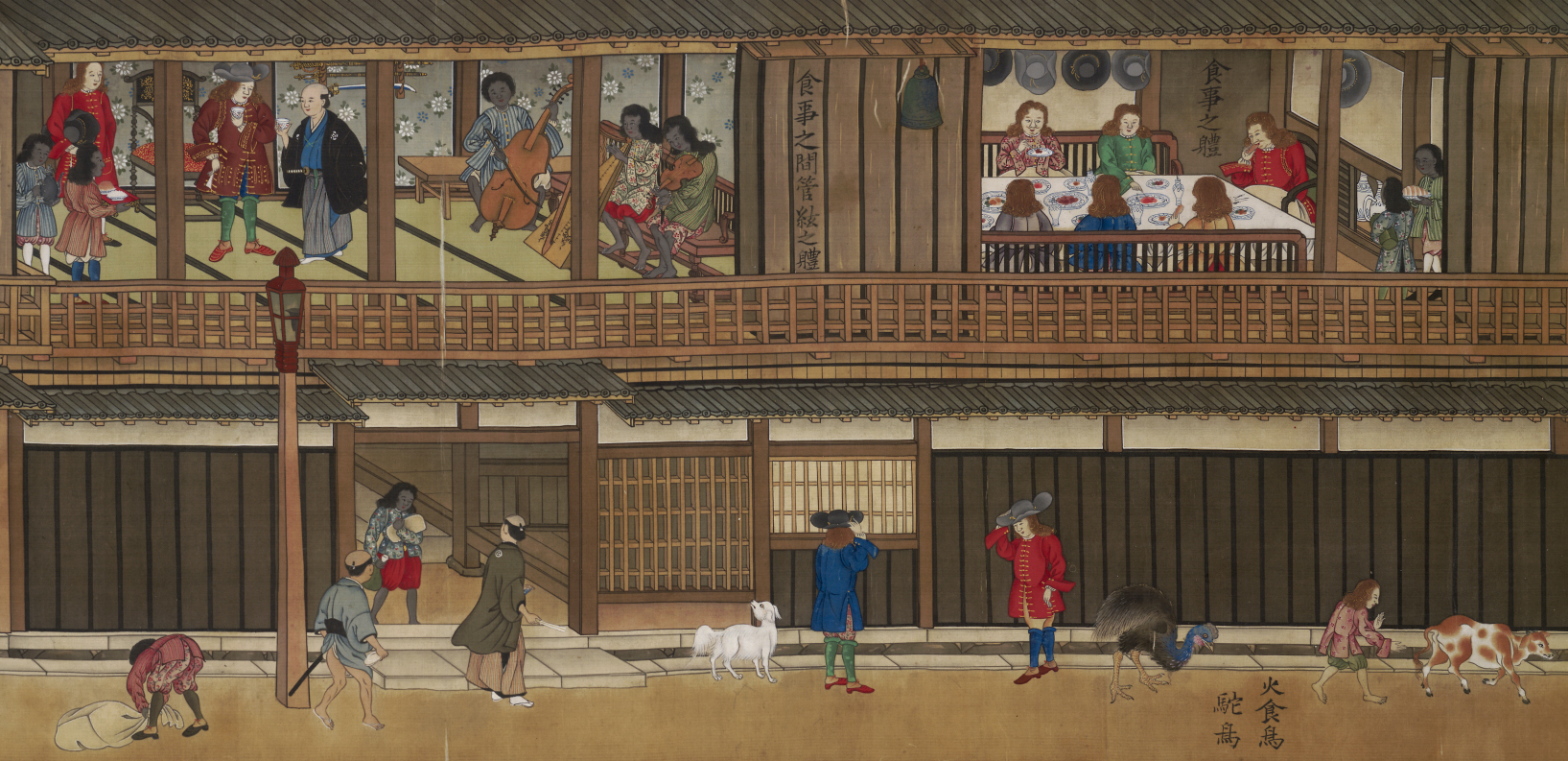
Scenes of life at the Dutch Factory at Deshima. The domestic servants and musicians depicted in these scenes were most probably enslaved individuals from Indonesia, reminding us that the Dutch carried out a slave trade in Asia.
Japan, Nagasaki School, late 18th century, Painted handscroll, silk. British Museum.
Credits
What Did the Dutch Buy?
The VOC imported porcelain into Europe but also traded in South East Asia and the Middle East. They sought substitutes for the types of objects previously obtained in China, including Kraak-style wares, which Arita potters rendered in blue and white as well as coloured enamels. They also ordered objects in European shapes, as exemplified by the ewer and the mug; these orders were specified through models made of wood or earthenware. From around 1670, Kakiemon-style porcelain dominated porcelain trade.
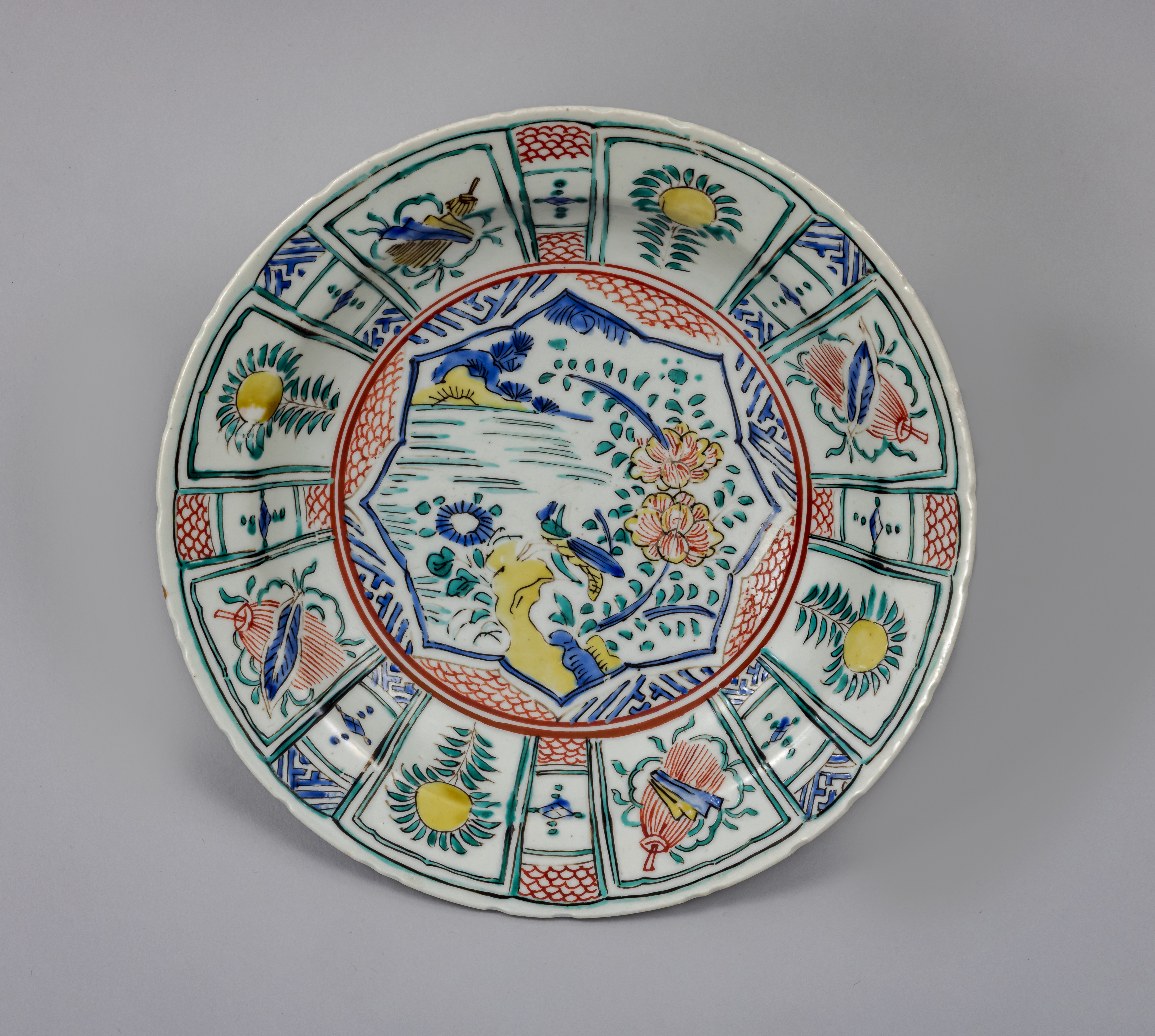
Dish, Japan, Hizen, c.1660-1670. Porcelain with overglaze cobalt enamels. The Macdonald Collection.
Ewer and Mug, Japan, Hizen, c.1670-1690, Porcelain with overglaze enamels. The Macdonald Collection
Chinese Merchants in Japan
During this period, China was the only other nation with access to Japan. Chinese merchants—here depicted buying porcelain from Japanese traders in Nagasaki—contributed to the dissemination of Japanese wares through China’s well-established trade network. In the late 17th century, they took Japanese wares to other destinations in Asia where other European merchants were active – including the French, English and Scandinavian. Considerable amounts of Japanese porcelain reached Europe in this manner.
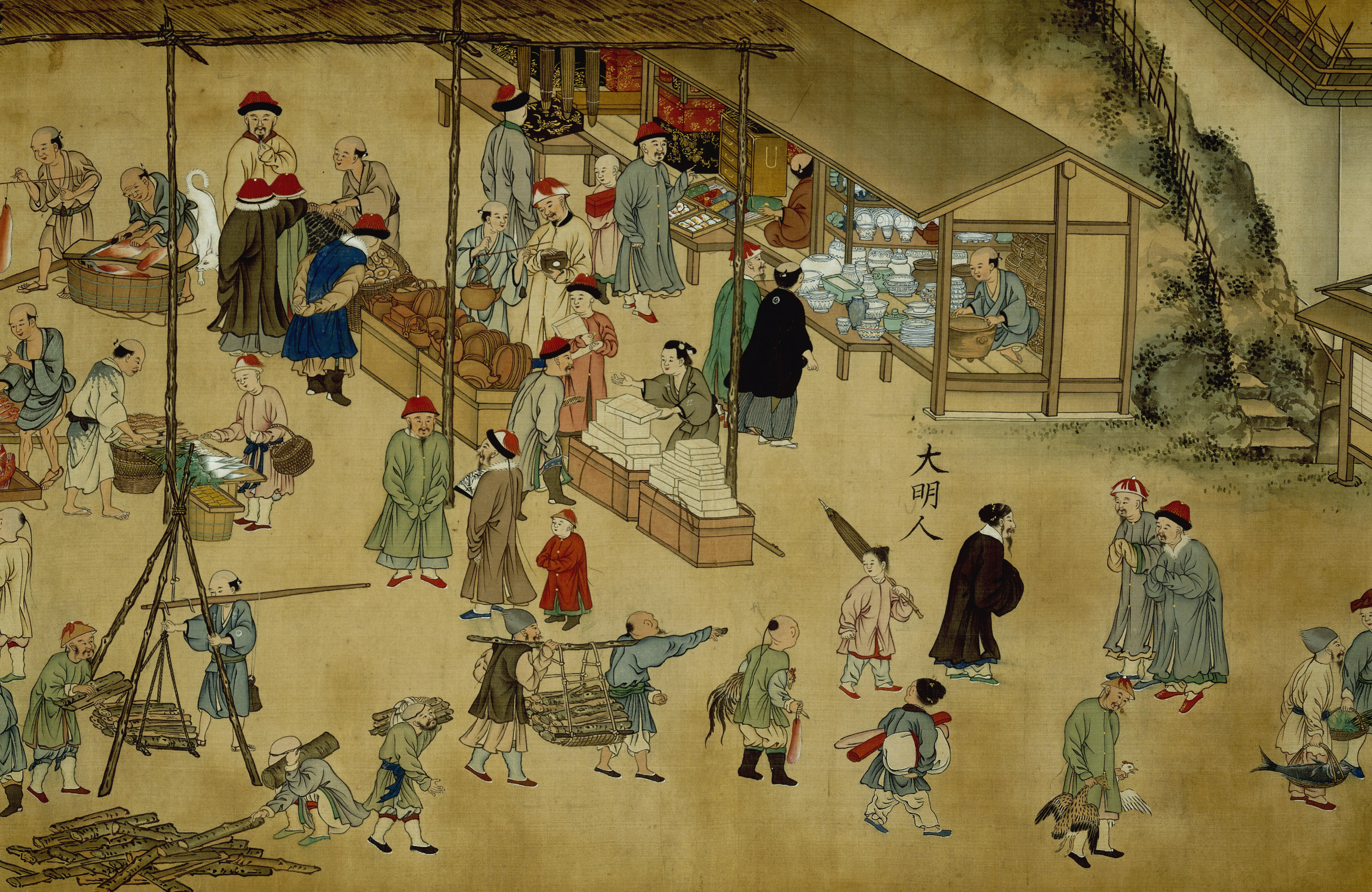
Scenes of life at the Chinese Settlement at Nagasaki, Japan, Nagasaki School, late 18th century, Painted handscroll, silk. British Museum.
Credits
What Did the Chinese Buy?
In addition to buying wares with European consumers in mind, Chinese merchants acquired pieces specifically for a South East Asian market. This kendi, a ritual drinking vessel, is a common example. In addition, the origin of many Kakiemon motifs in Chinese art further demonstrates the importance of the Chinese market in Arita’s development of its most popular export product. For instance, objects featuring the story of Shiba Onko, derived from a renowned anecdote about Chinese statesman Sima Guang, would have appealed to Chinese consumers.
Kendi, Japan, Hizen, 1675–1685, Porcelain with overglaze enamels, The Macdonald Collection
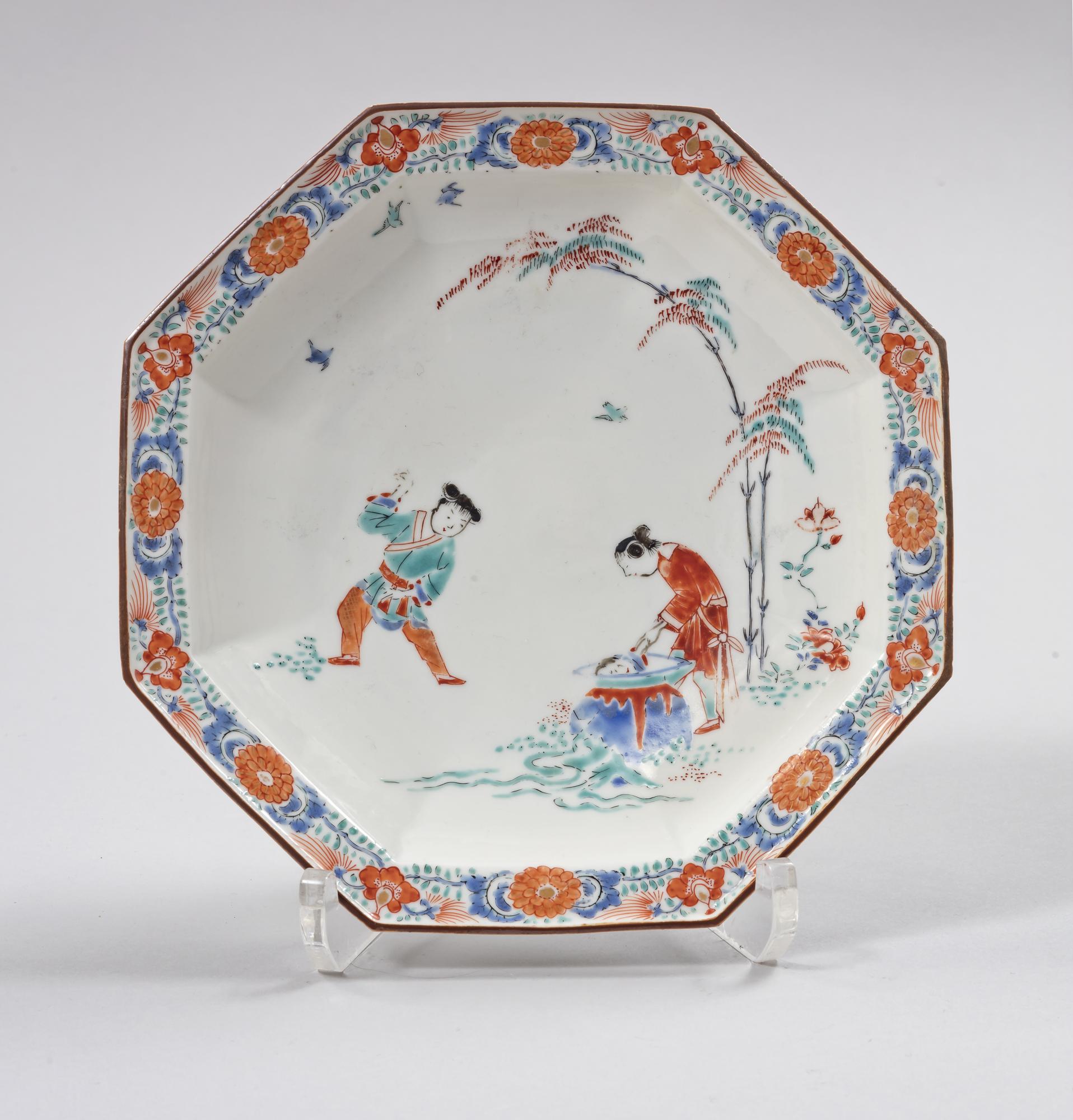
Octagonal dish with Shiba Onko, Hizen, Japan, c.1670-1690, Porcelain with overglaze enamels. The Macdonald Collection
Chinese Porcelain Conquers
Porcelain production resumed in Jingdezhen in the early 1680s. Shortly after, China reasserted itself on the world stage. This had a great impact on Japan’s porcelain industry and export activities. Dissatisfied by the prices and taxes that the Tokugawa shogunate imposed on porcelain, the Dutch East India Company ceased official orders in 1683. The VOC once more turned to China as a source of porcelain. While merchants from China continued buying porcelain in Japan, its potters were also copying the most fashionable wares, including Japanese Kakiemon- and Imari-style porcelain for which European demand endured throughout the 18th century.
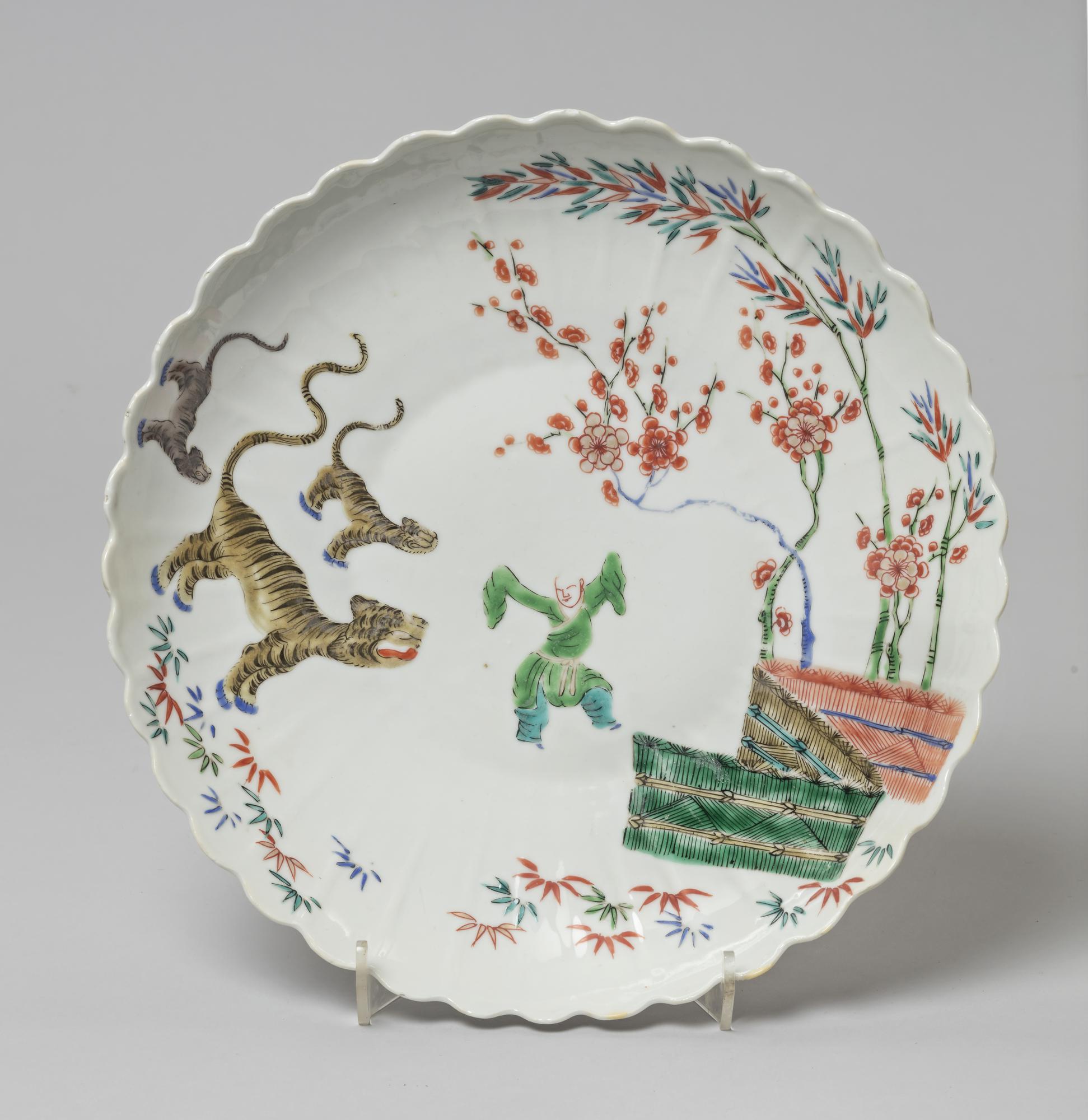
Dish with tigers, Japan, Hizen, c.1700-1720, Porcelain with overglaze enamels. The Macdonald Collection
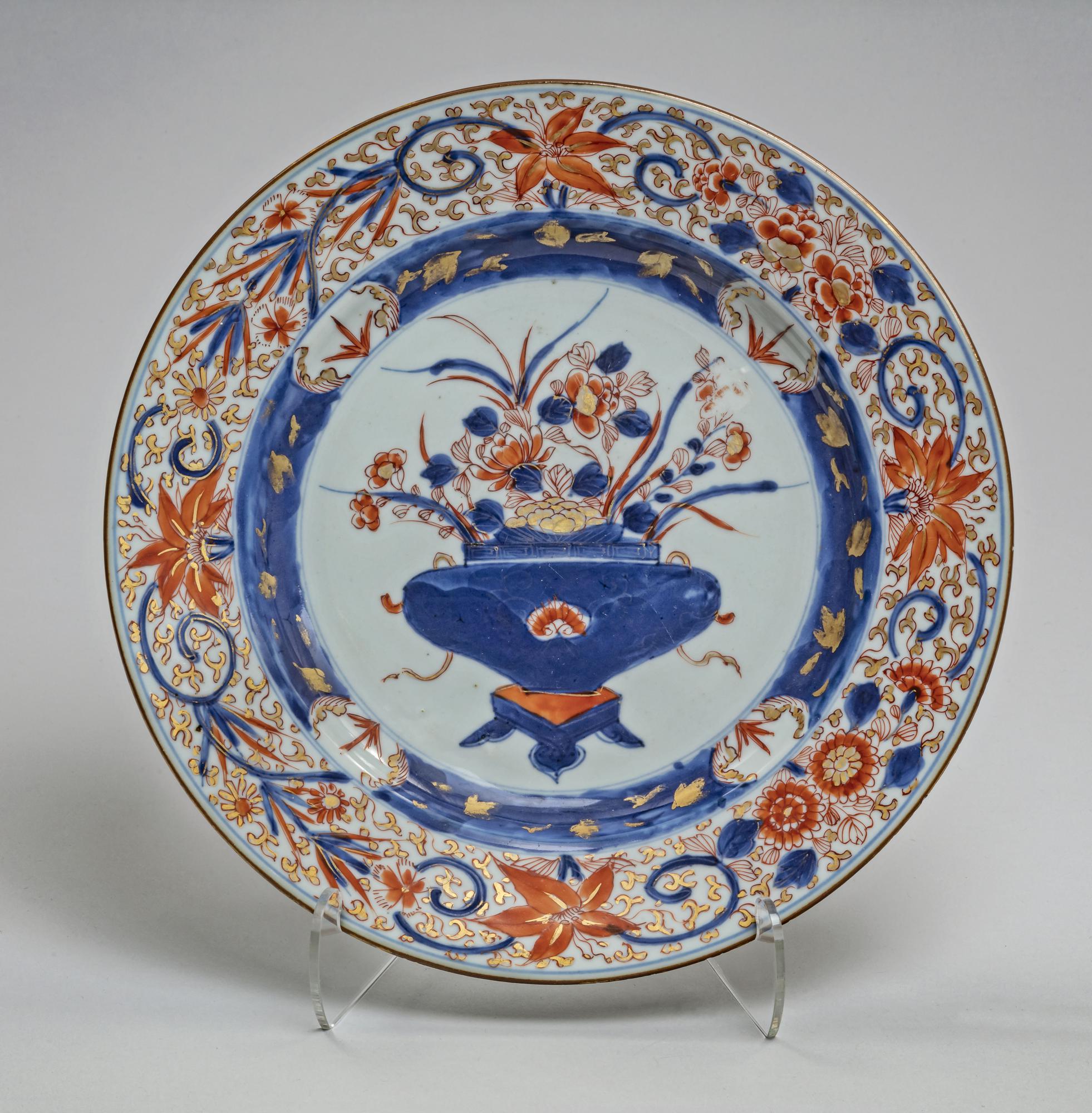
Dish in the Japanese Imari- Imitation, China, Qing Dynasty, Jiaqing Period (1796-1821), c.1800, Hard-paste porcelain with underglaze blue, overglaze enamels, gilding. The Macdonald Collection
Travelling through Japan
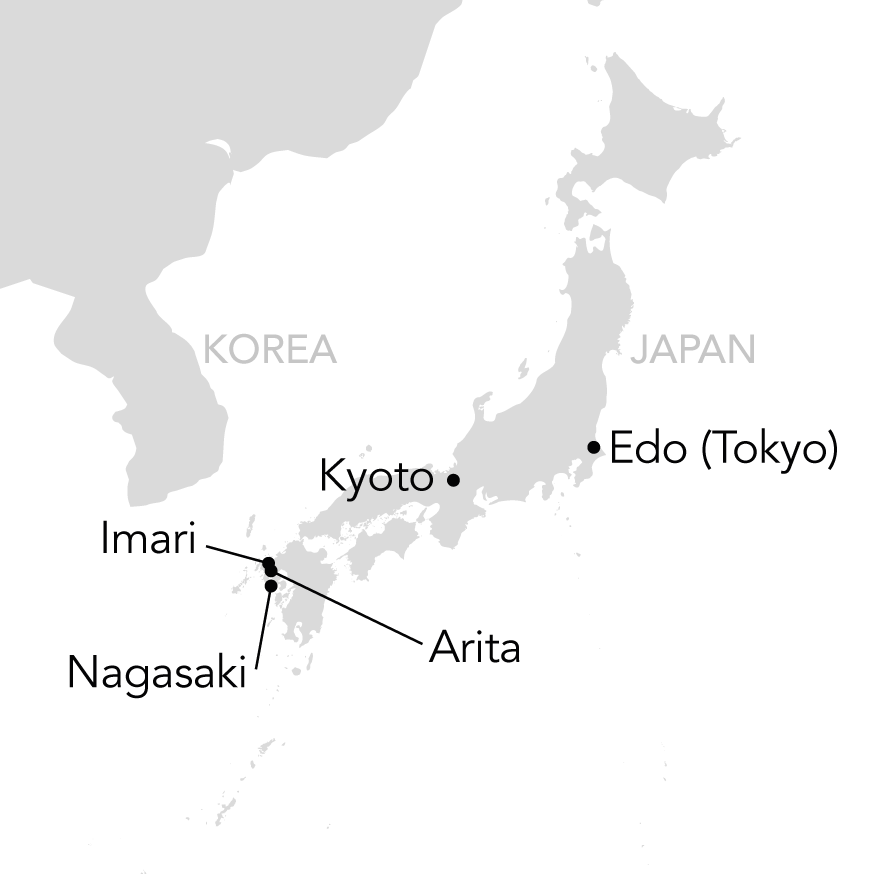
How did porcelain circulate within Japan? The porcelain made in Arita and its surroundings were transported to the port of Imari. In Imari, Japanese traders would pack the porcelain and transport it by sea to the port of Nagasaki. Porcelain also circulated domestically within Japan, and the preferred route was by sea. While originally developed as an export commodity, Kakiemon porcelain was consumed in Japan, albeit on a small scale, as archeological finds indicate. Sake bottles, incense burners, and figures are among the shapes that appealed to Japanese consumers.
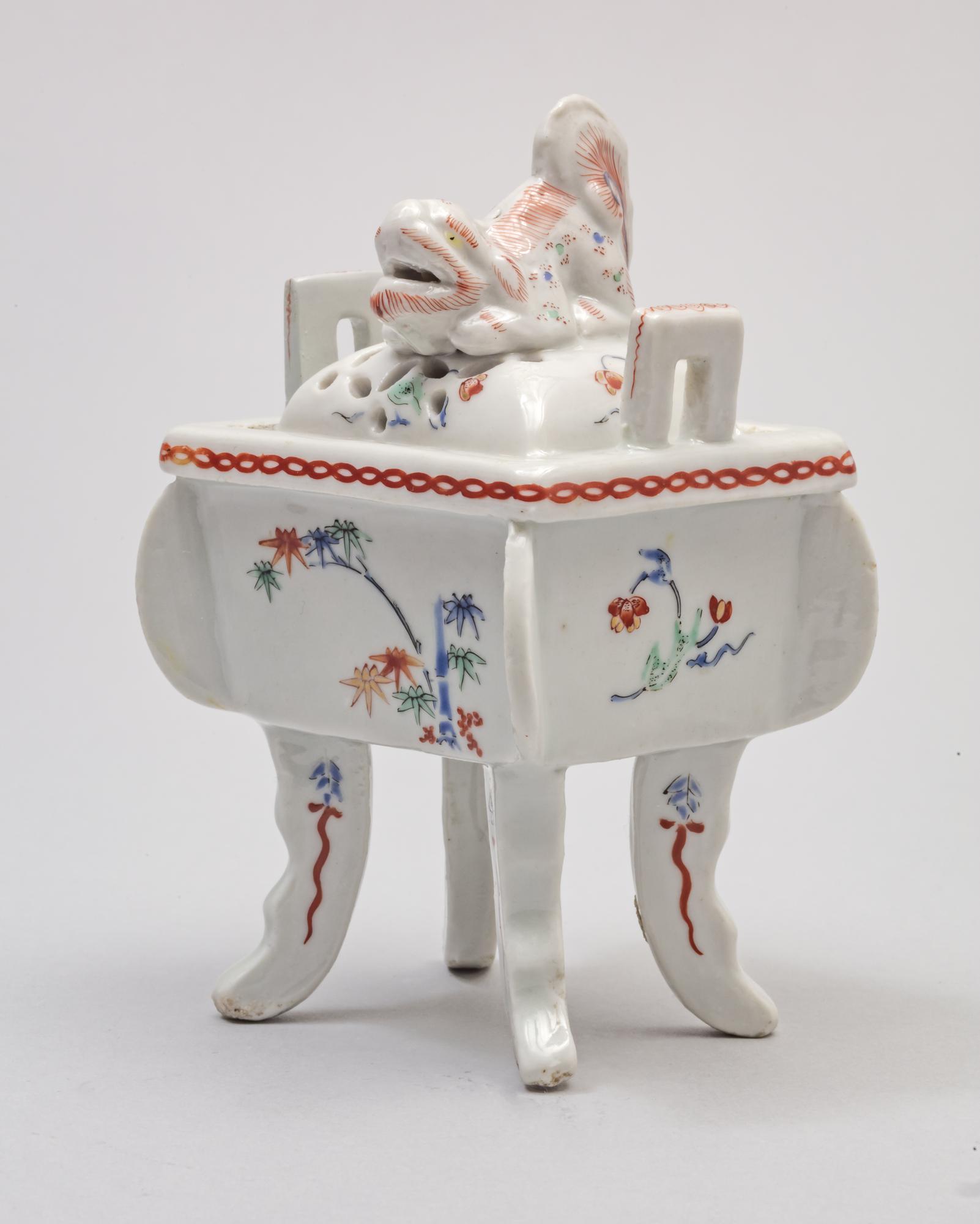
Koro (incense burner), Japan, Hizen, c.1700-1720, Porcelain with overglaze enamels. The Macdonald Collection