The Kakiemon Style in France

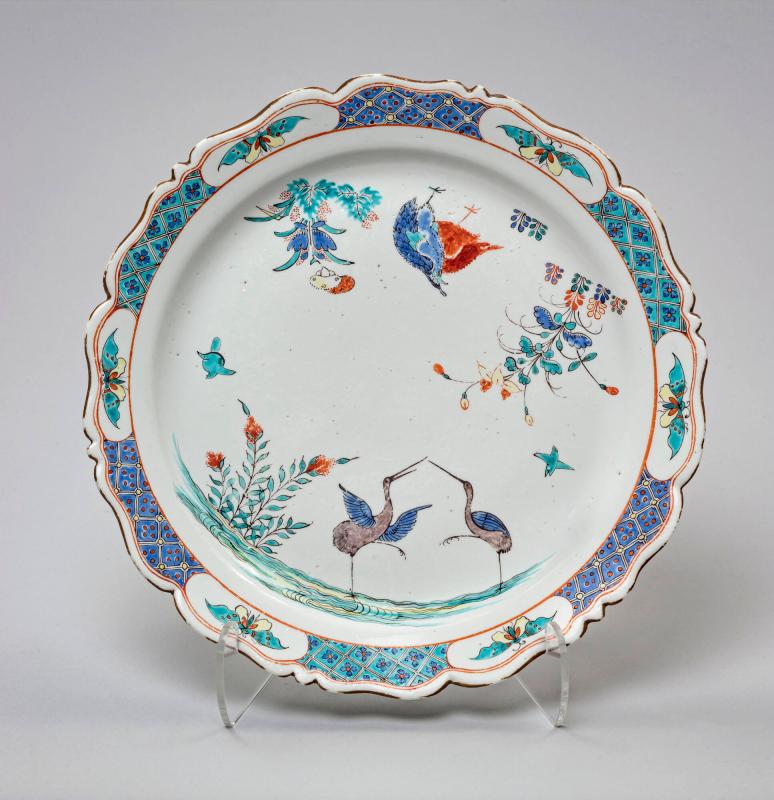
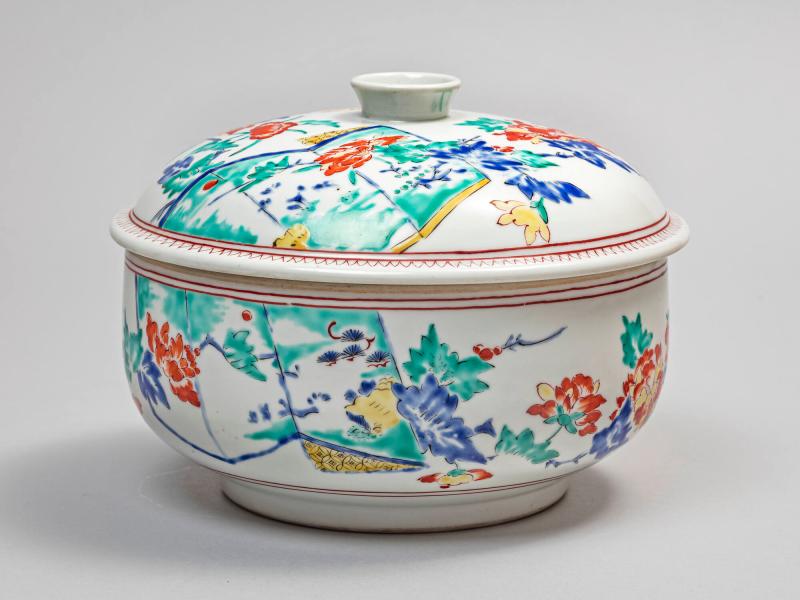
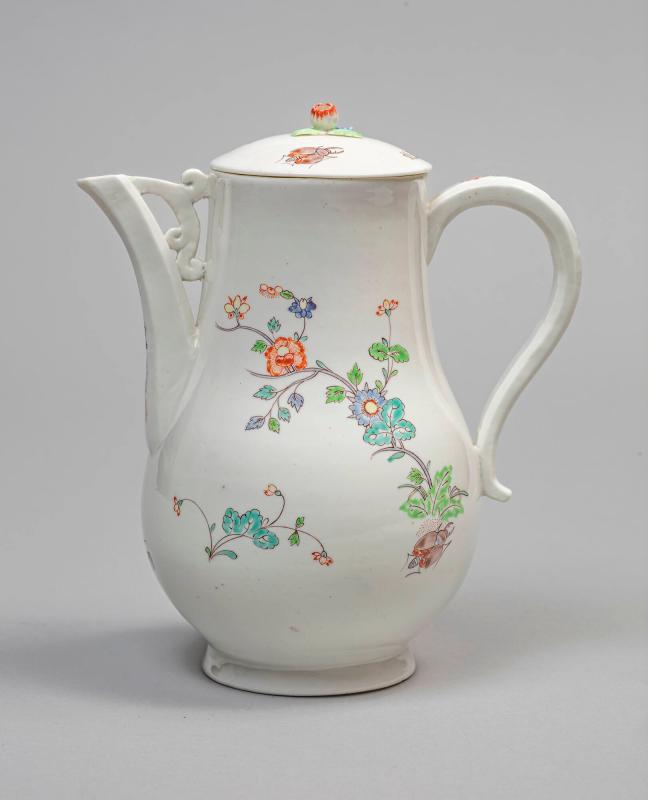
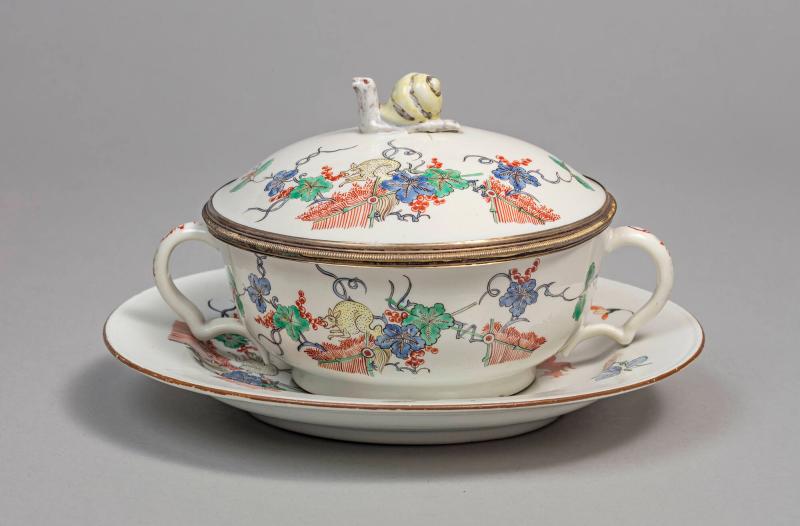
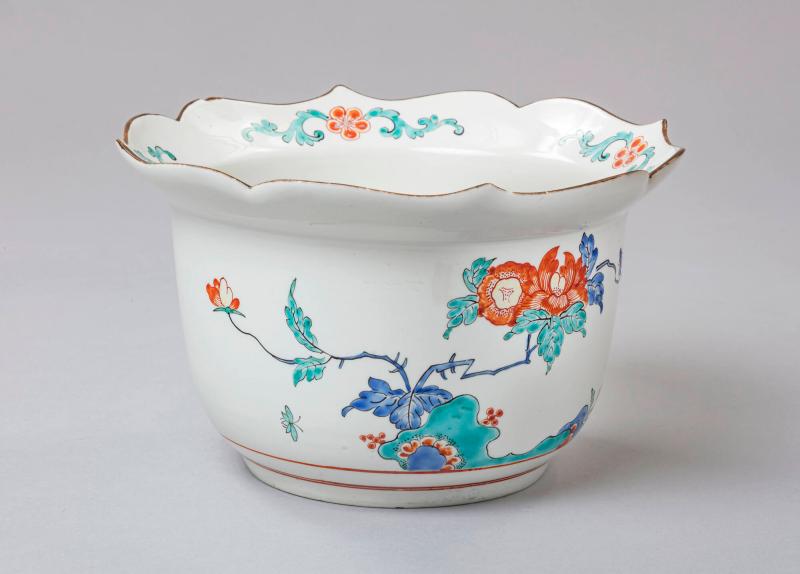
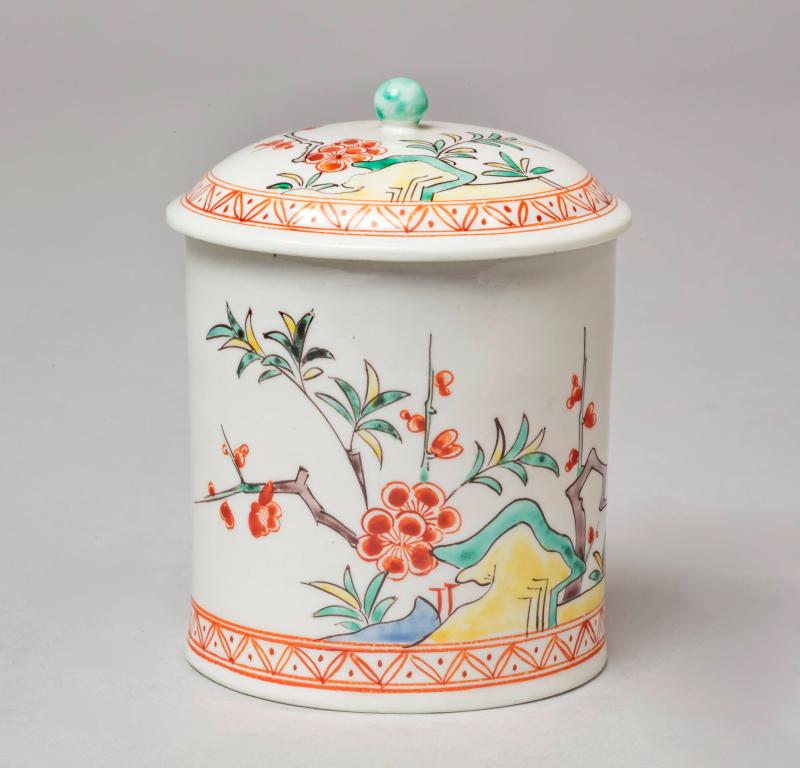
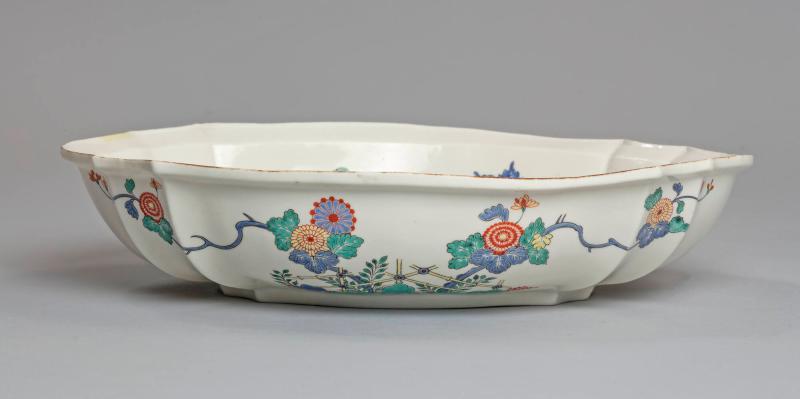
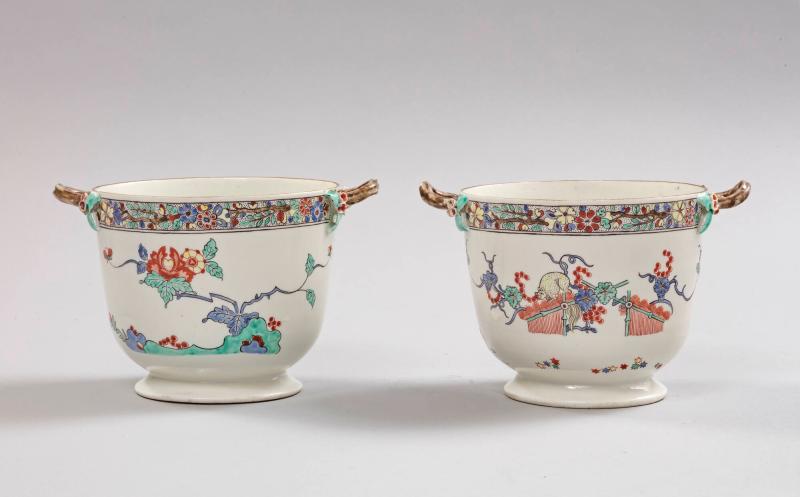
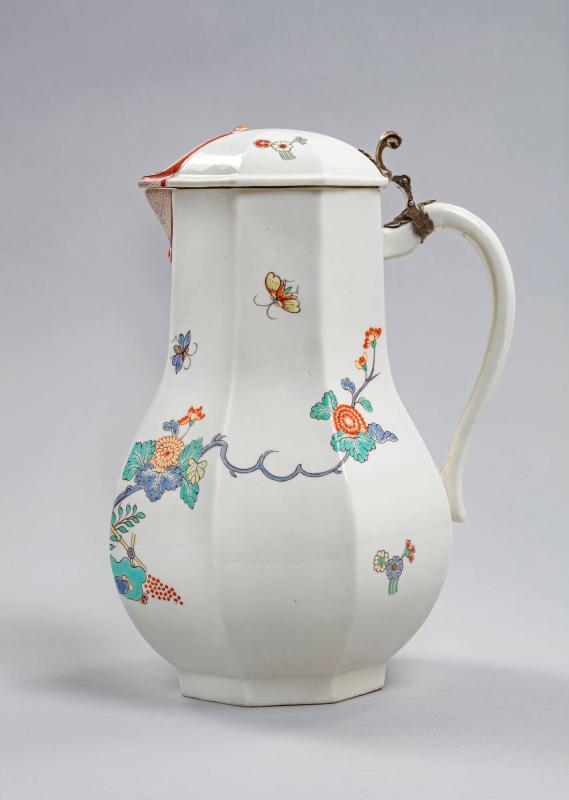
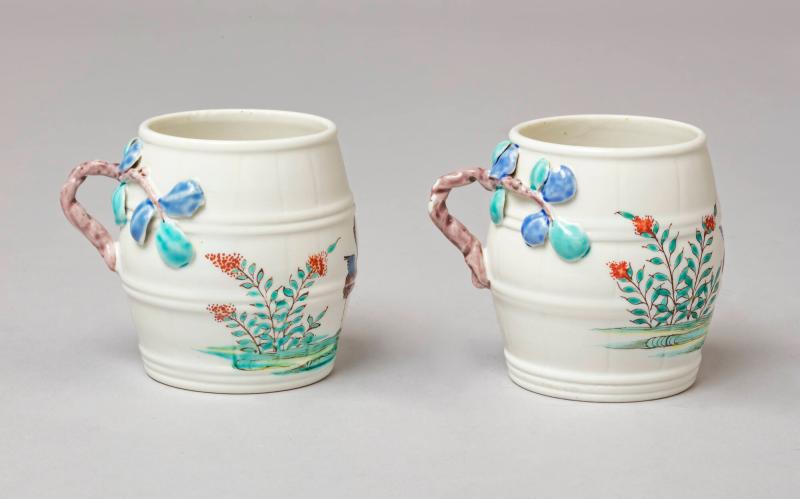
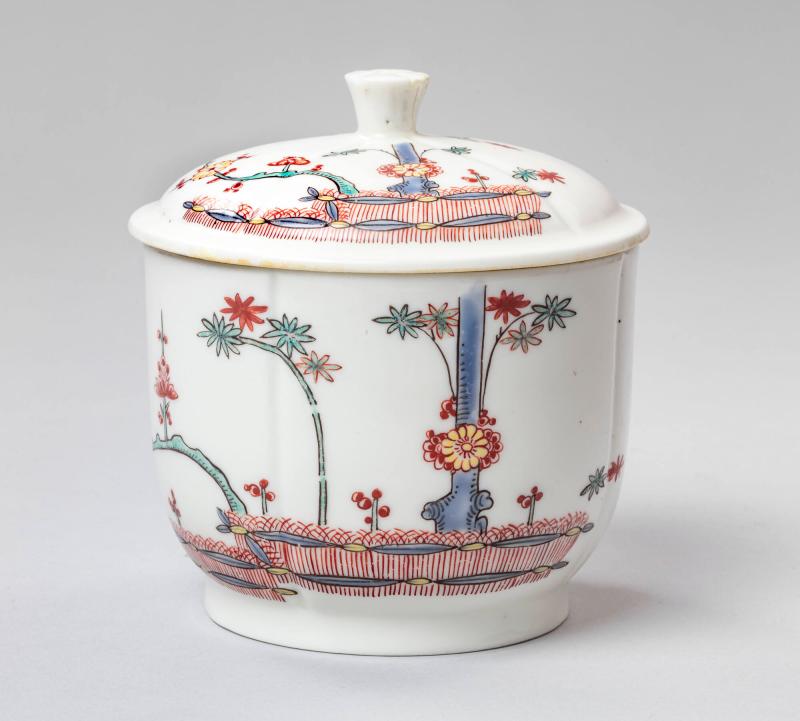
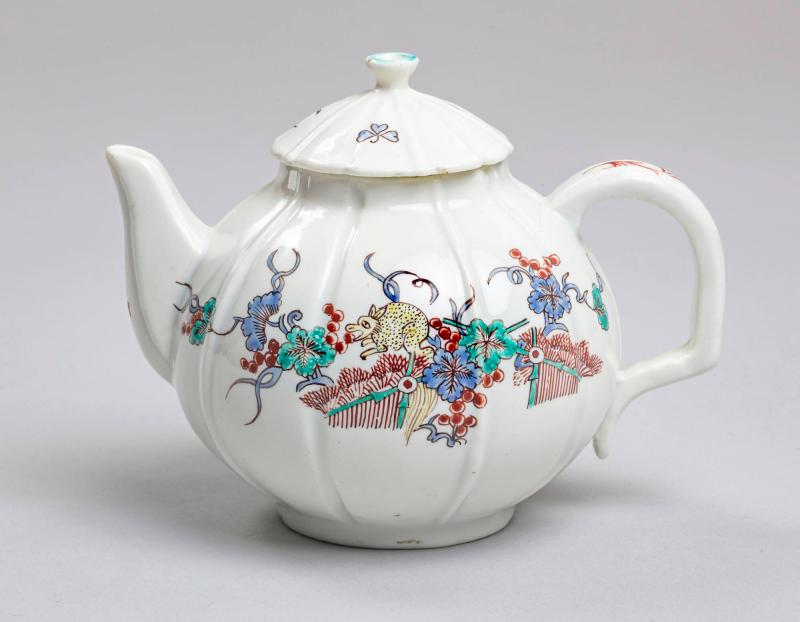
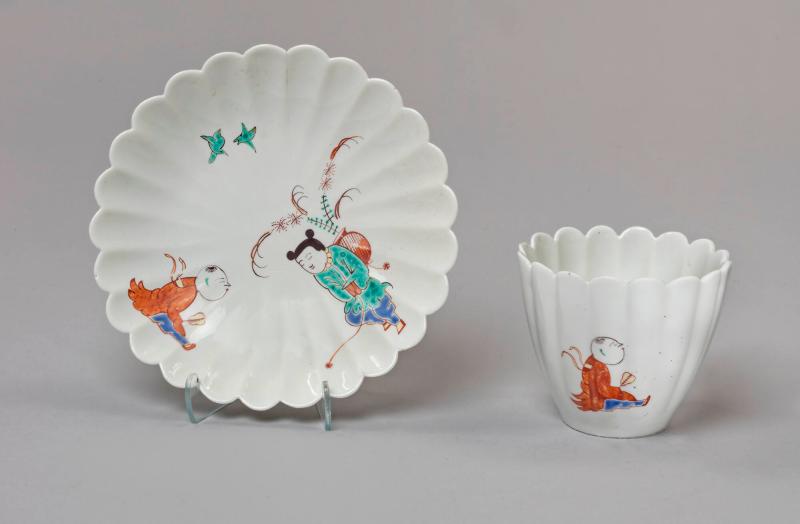
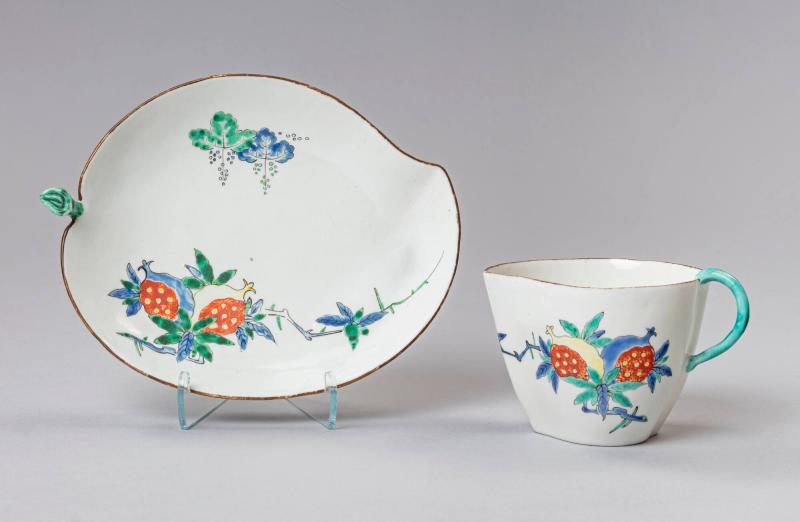
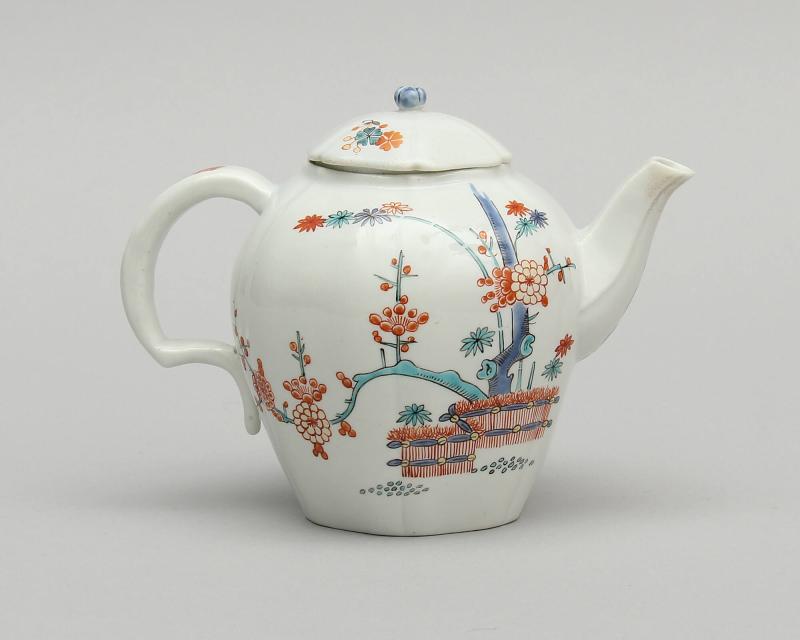
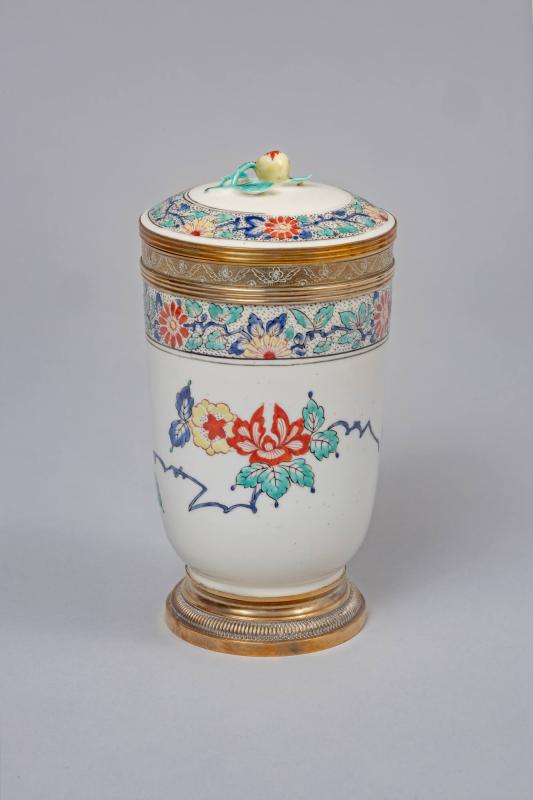
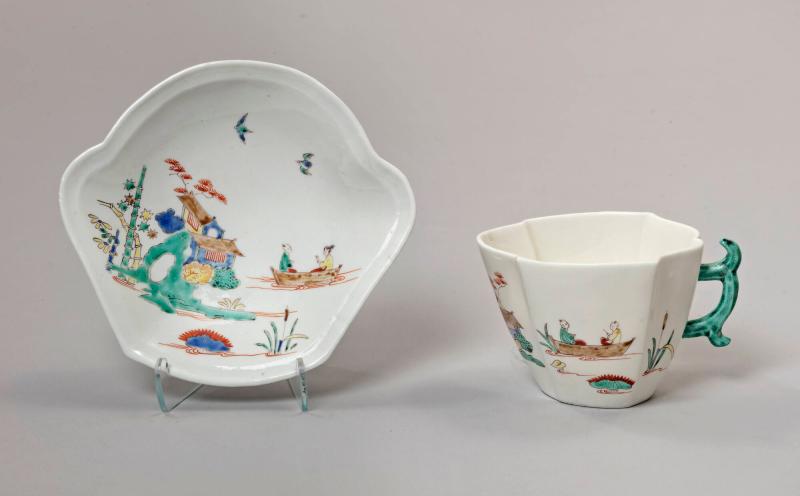
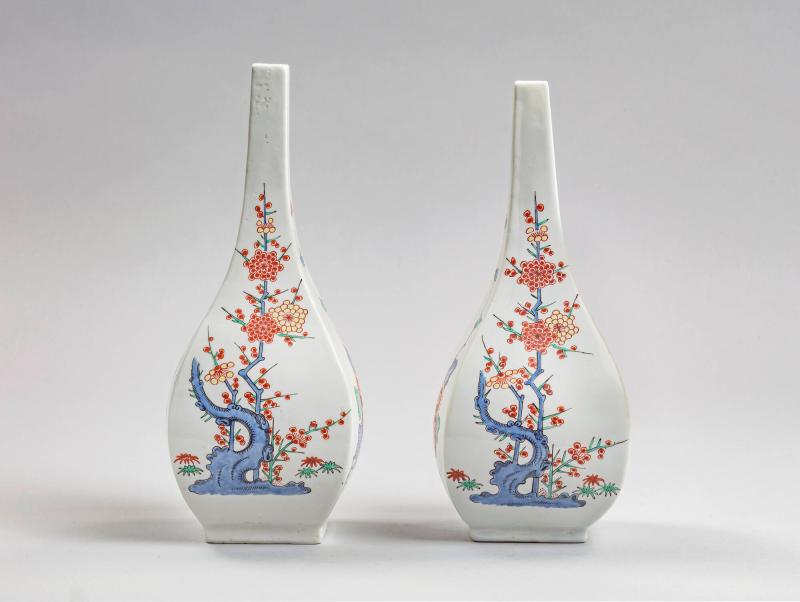
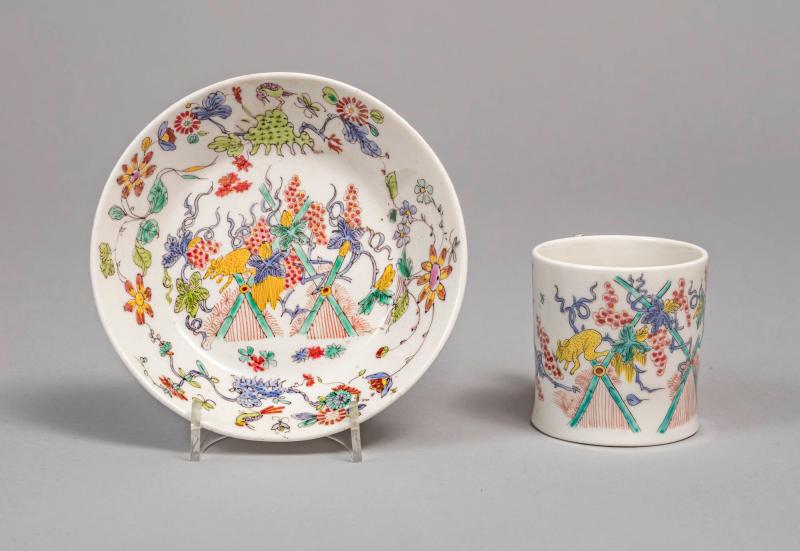
The taste for Kakiemon was especially strong in France. As in Germany, it emerged as an aspect of a much broader fascination for the arts of Asia. From around 1730, the soft-paste porcelain manufactories of Chantilly and Saint-Cloud in particular emulated the style with varying degrees of faithfulness, sometimes leading to eclectic forms of interpretation and appropriation.

0
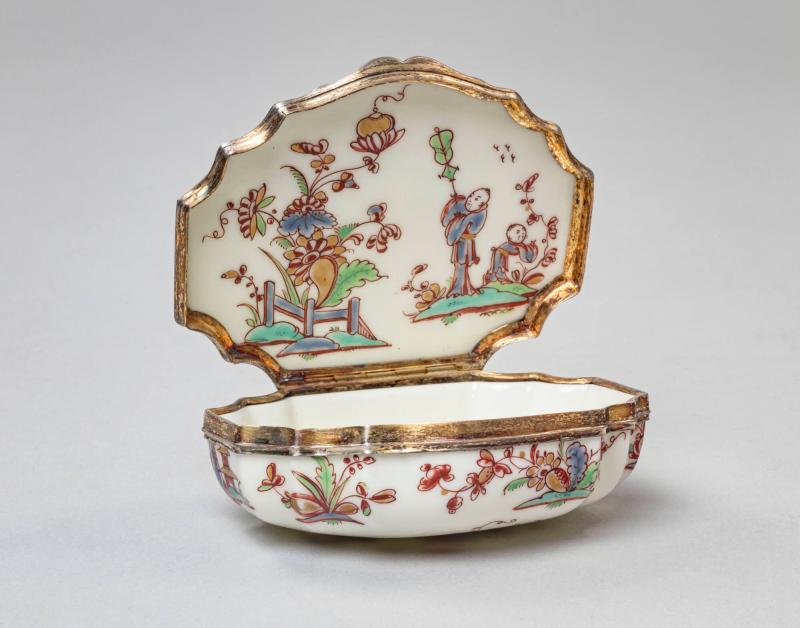
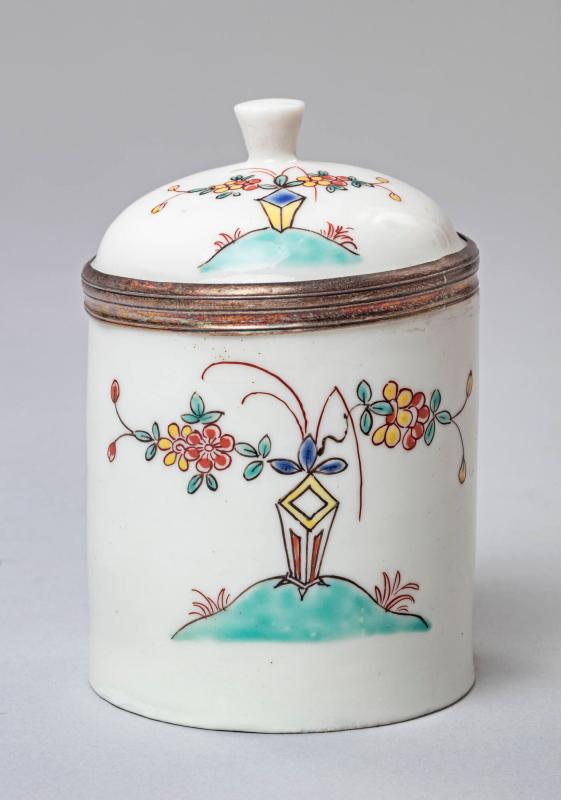
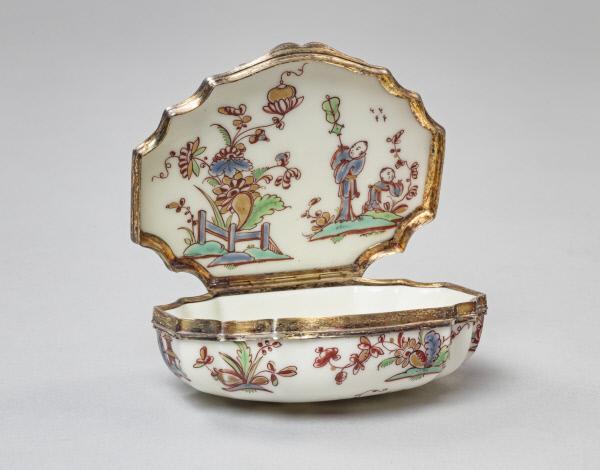
Snuff box

Snuff box, France, Saint-Cloud, c.1745, Soft-paste porcelain with overglaze enamels; silver gilt mounts. The Macdonald Collection

Operating since the 1690s, Saint-Cloud was the first to produce soft-paste porcelain commercially. Its wares were first inspired by Chinese blue-and-white porcelain, and around 1730 its decorative repertoire expended to encompass Kakiemon designs and palette. Yet, interpretations of the style are more closely aligned with Chinoiserie, a European visual language reflecting an imagined conception of the East, as exemplified by this snuff box.

1Discover more about this snuff box
1
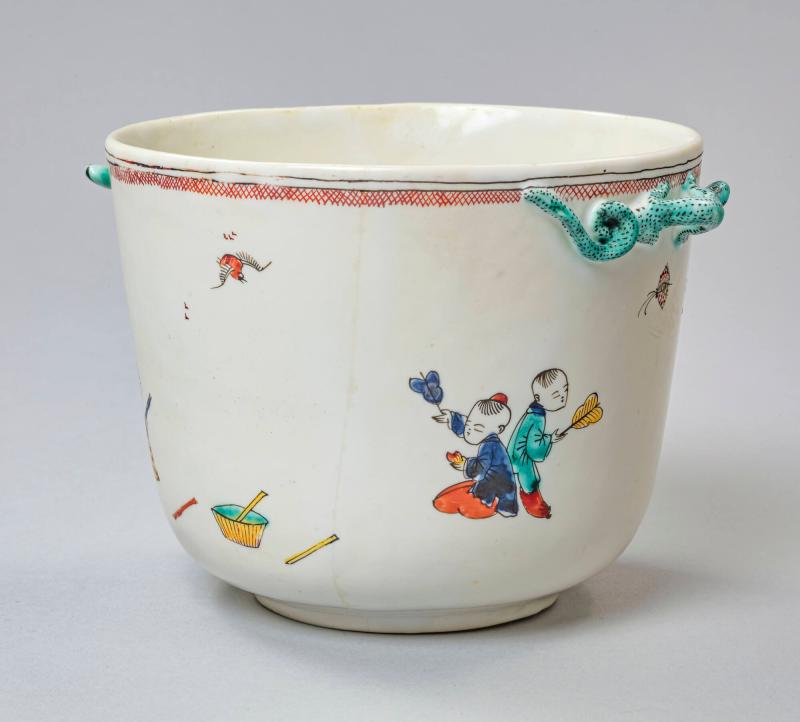
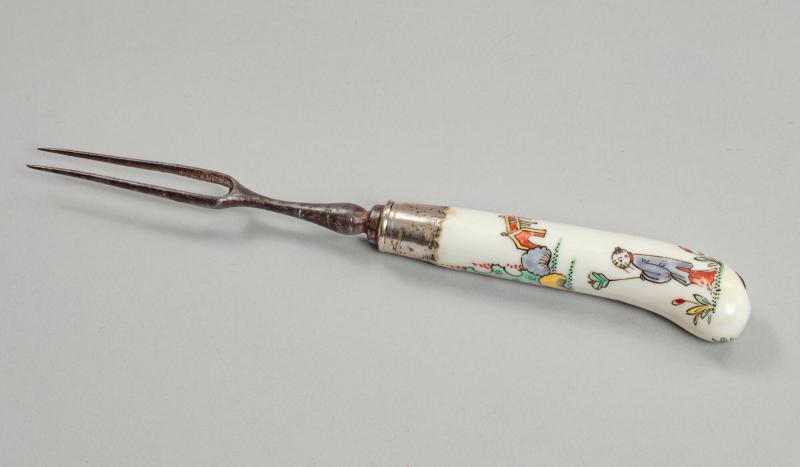
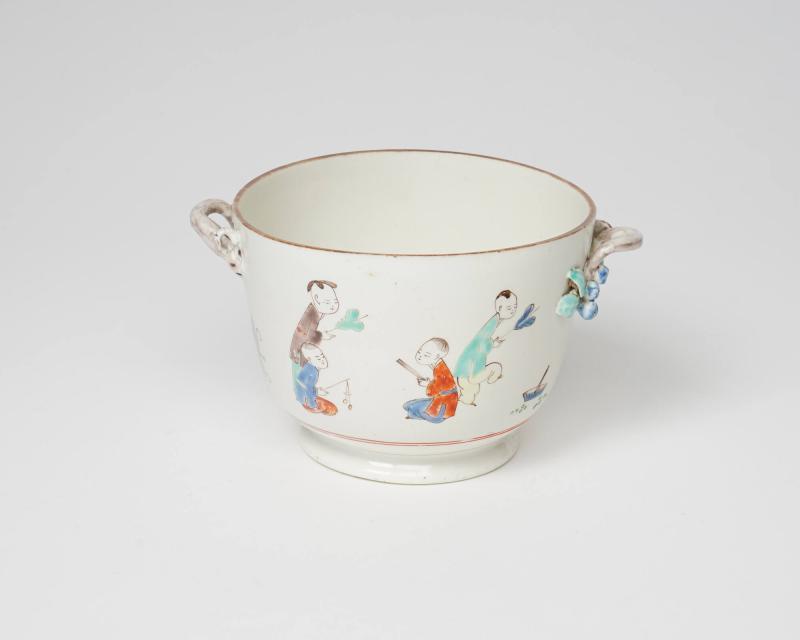
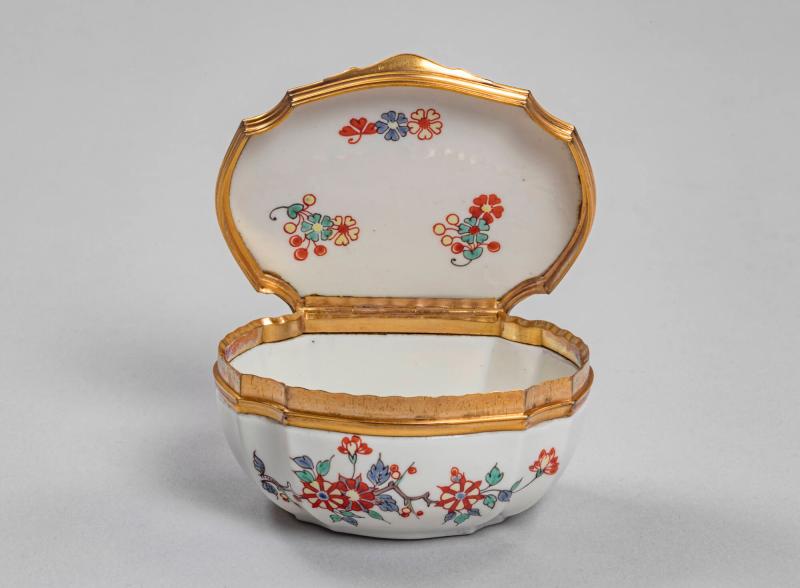
Kakiemon style container for cosmetics and handle of a fork

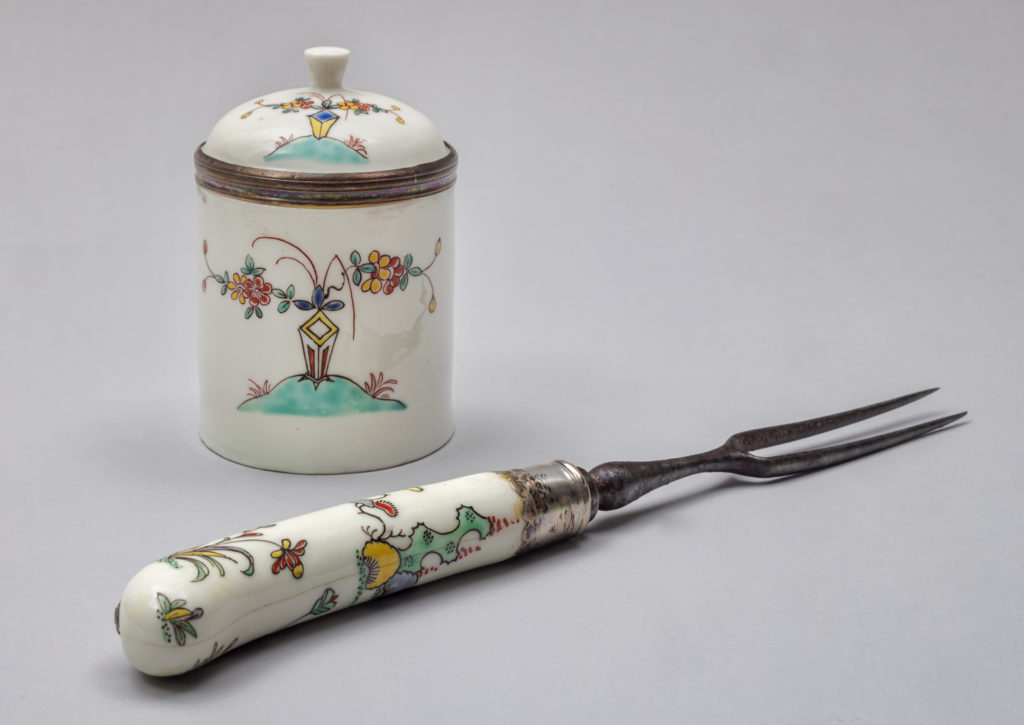
Pomade pot and fork, France, Saint-Cloud, c.1730-1740, Soft-paste porcelain with overglaze enamels; metal fork. The Macdonald Collection

In addition to snuff boxes, items such as knife and fork handles and containers for cosmetics were among the small luxuries made at Saint-Cloud and which brought Kakiemon into the realm of daily life.

0
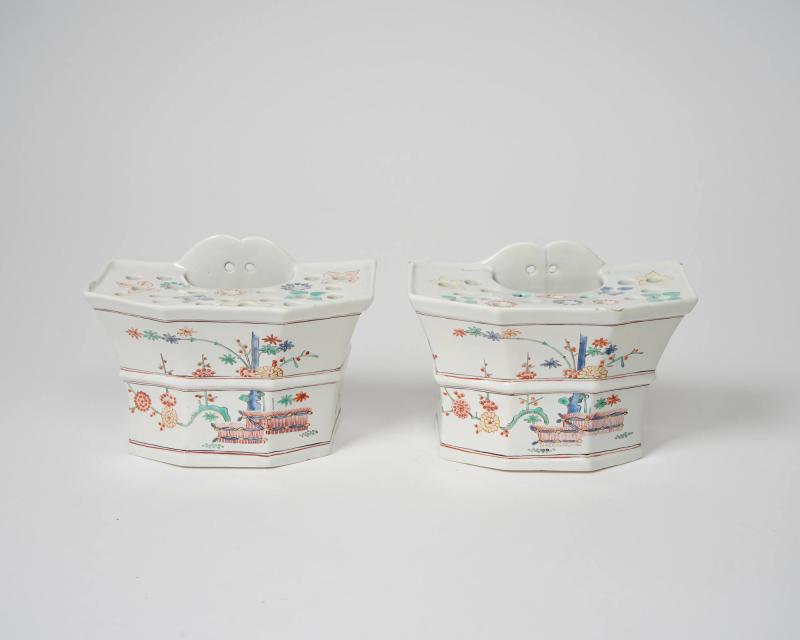
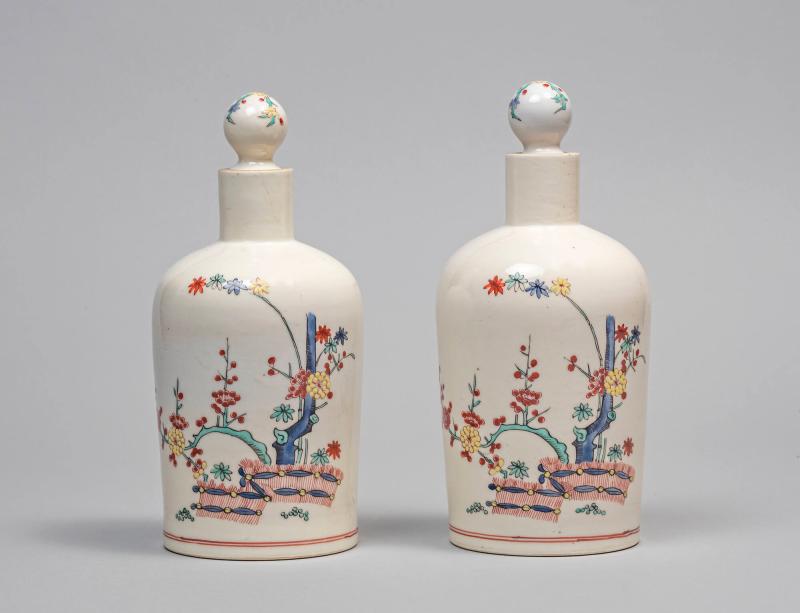
Square bottles

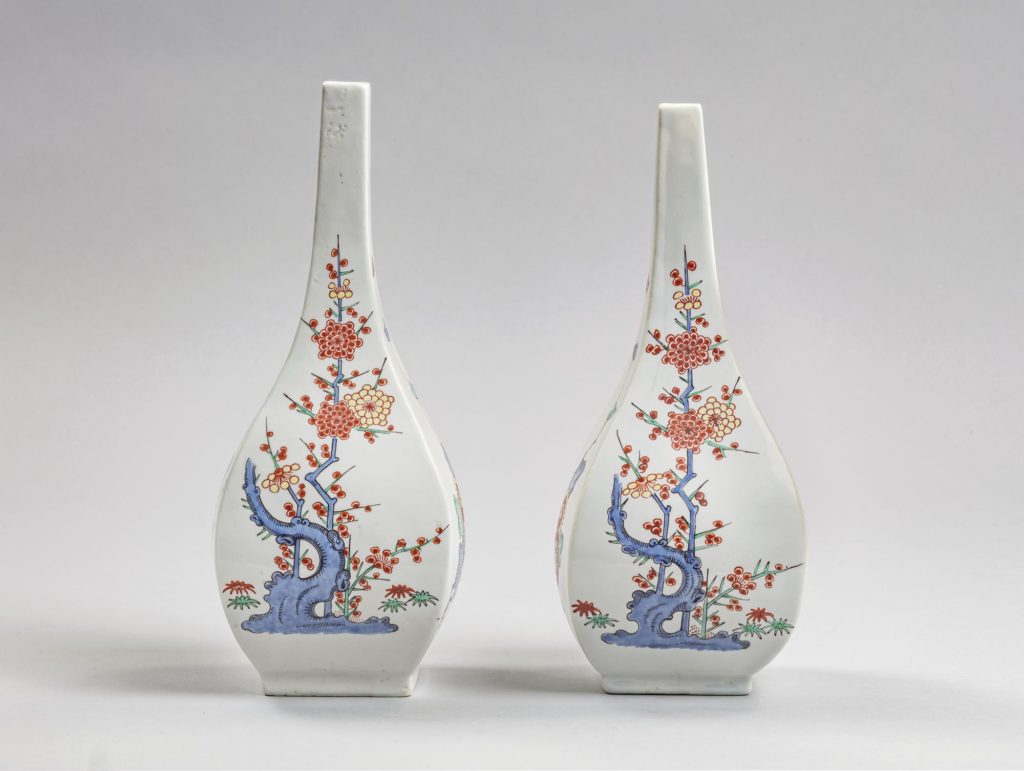
Pair of square bottles, France, Chantilly, c.1730-1740, Soft-paste porcelain with overglaze enamels. The Macdonald Collection

In the 1730s, the Chantilly manufactory was the leading producer of porcelain in the Kakiemon style in France. The factory was founded around 1730 with the support of Louis Henri, duc de Bourbon, Prince de Condé. The duke owned one of the most important collections of Asian art in France, including over 2,000 pieces of porcelain. Japanese Kakiemon wares could be studied by the artisans from the manufactory, who sometimes imitated originals in both shape and decoration, as was the case with these square bottles.

1
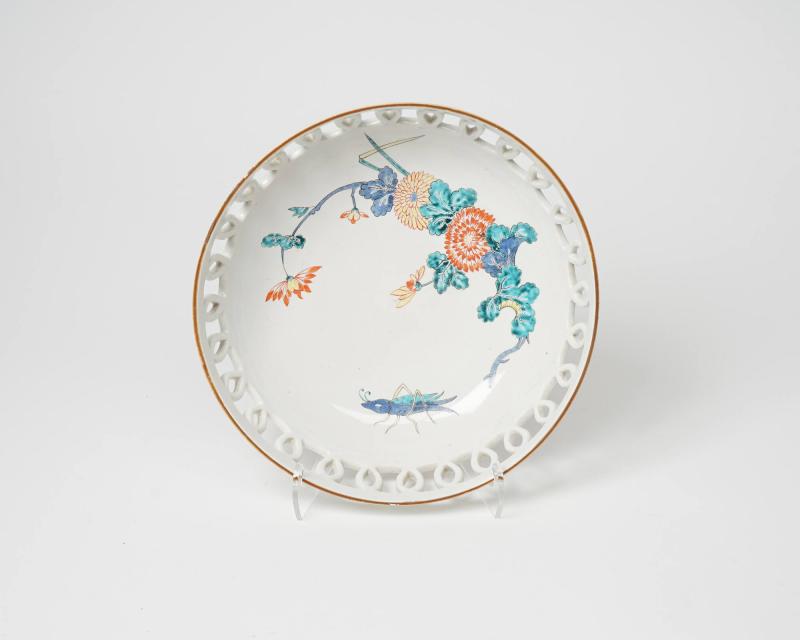
Ewer and basin in the Kakiemon style France, Chantilly

Ewer and basin in the Kakiemon style, France, Chantilly, c.1735-1740, Soft-paste porcelain with tin-opacified lead glaze, overglaze enamels; later silver mounts on ewer. The Macdonald Collection

The approach taken at Chantilly was, however, usually more inventive, with elements derived from Japanese, Chinese, and European cultures converging into a single object. This ewer and basin, for instance, unites Kakiemon decoration with a common European object type used in the morning ritual of the toilette.

1Discover more about this ewer and basin
0
Pickle dish with quails. France, Chantilly, c. 1730–1740

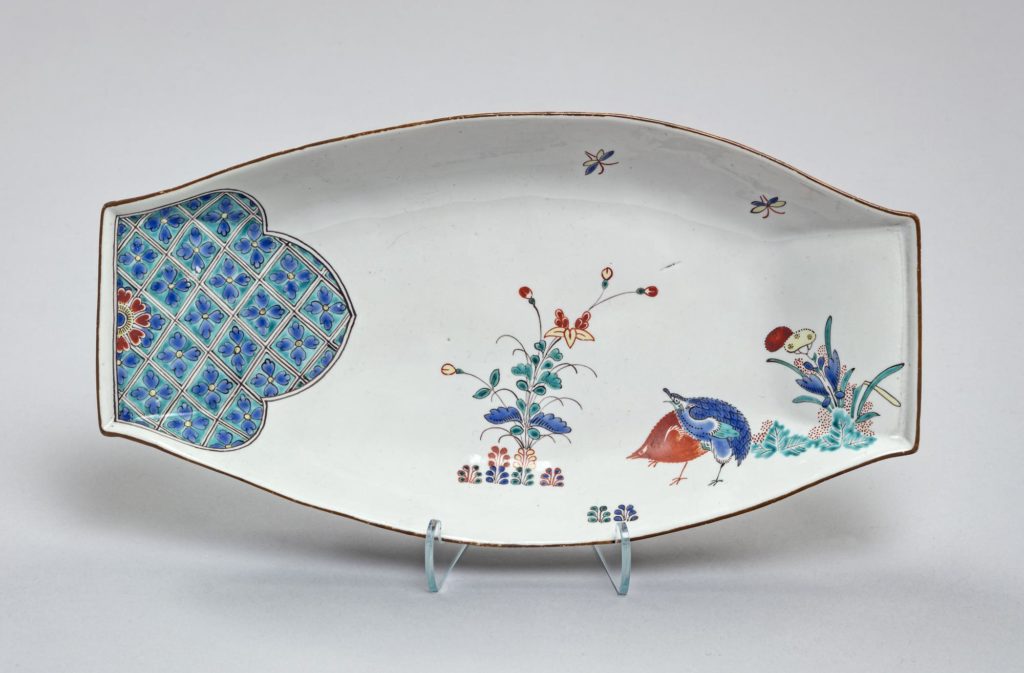
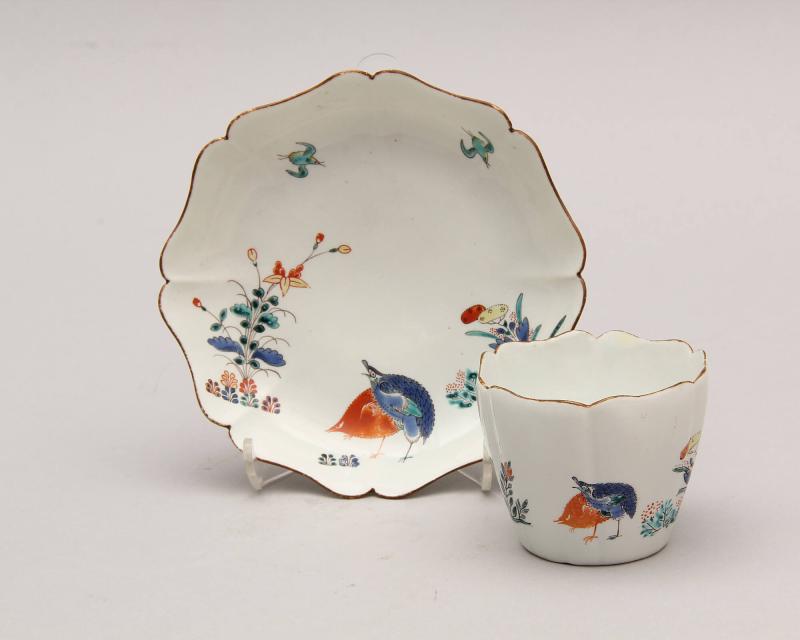
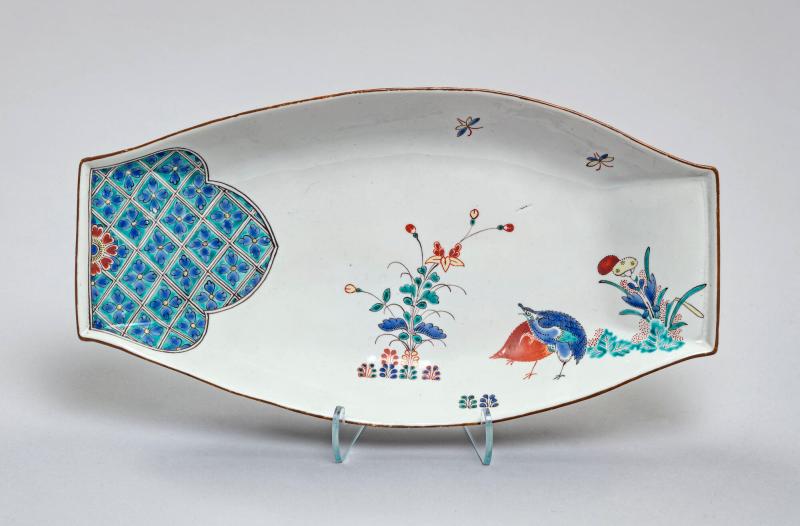
Pickle dish with quail. France, Chantilly, c. 1730–1740. Soft-paste porcelain with tin-opacified glaze, overglaze enamels. The Macdonald Collection

Chantilly’s eclectic approach is expressed in this exquisite boat-shaped pickle dish. The piece juxtaposes the popular Kakiemon quail motif to a tri-lobed cartouche filled with a mosaic pattern seen on Japanese Imari and Chinese export porcelain.

The fashion for Kakiemon declined in France in the 1740s, before Vincennes/Sèvres emerged as France’s leading porcelain producer. This explains why the style is nearly absent from the royal manufactory’s repertoire.