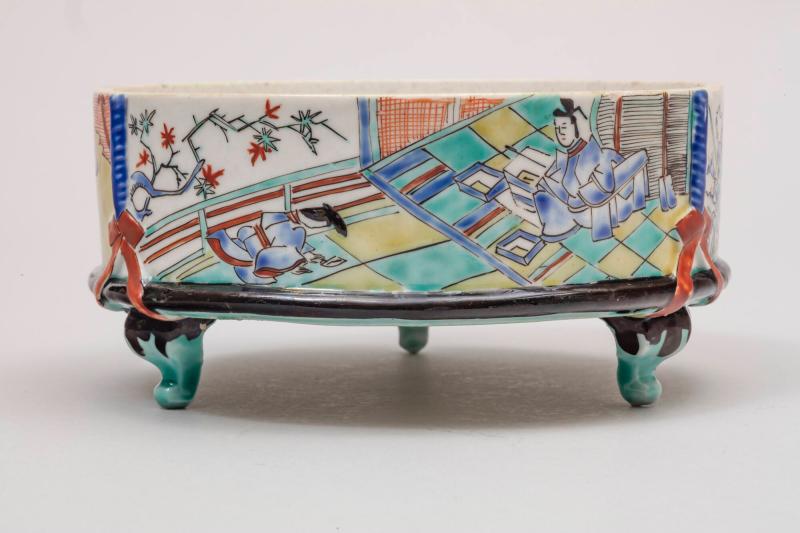
Kakiemon-Type Porcelain

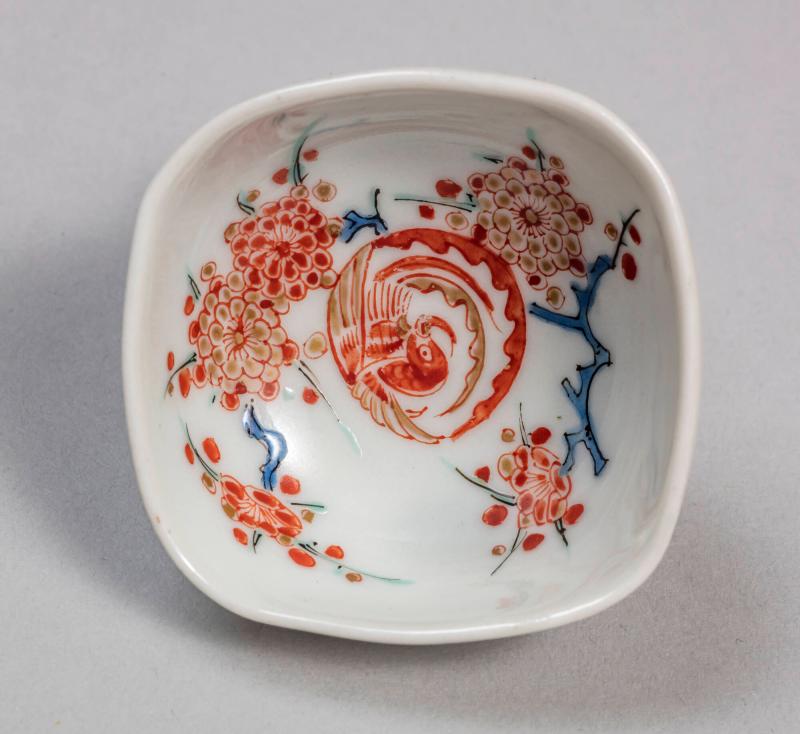
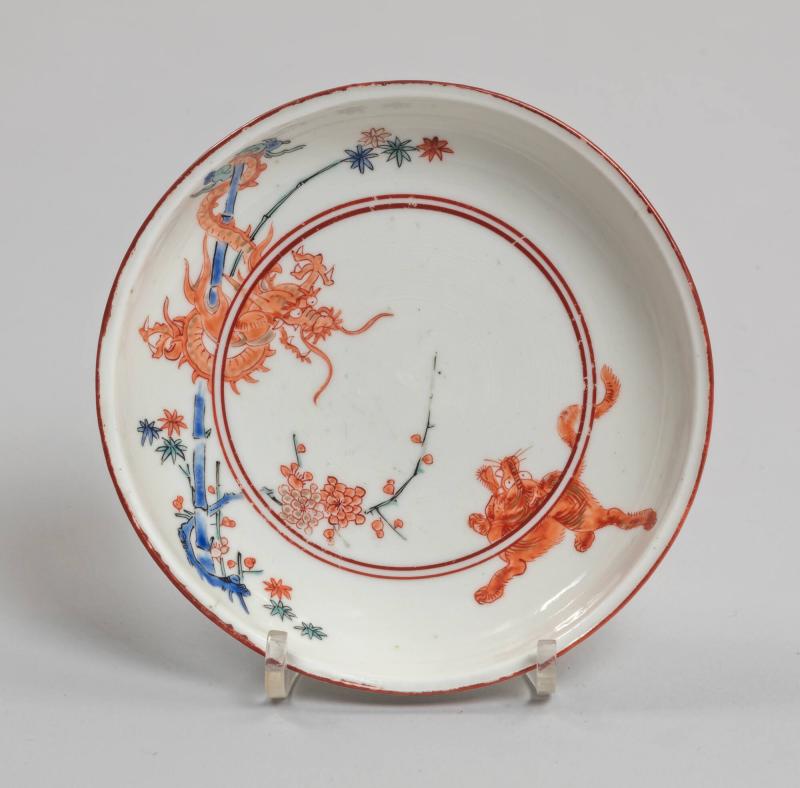
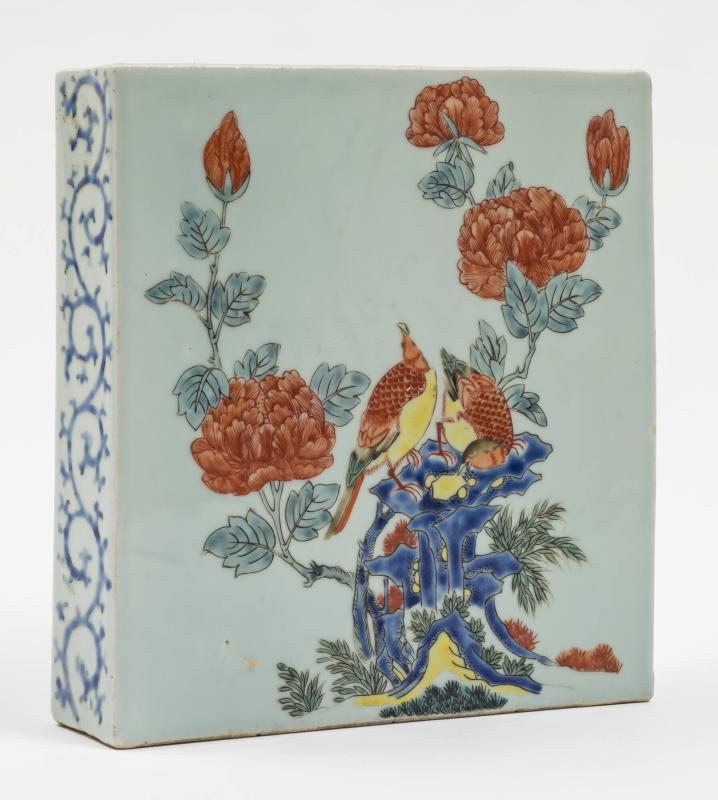
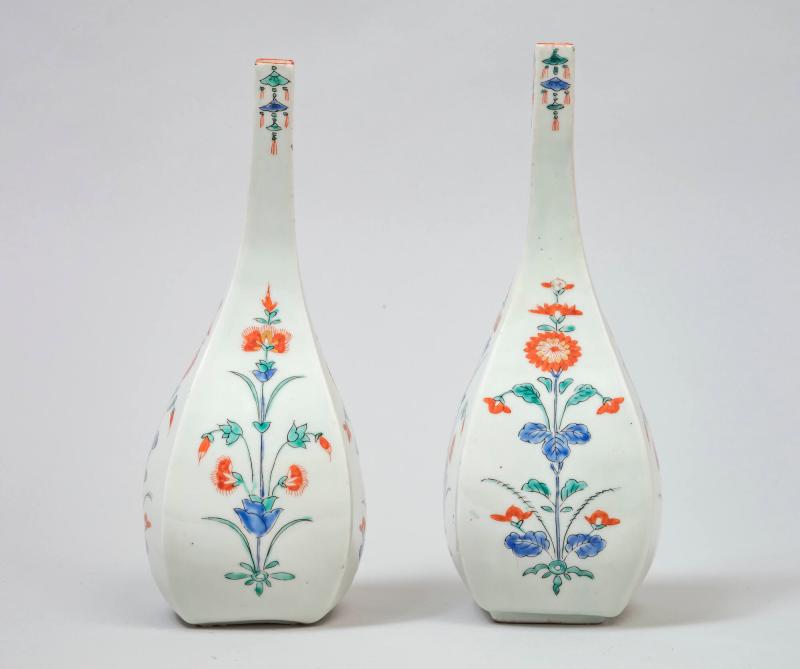
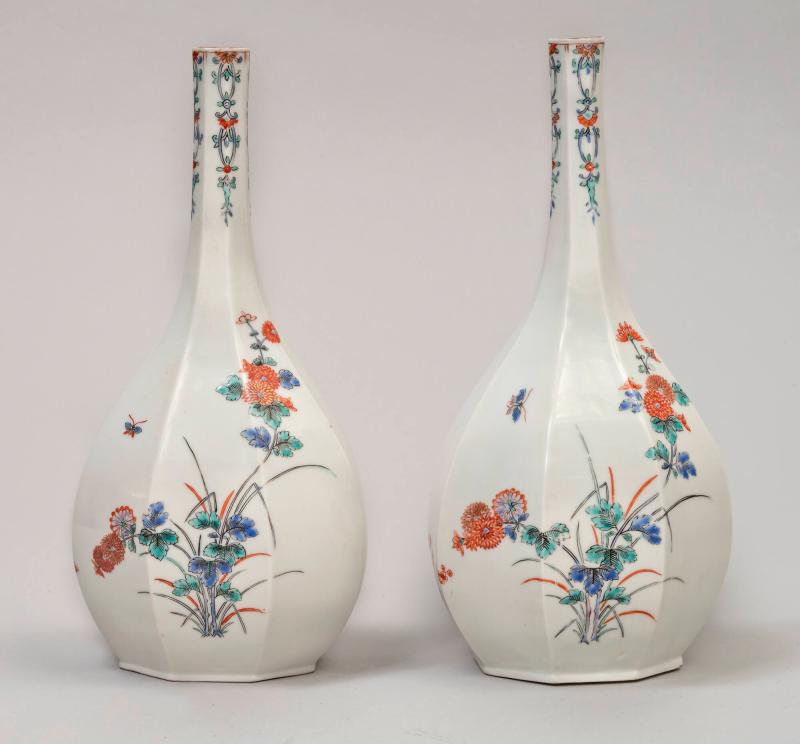
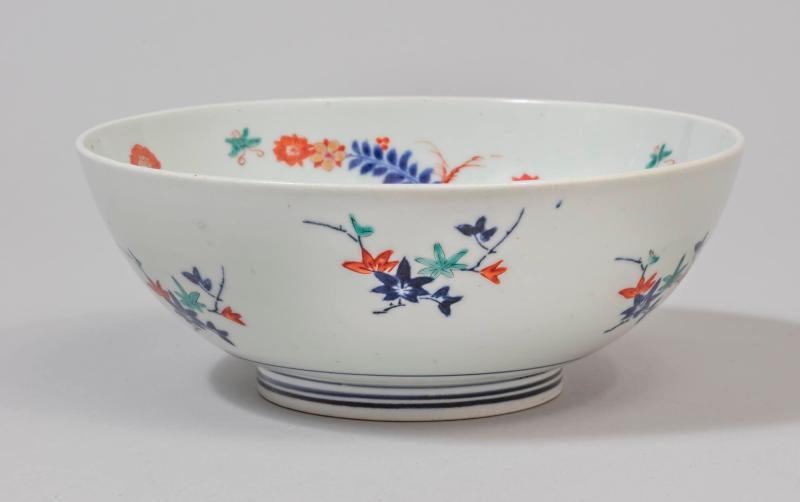
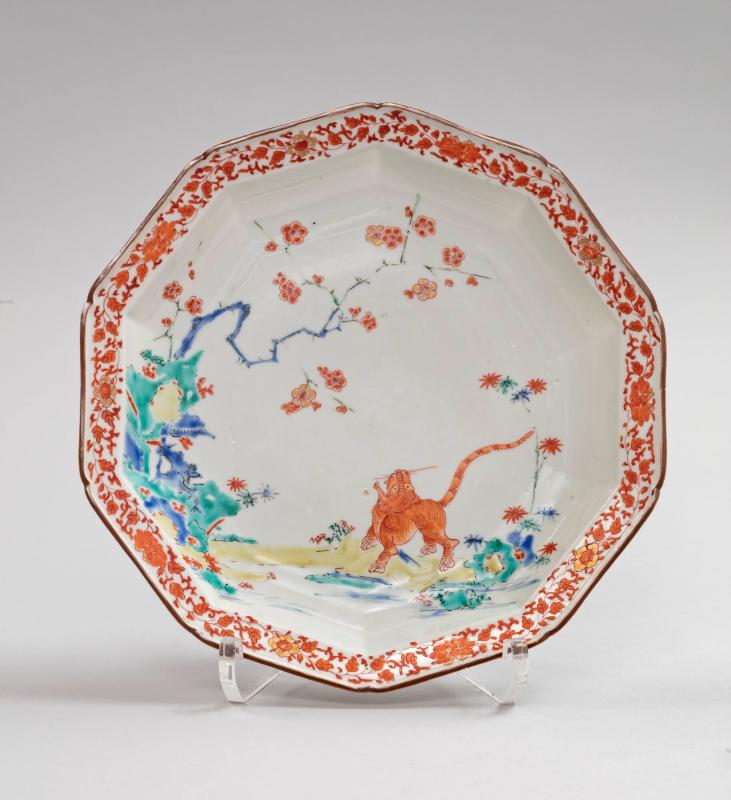
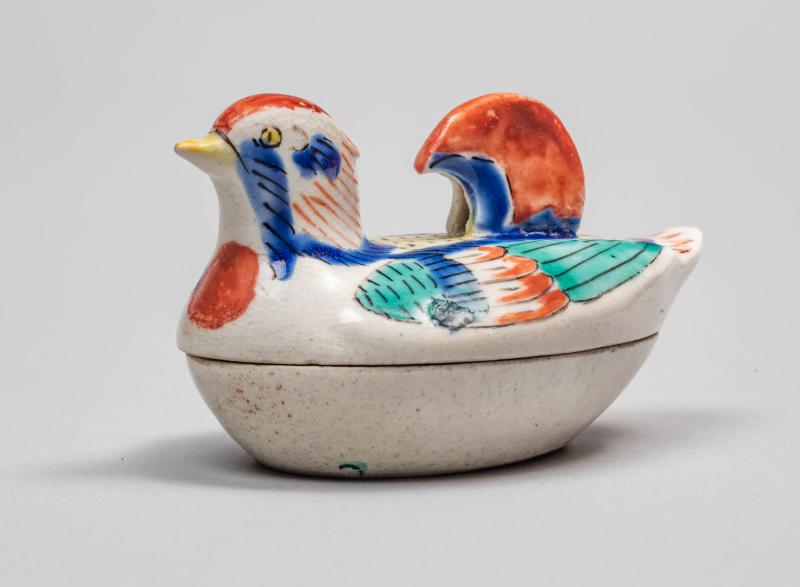
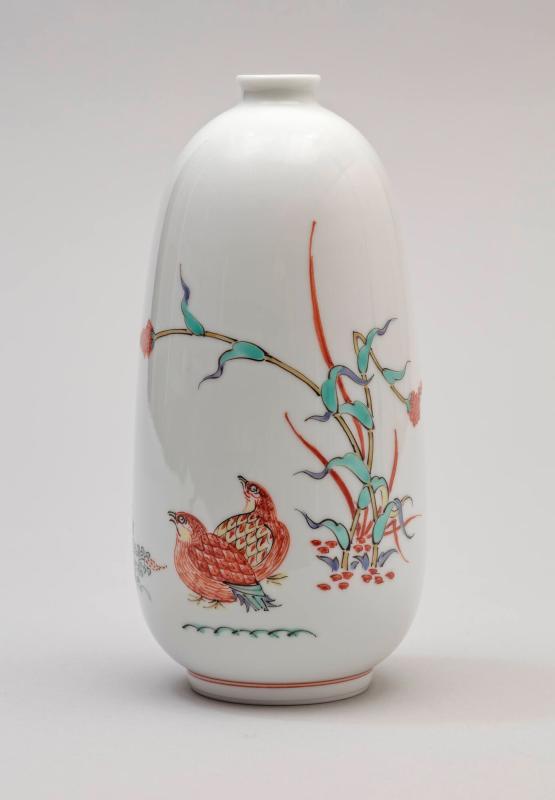
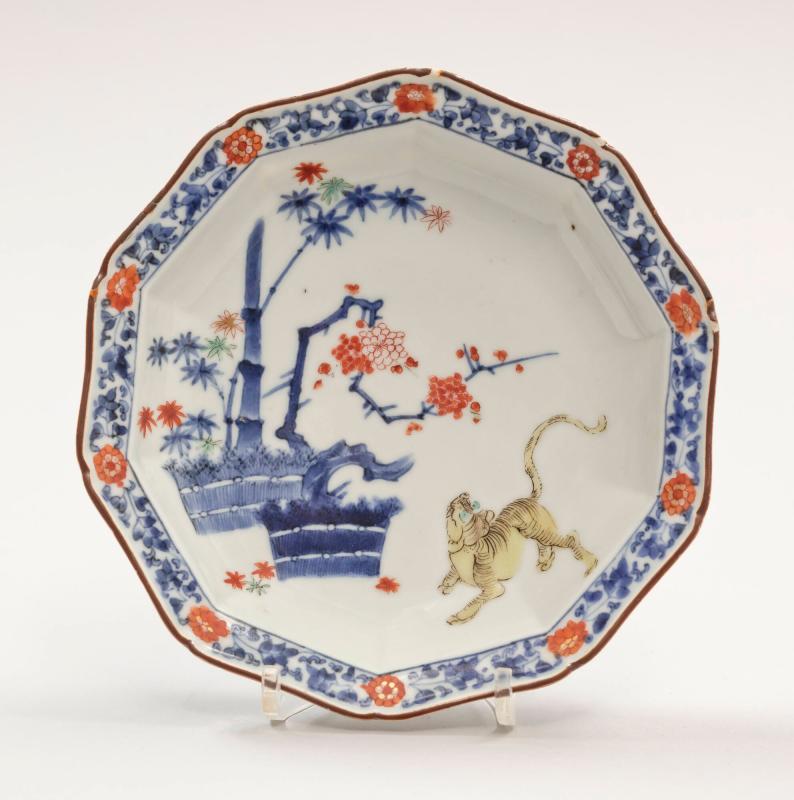
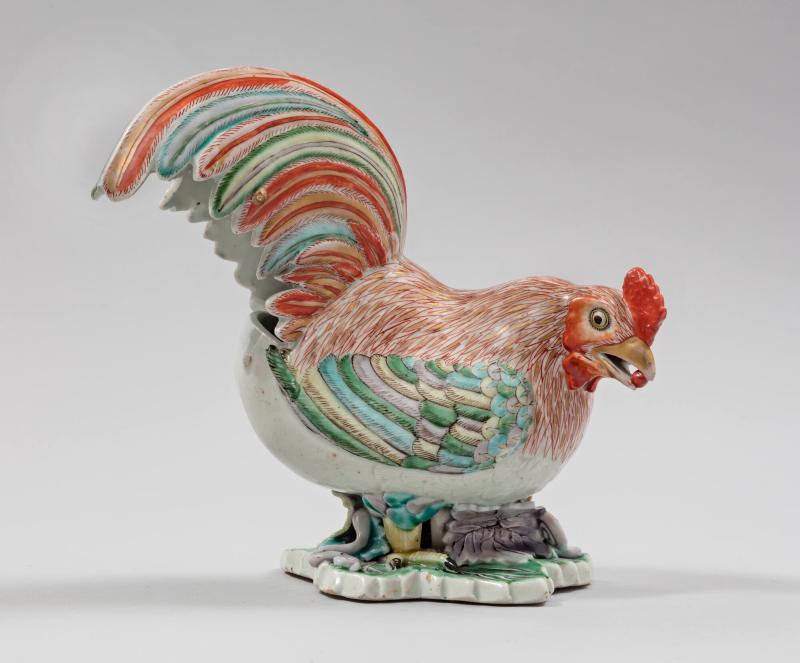
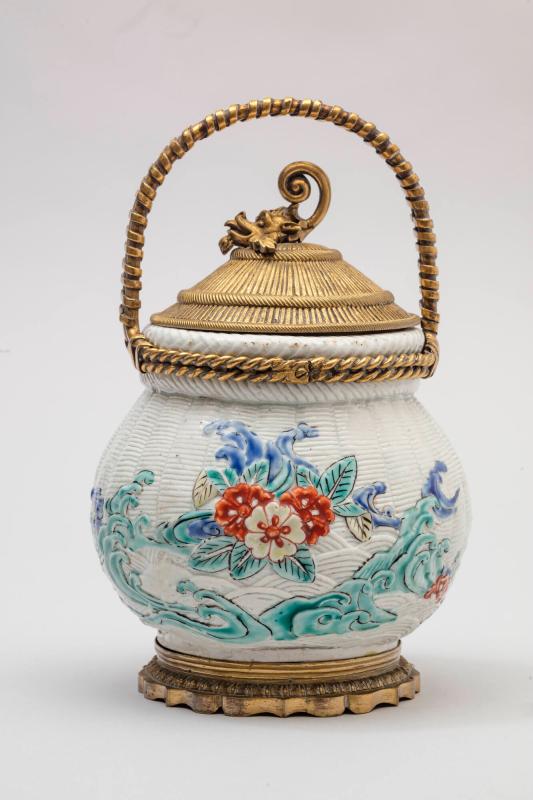
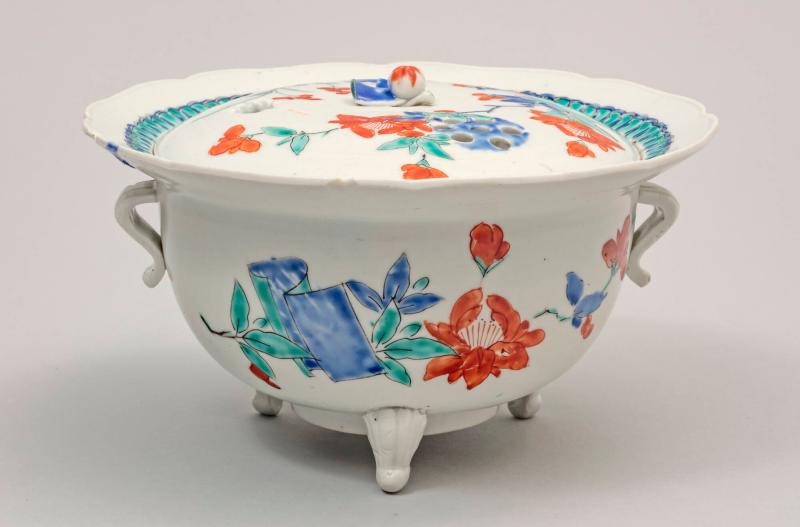
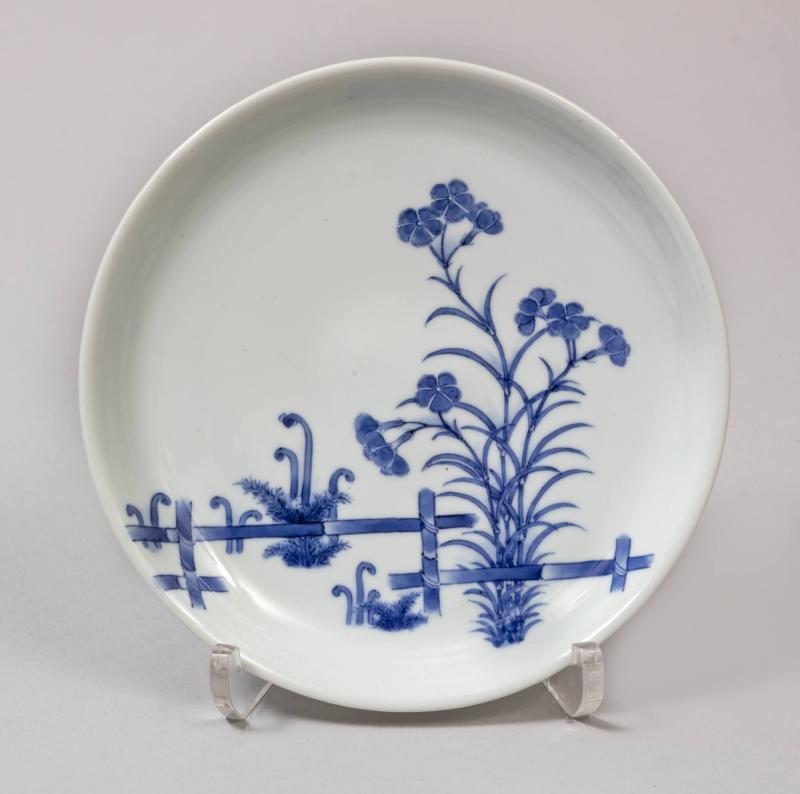
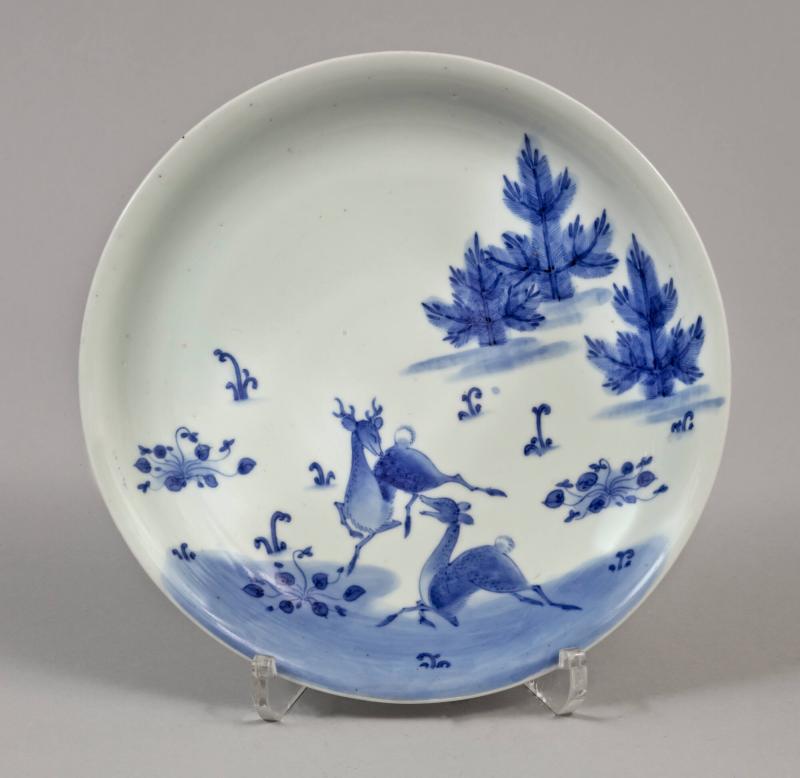
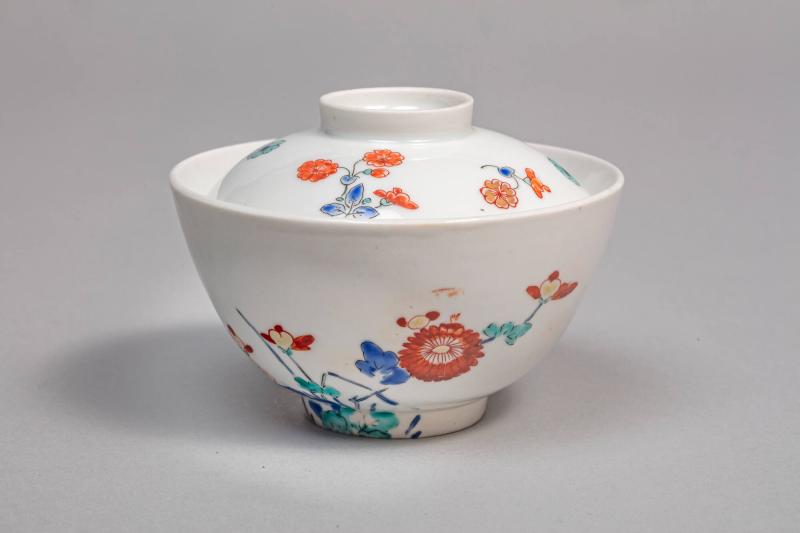
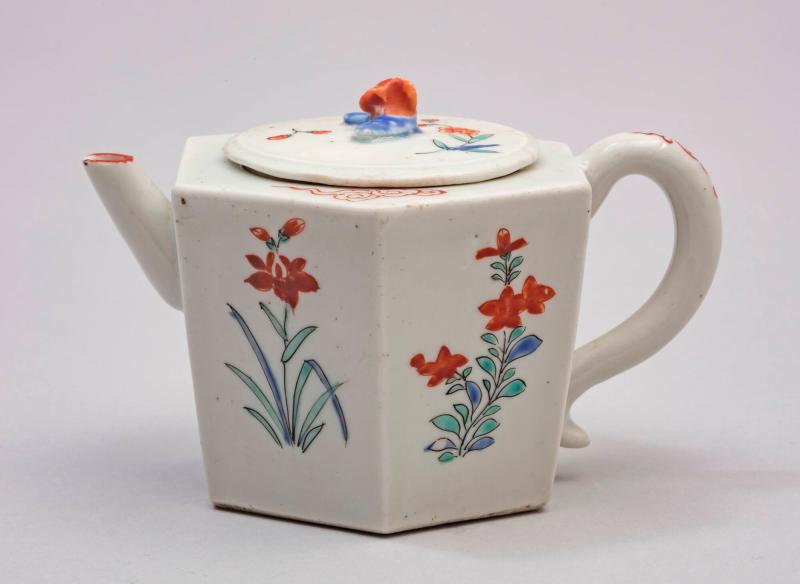
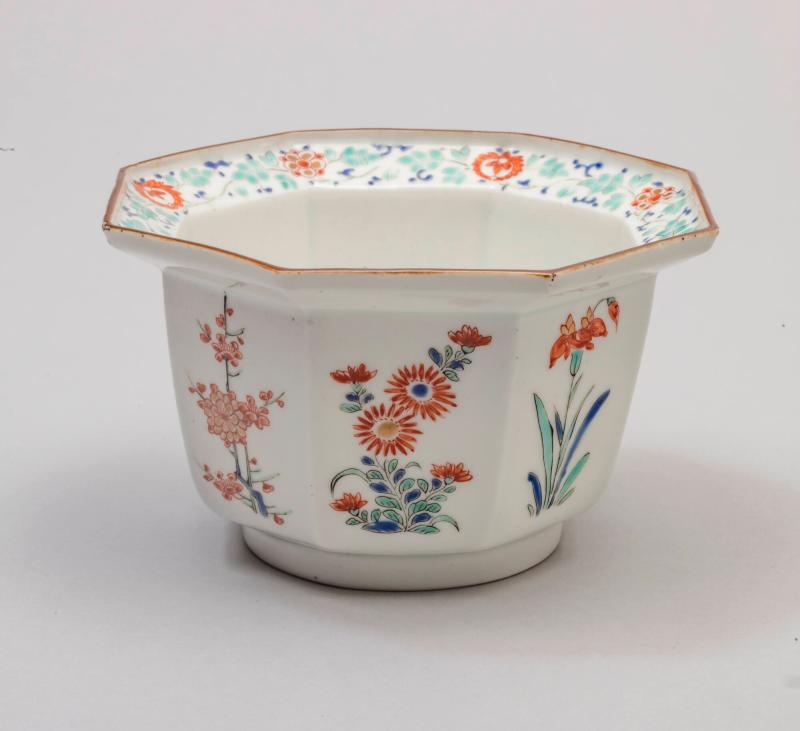
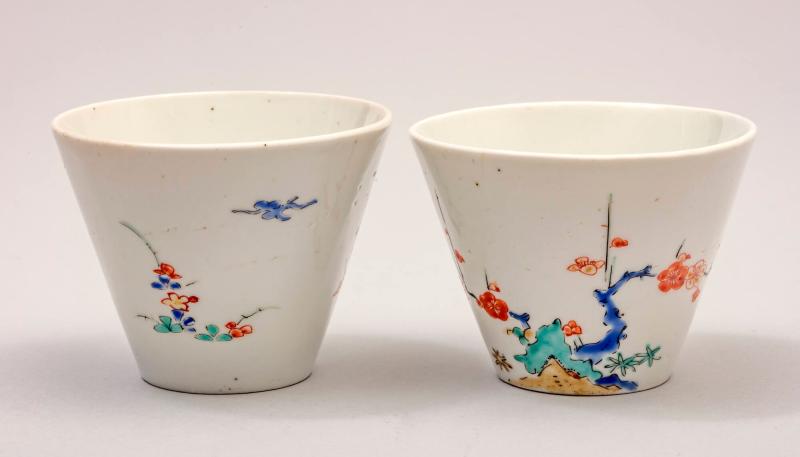
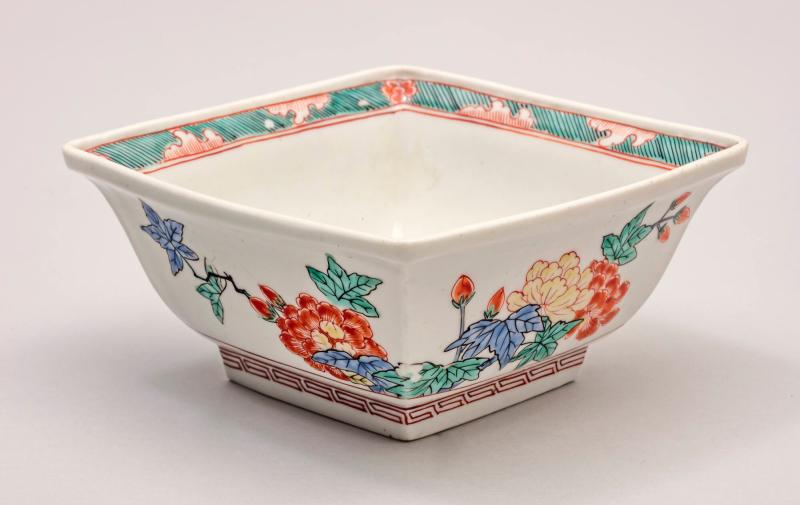
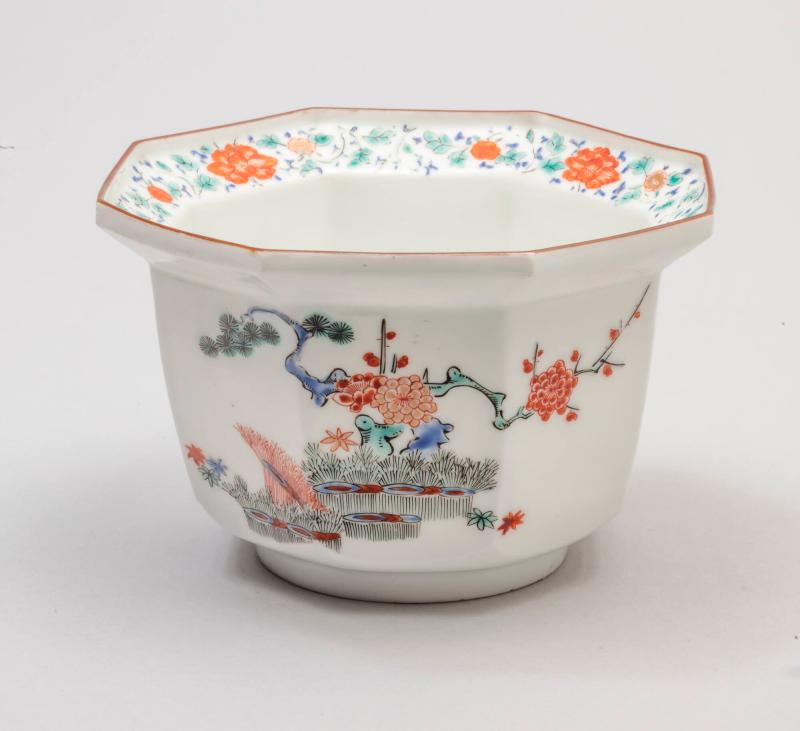
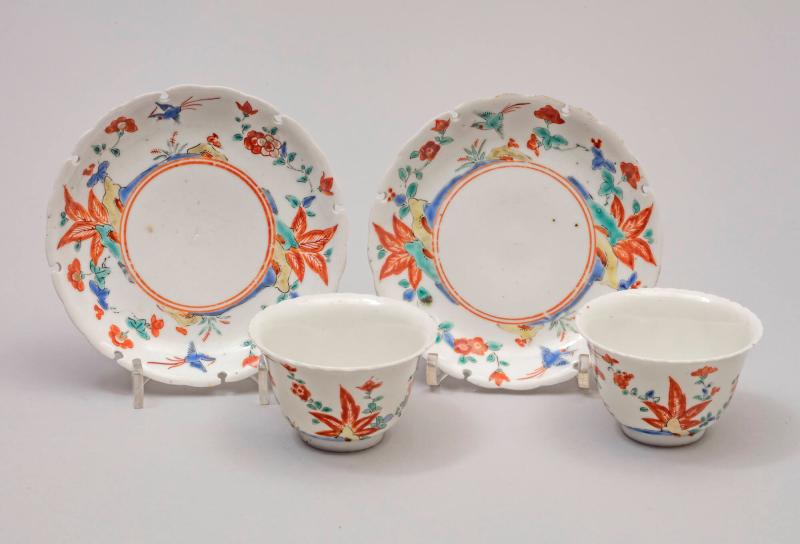
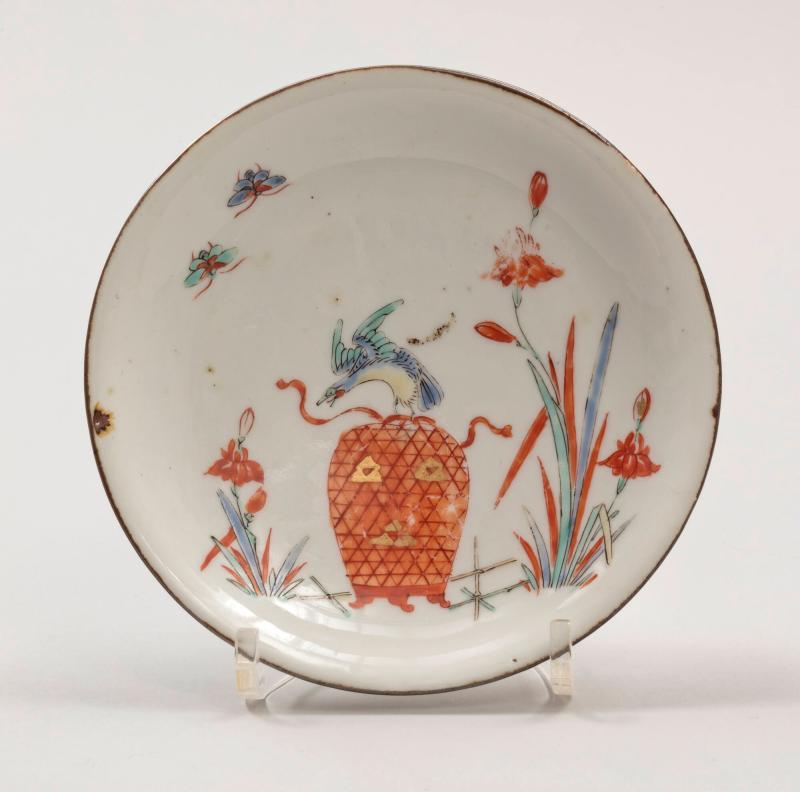
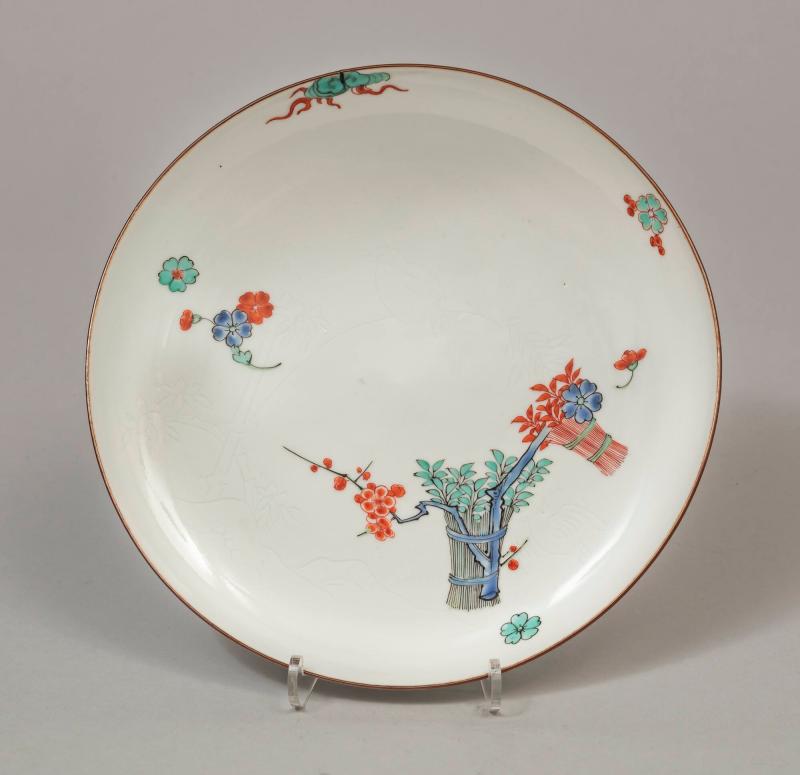
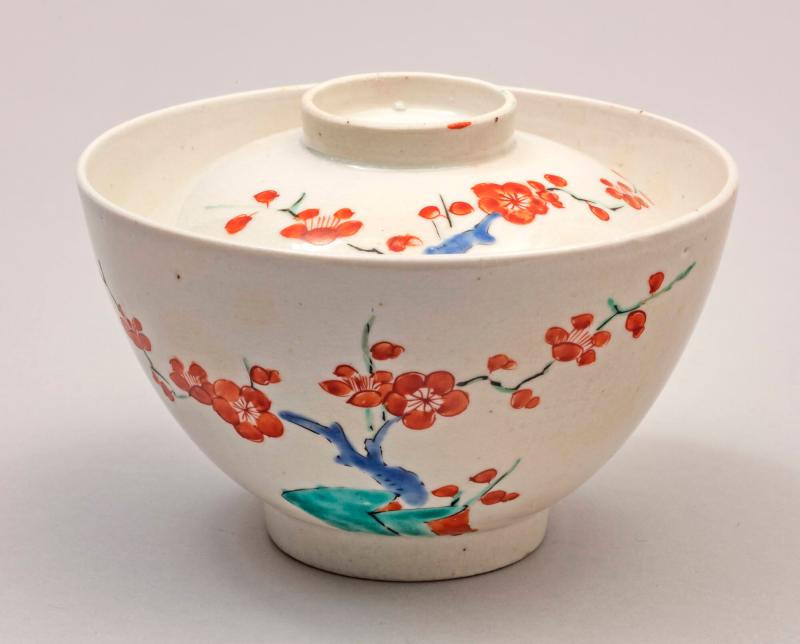
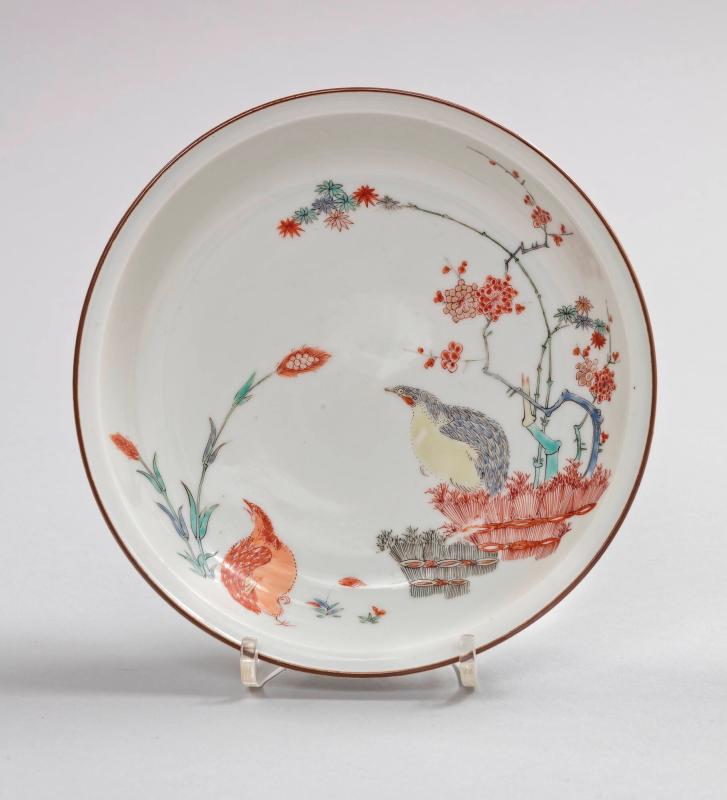
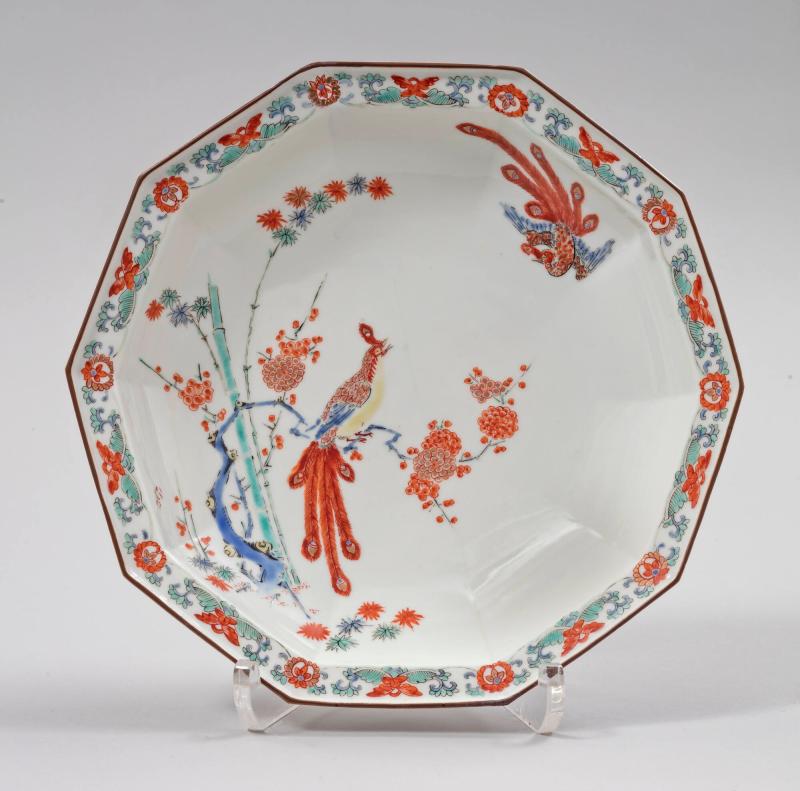
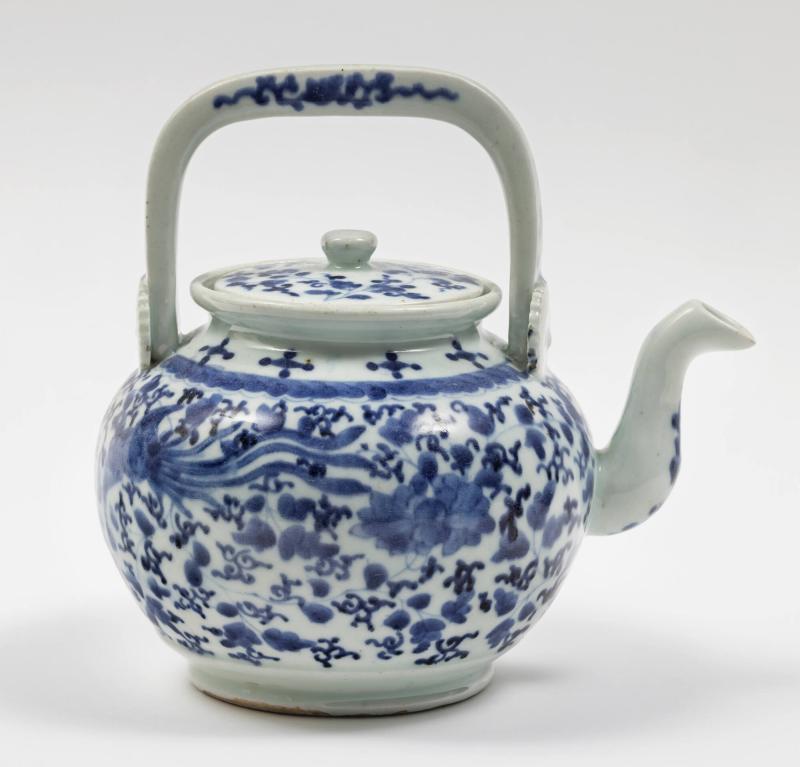
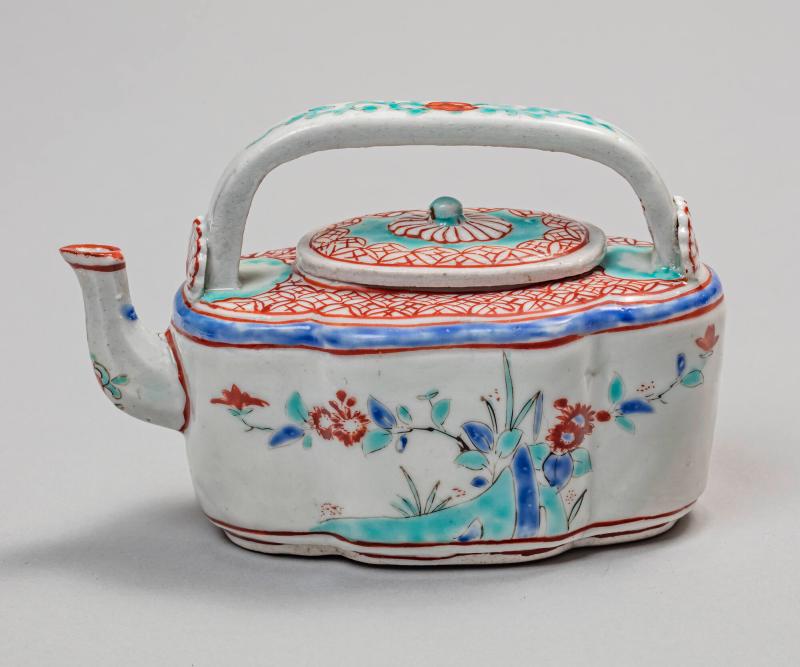
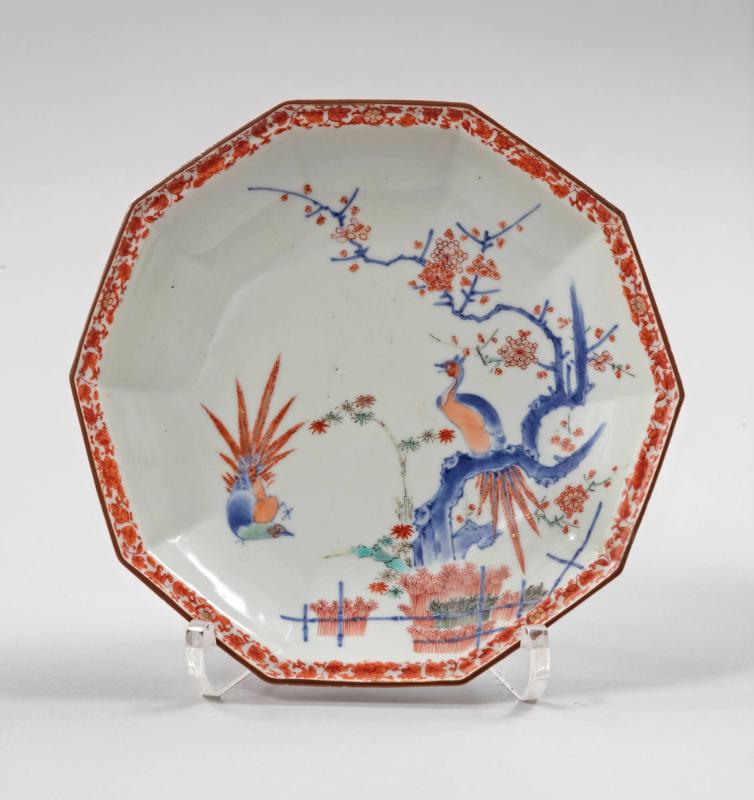
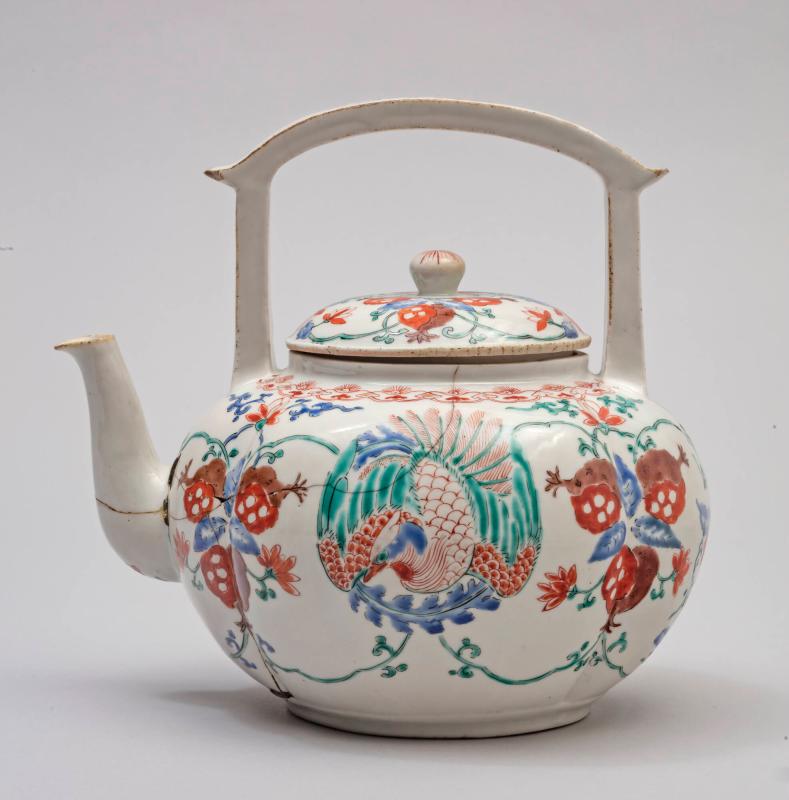
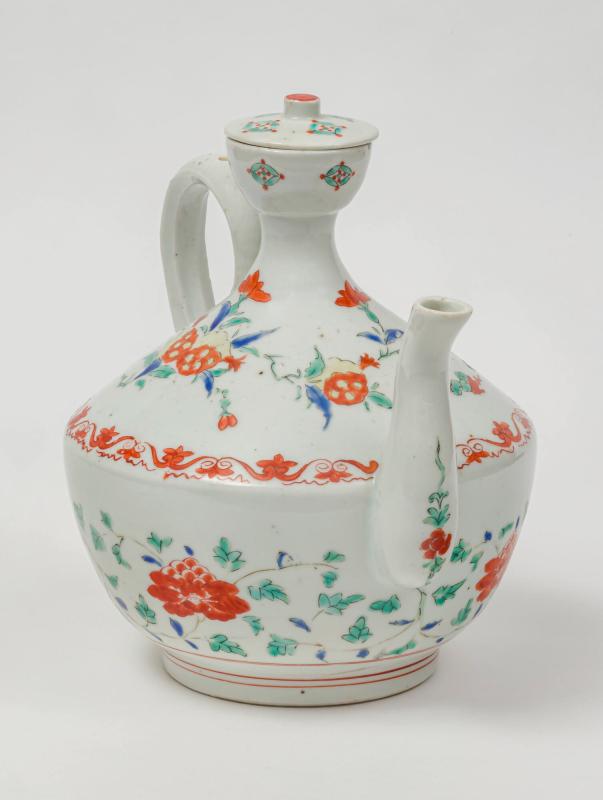
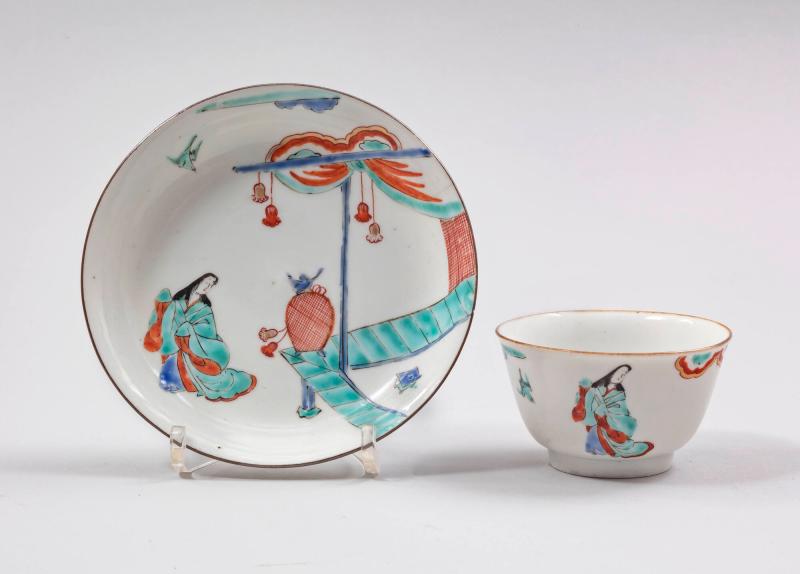
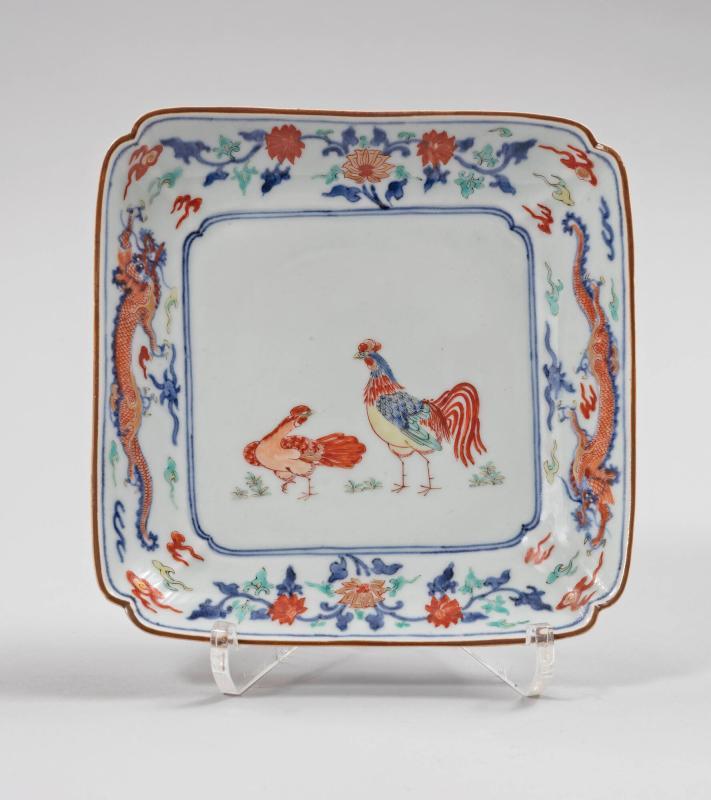
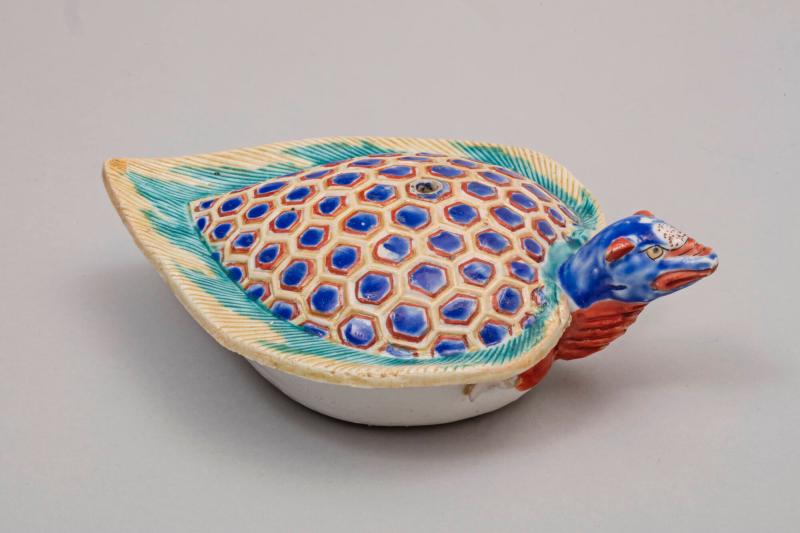
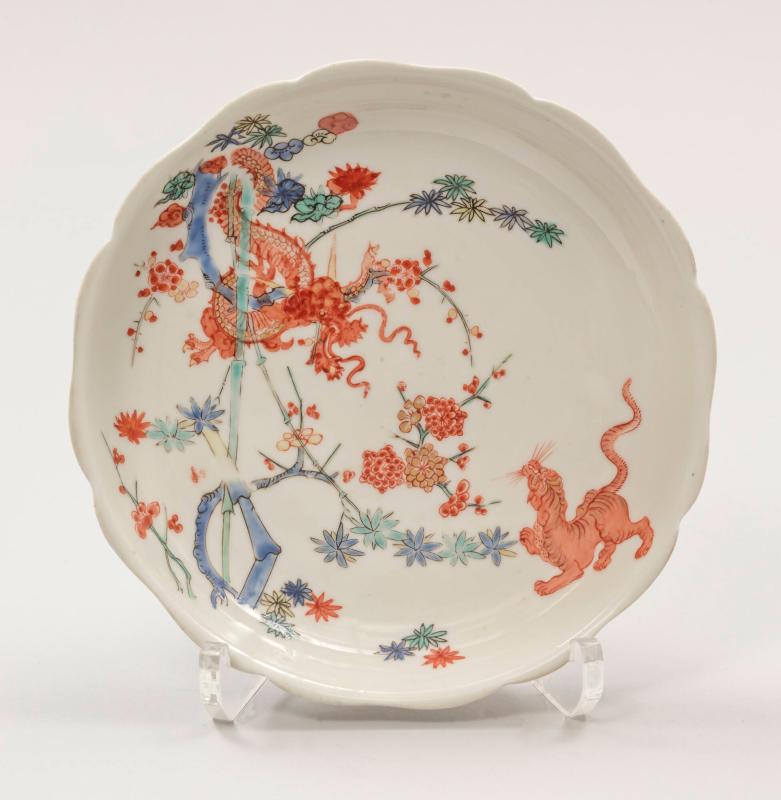
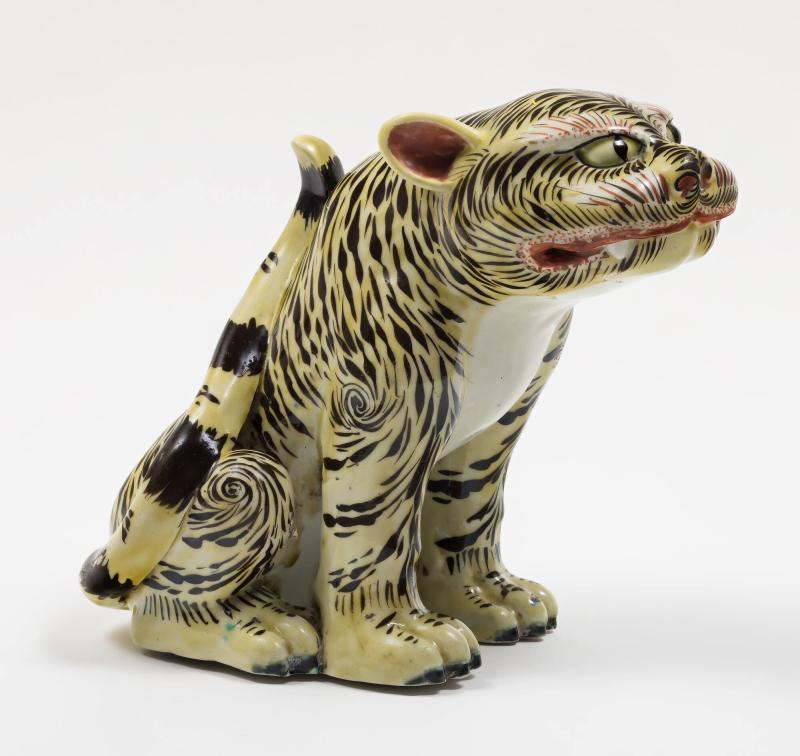
Kakiemon-type porcelain is a major focus of the Macdonald Collection. Arita potters made this highly refined porcelain decorated with vibrant colours primarily as an export commodity for markets in South East Asia and Europe. The height of production spans from the 1670s to the 1690s, coinciding with the tail-end of Japan’s trade in porcelain with the Dutch East India Company.

0

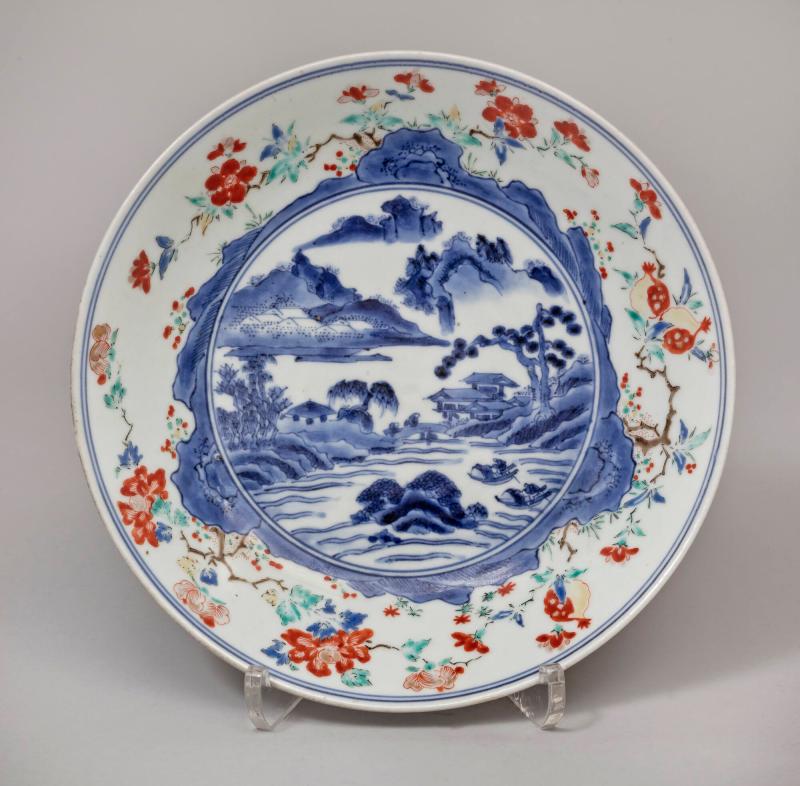
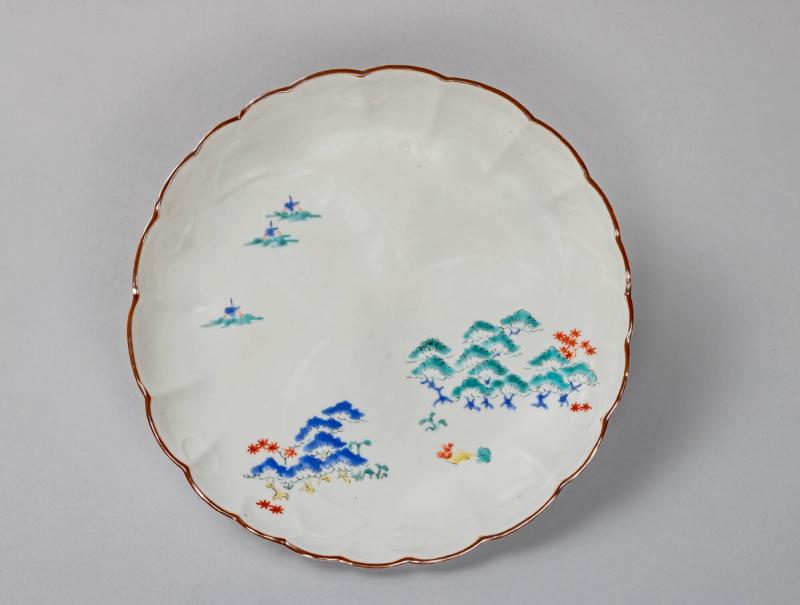
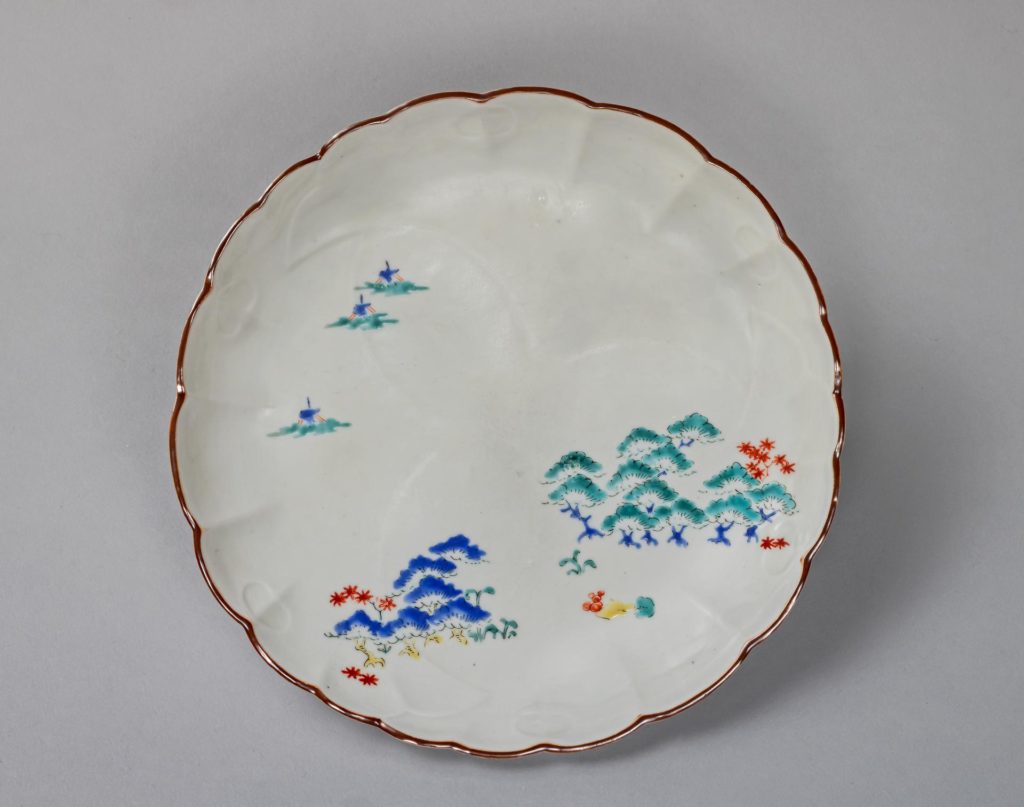
Dish with pines and boats Japan, Hizen, c. 1670–90 Porcelain with overglaze enamels and iron-oxide brown The Macdonald Collection

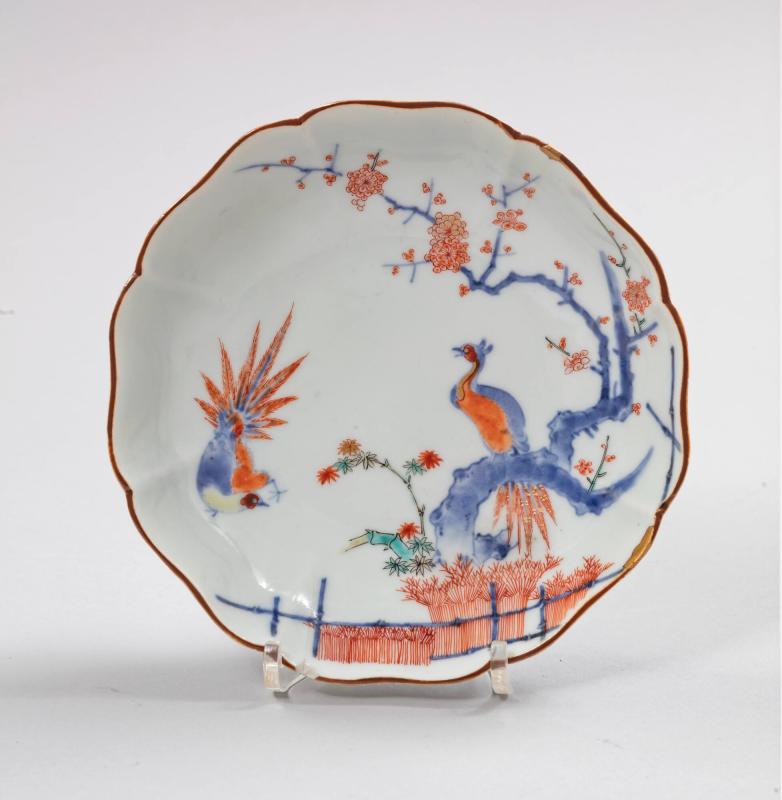
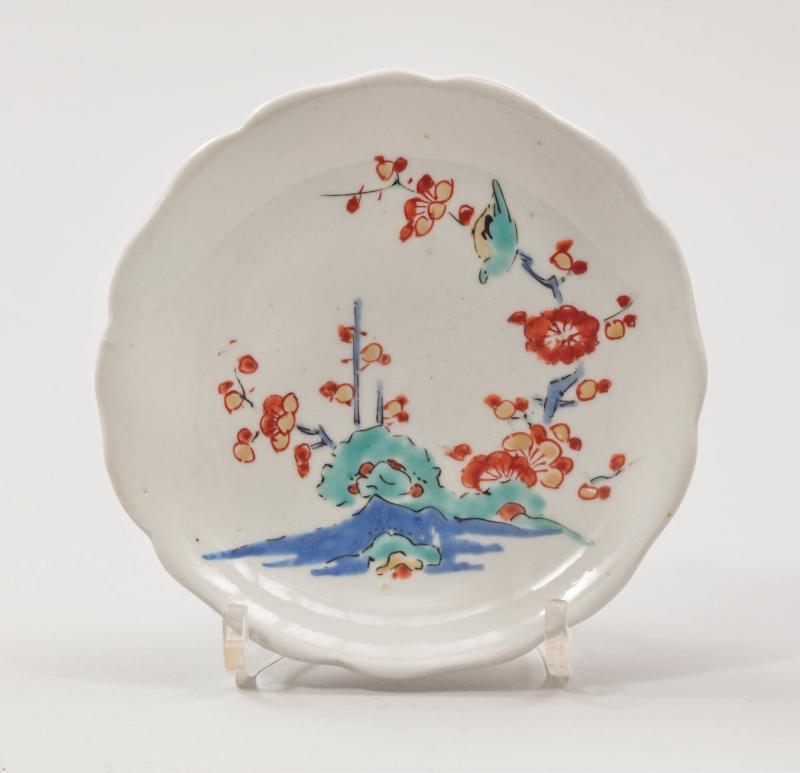
What we designate as “Kakiemon porcelain” was introduced in the 1670s by the Kakiemon clan of potters-enamellers who operated a workshop in Nangawara, Arita. The dish with pines and boats embody Kakiemon’s main characteristics: a creamy white body devoid of impurities (known as nigoshide); sparse and asymmetrical decoration; and the use of overglaze colours including orange-red, green, blue, and yellow.

1Discover more about the dish with pines and boats
0
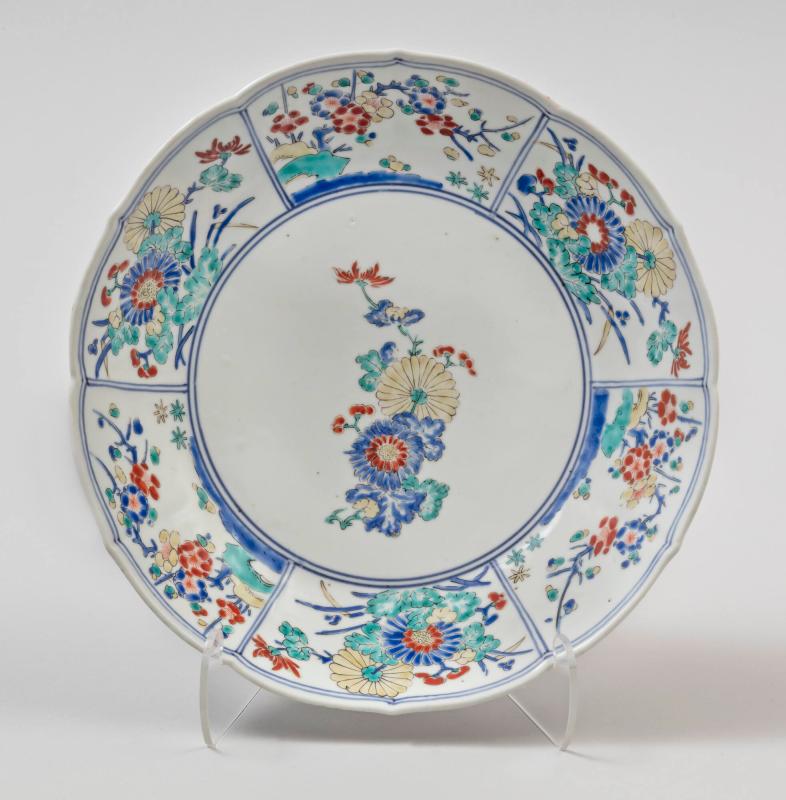
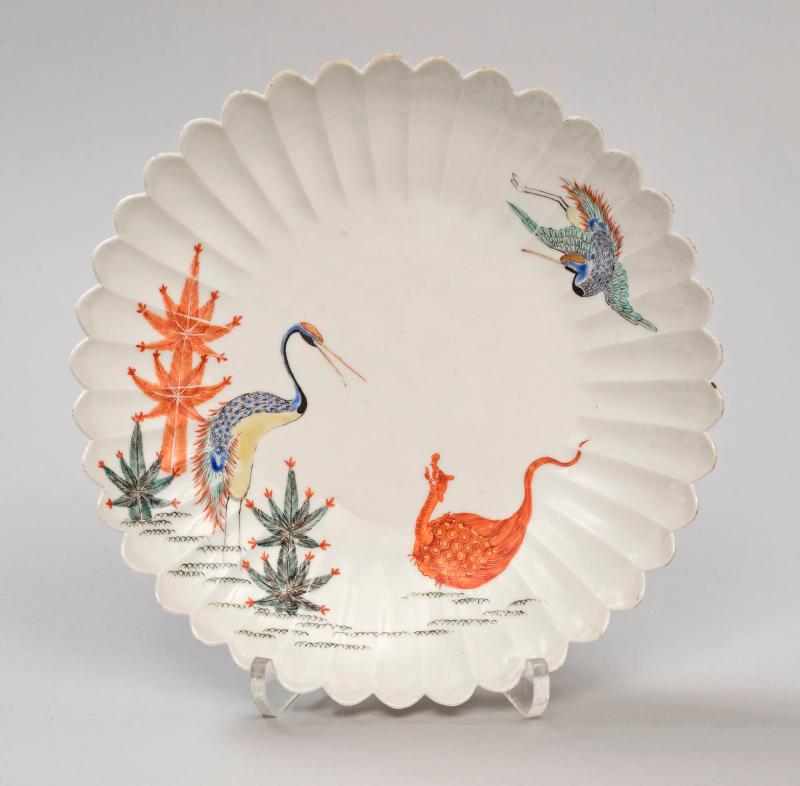
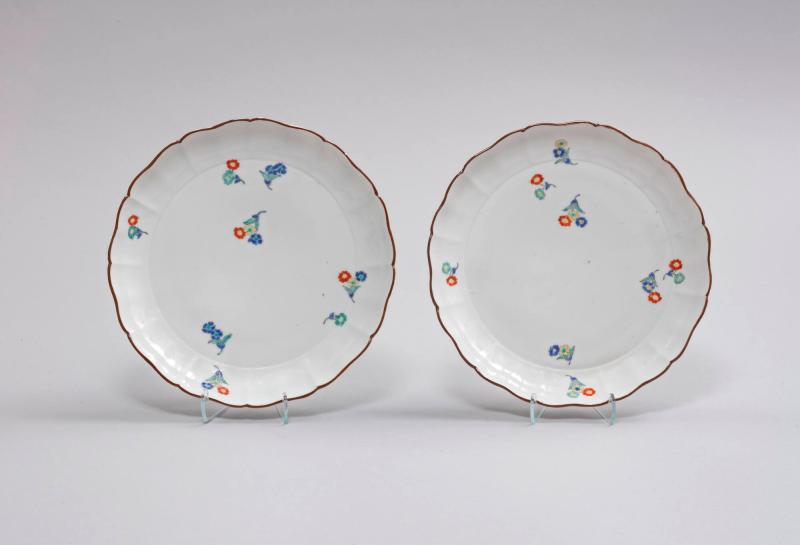
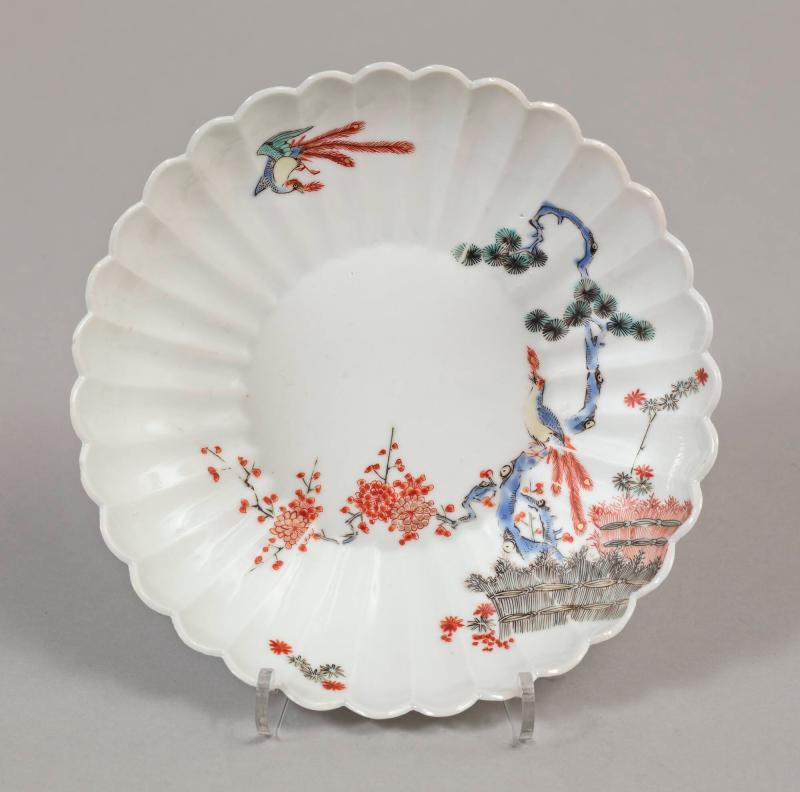
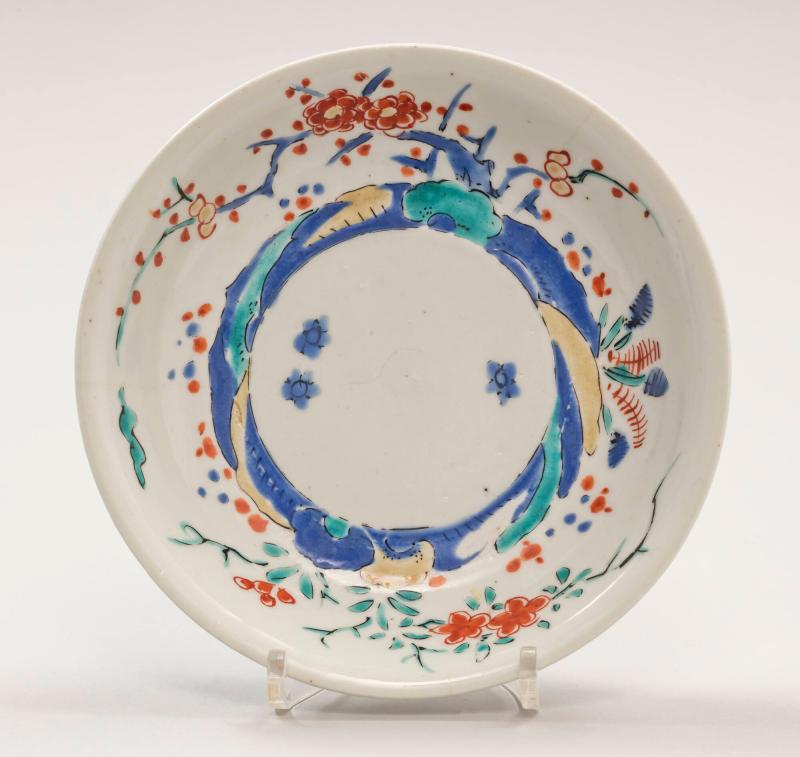
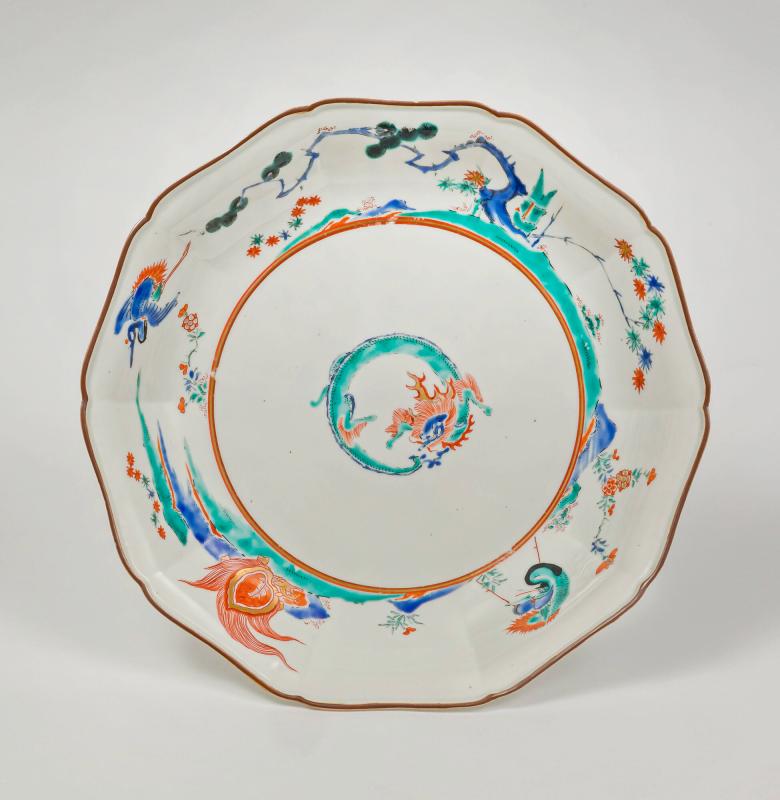
Foliated Dish

Foliated dish, Japan, Hizen, c.1670-1690s, Porcelain with overglaze enamels. The Macdonald Collection

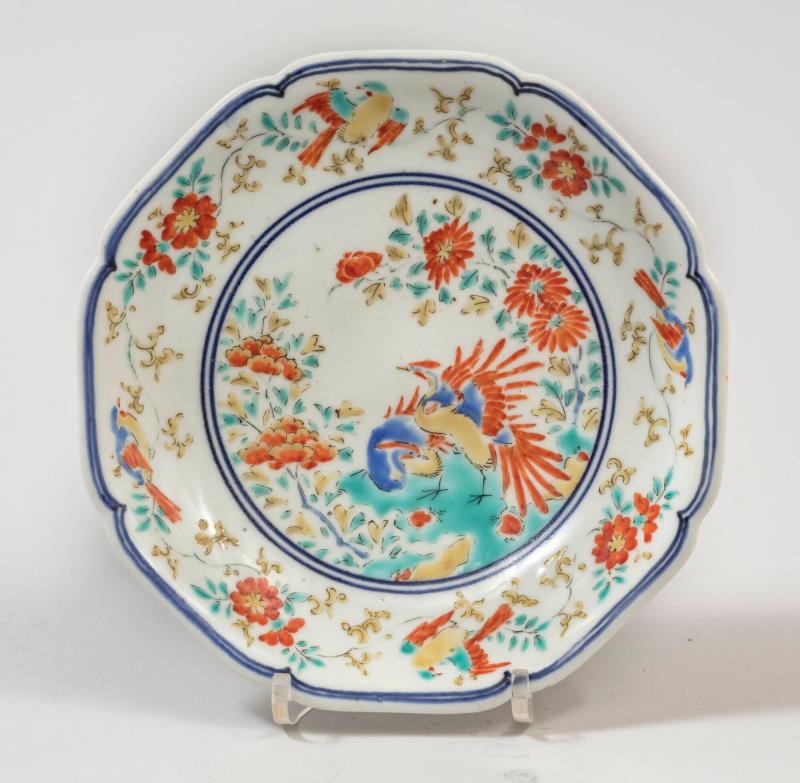
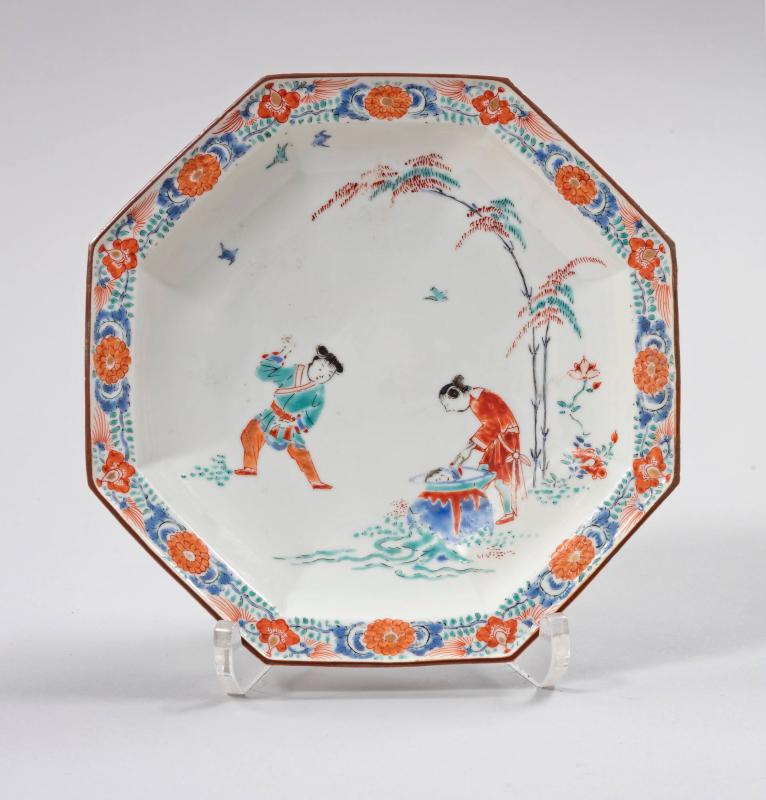
Dish with two people

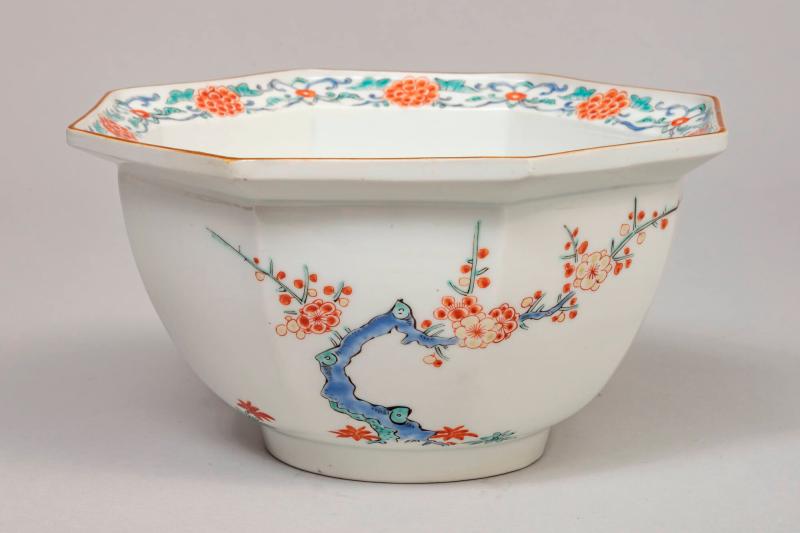
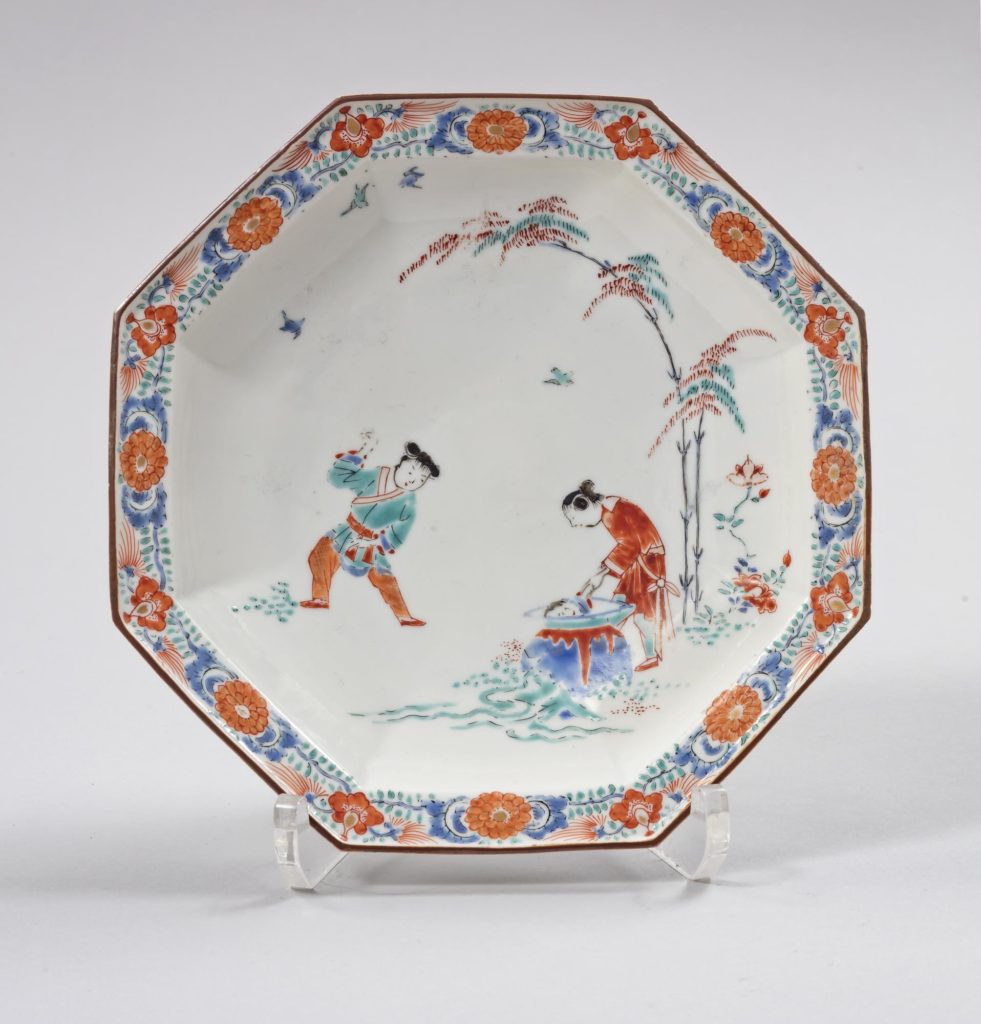
Octagonal dish with Shiba Onko, Hizen, Japan, c.1670-1690, Porcelain with overglaze enamels. The Macdonald Collection

Given the high demand for Kakiemon wares on the export market, competing kilns imitated its characteristic colour palette and designs. These pieces known as “Kakiemon-style” wares, contributed to the broad dissemination of Kakiemon imagery. Motifs from nature and animals dominate, along with a small repertoire of figurative scenes, such as the popular story of Shiba Onko.
0
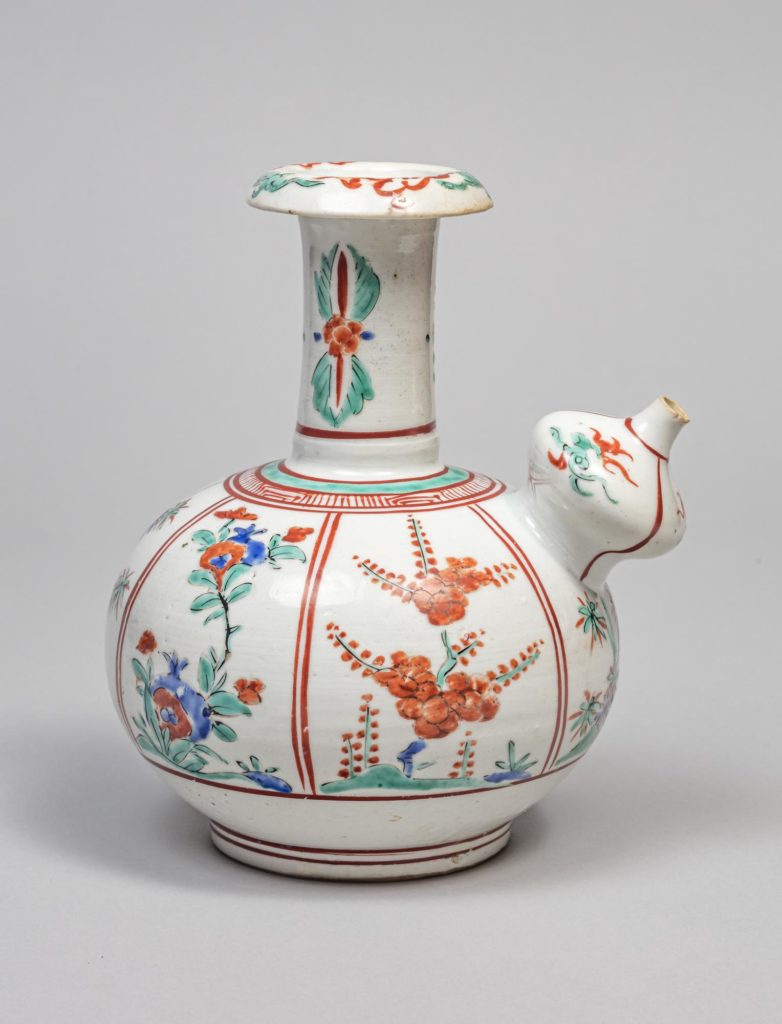
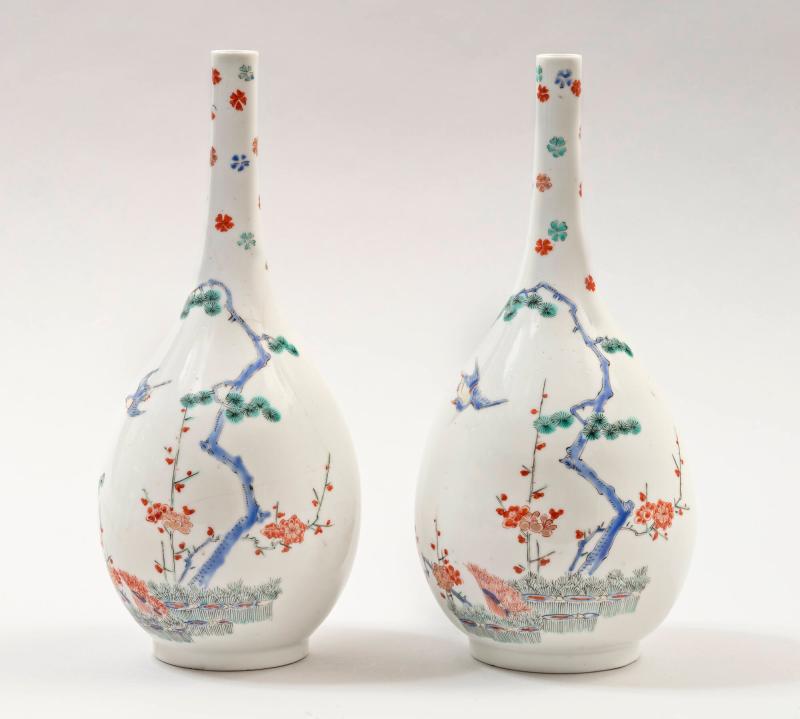
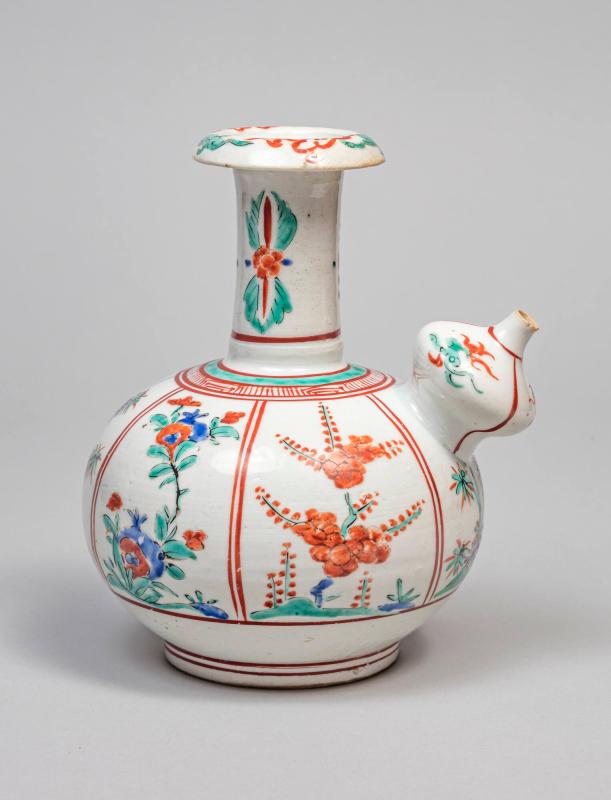
Kendi vase, Japan, Hizen

Kendi, Japan, Hizen, 1675–1685, Porcelain with overglaze enamels, The Macdonald Collection

Arita potters once more responded to the demand of specific markets through non-Japanese object types. Such is the case with the kendi, a type of vessel with a round body and short spout on the shoulders, employed in various parts of South East Asia. The kendi held versatile functions. It was used in religious cleansing rituals in Hindu and Buddhist ceremonies as well as in secular occasions as a communal drinking vessel.

0
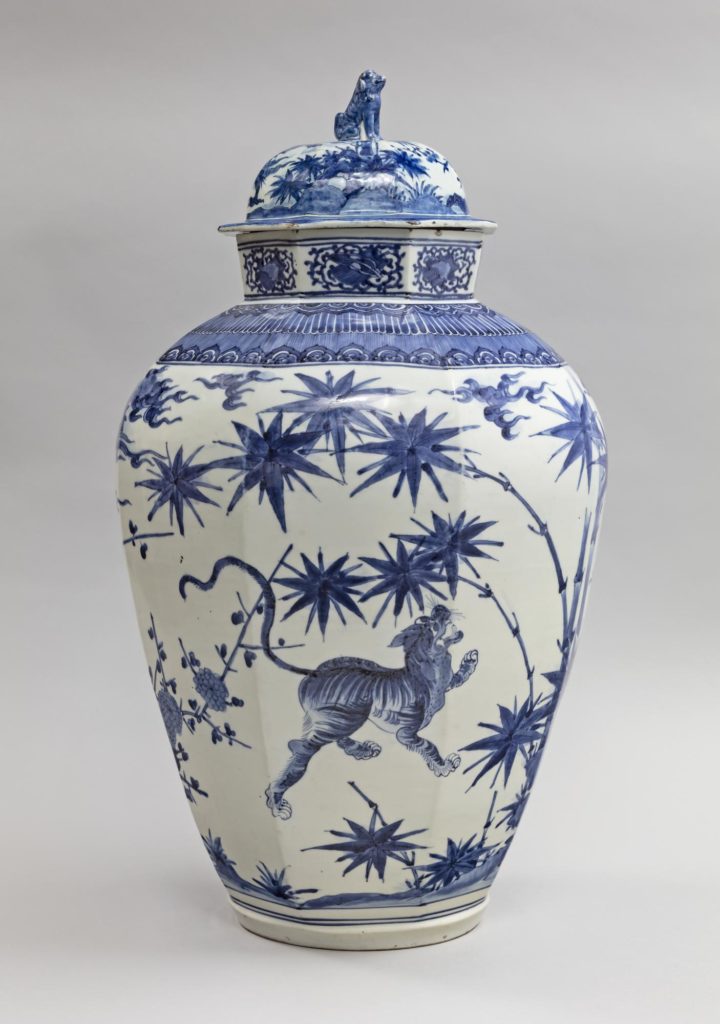
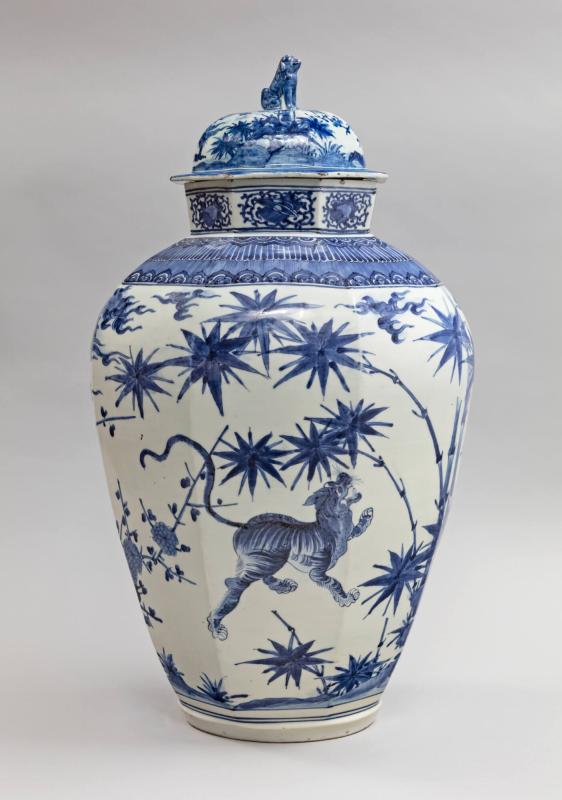
Covered vase with dragon and tiger, Japan, Hizen

Covered vase with dragon and tiger, Japan, Hizen, c. 1680–1700; lid made in Delft, the Netherlands, 18th century. Porcelain with underglaze cobalt blue (vase), and tin-glazed earthenware (lid). The Macdonald Collection

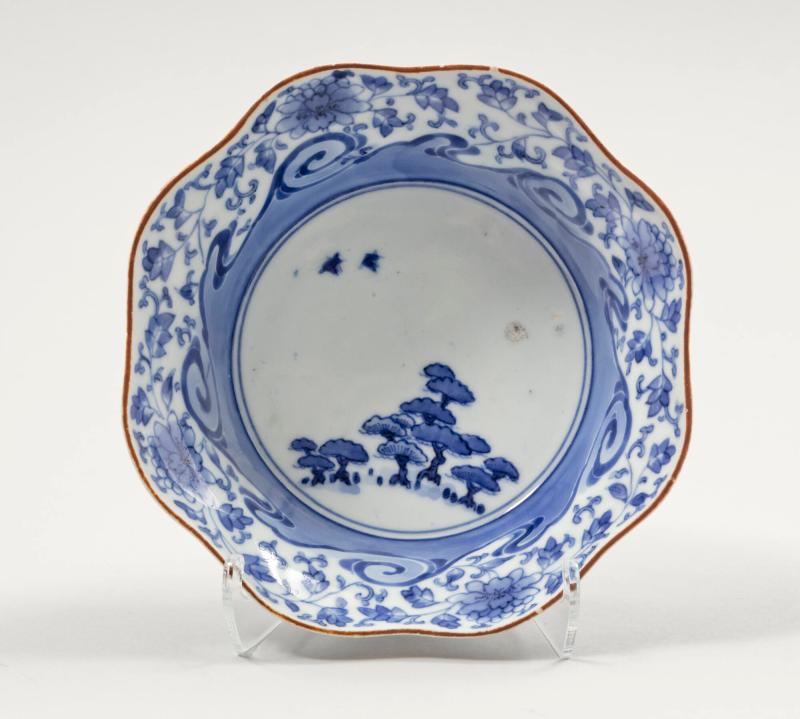
In addition to a specific palette of coloured enamels, Kakiemon-type porcelain can also feature a combination of overglaze enamels and underglaze blue decoration, as well as wares decorated strictly in blue and white, such as this tall vase with a dragon, tiger, and bamboo. Vases of this shape and scale were made for the European market, where they were displayed as part of garnitures (a symmetrical arrangement of vases).

1Discover more about this covered jar
0
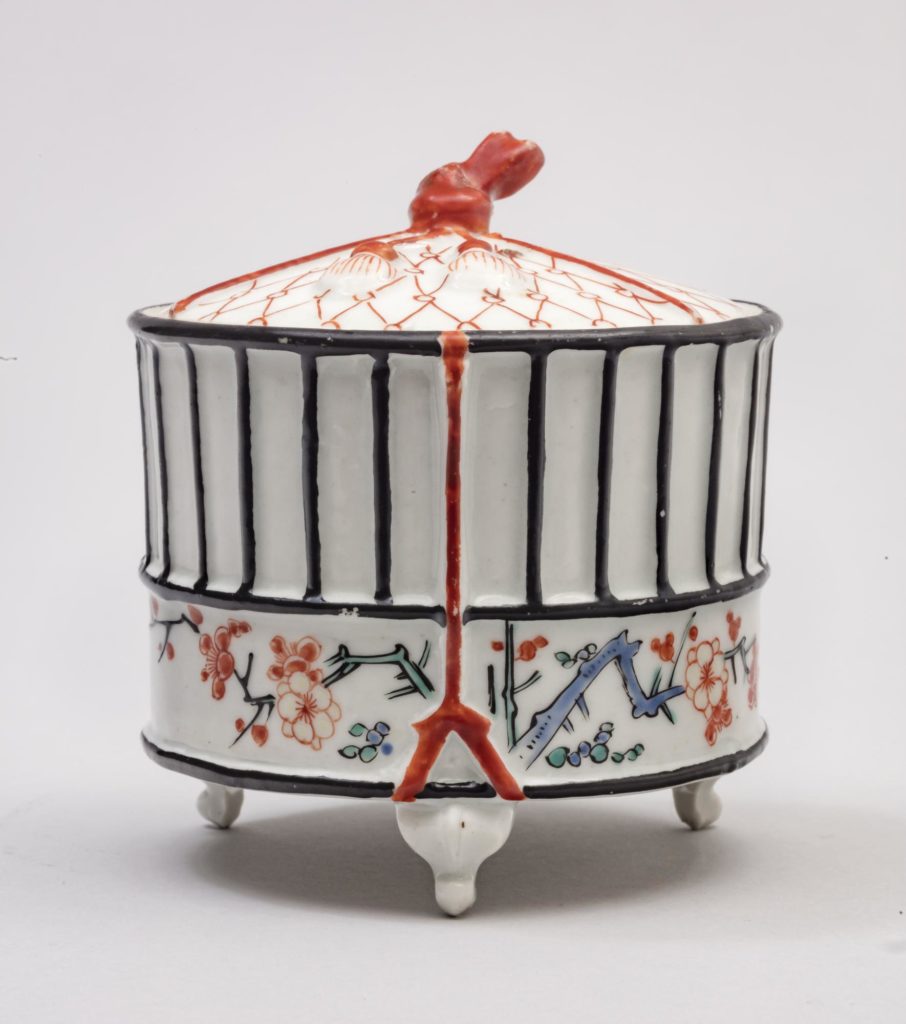
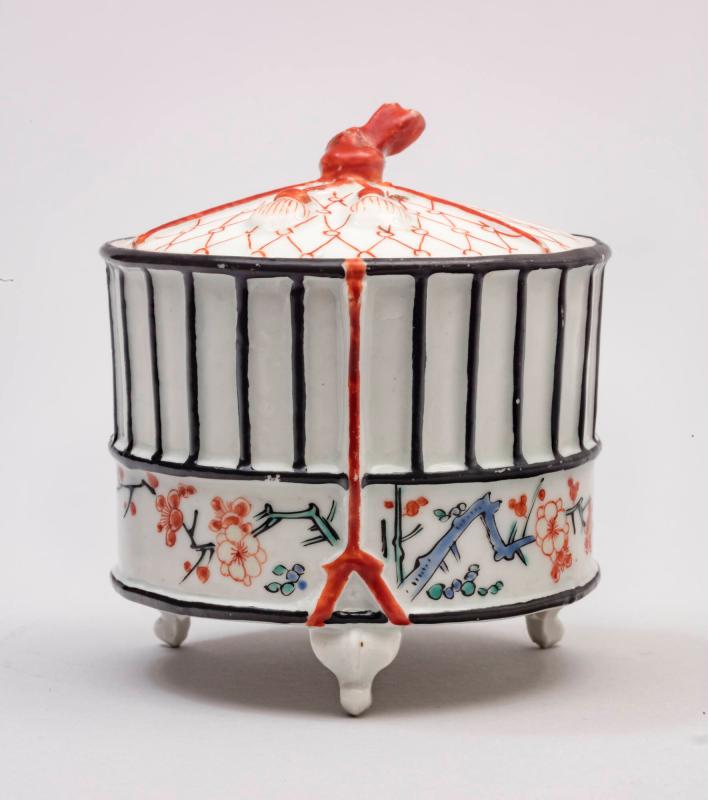
Covered koro (incense burner) in the form of a cricket basket, Japan, Hizen

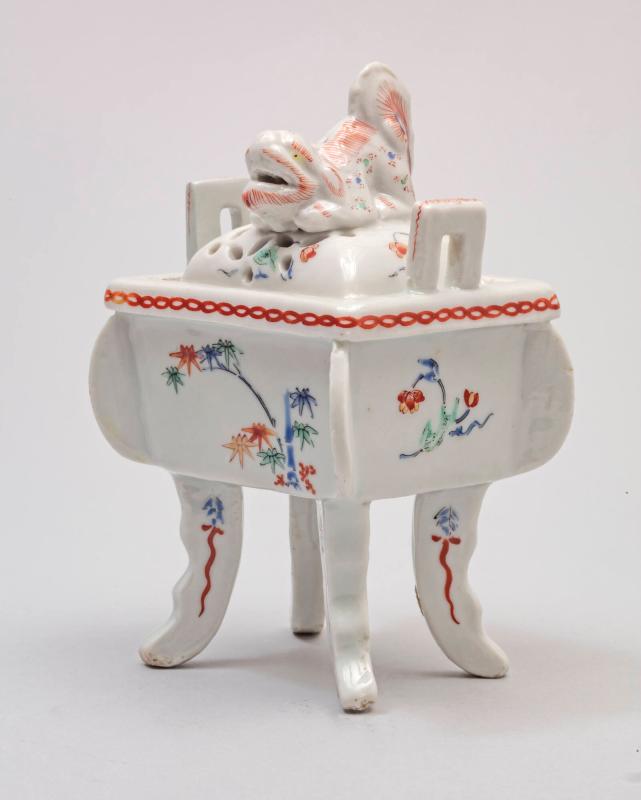
Covered koro (incense burner) in the form of a cricket basket, Japan, Hizen, c.1690-1700, Porcelain with overglaze enamels. The Macdonald Collection

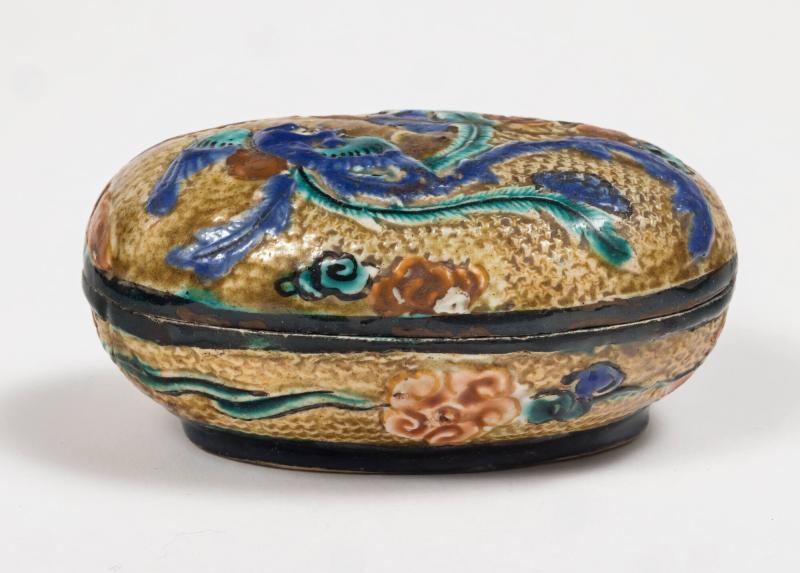
While Kakiemon-type wares were largely made for export, they also found users in Japan, as excavations indicate. This koro (incense burner) shaped like a cricket box could have been used in incense games held during the tea ceremony.

1Discover more about this koro (incense burner)
0
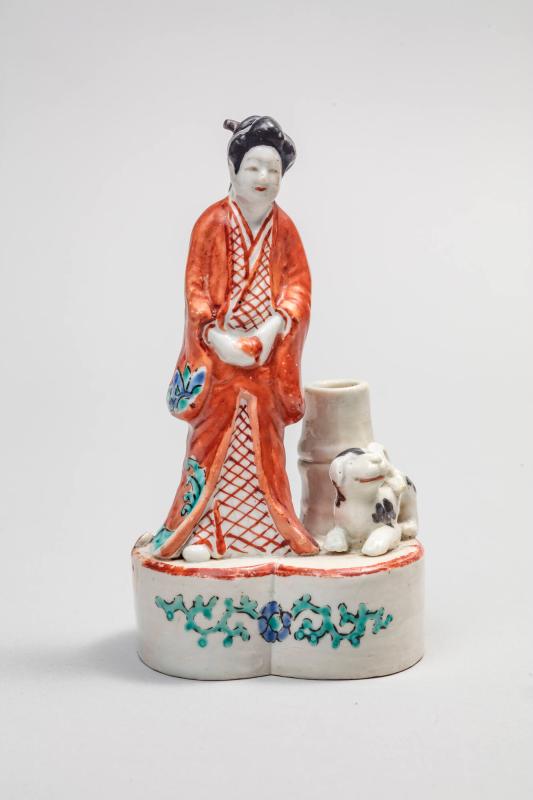
Bijin (Beauty) figure, Japan, Hizen

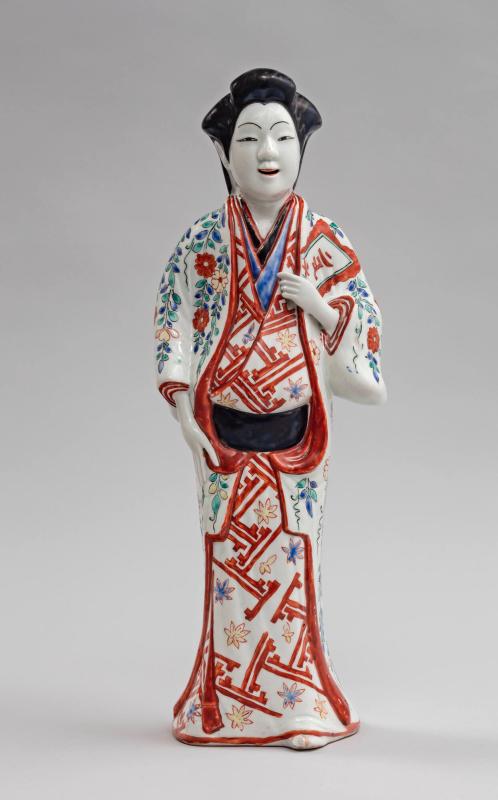
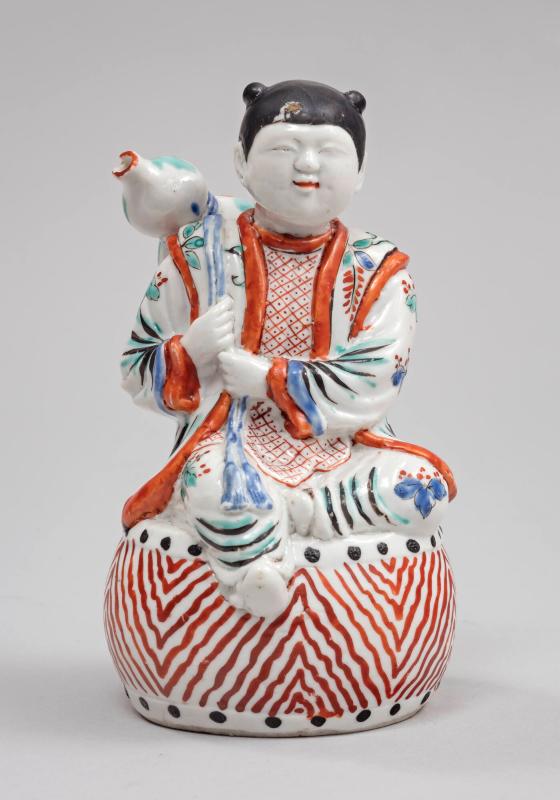
Bijin (Beauty) figure, Japan, Hizen, c. 1680–1700. Porcelain with overglaze enamels. The Macdonald Collection

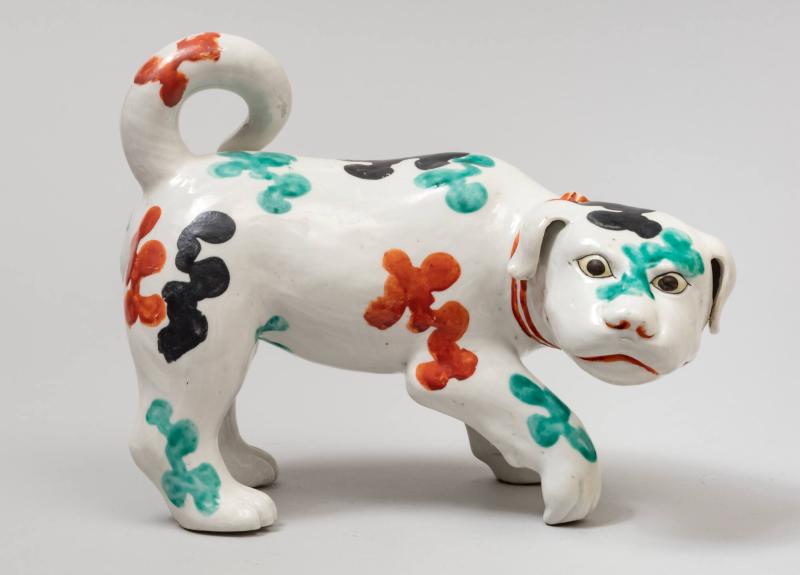
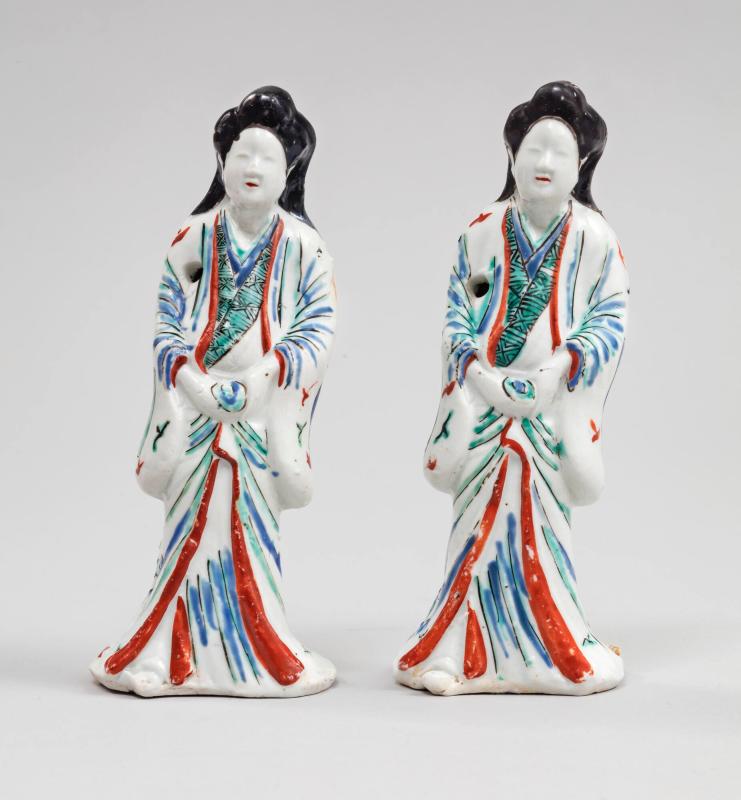
A range of small-scale sculptures featuring animals and human figures were perhaps first introduced as items for local consumption before becoming export commodities. The bijin (beauty) was one of the most popular and refined type of porcelain figure produced.


1Discover more about this bijin (beauty)
0
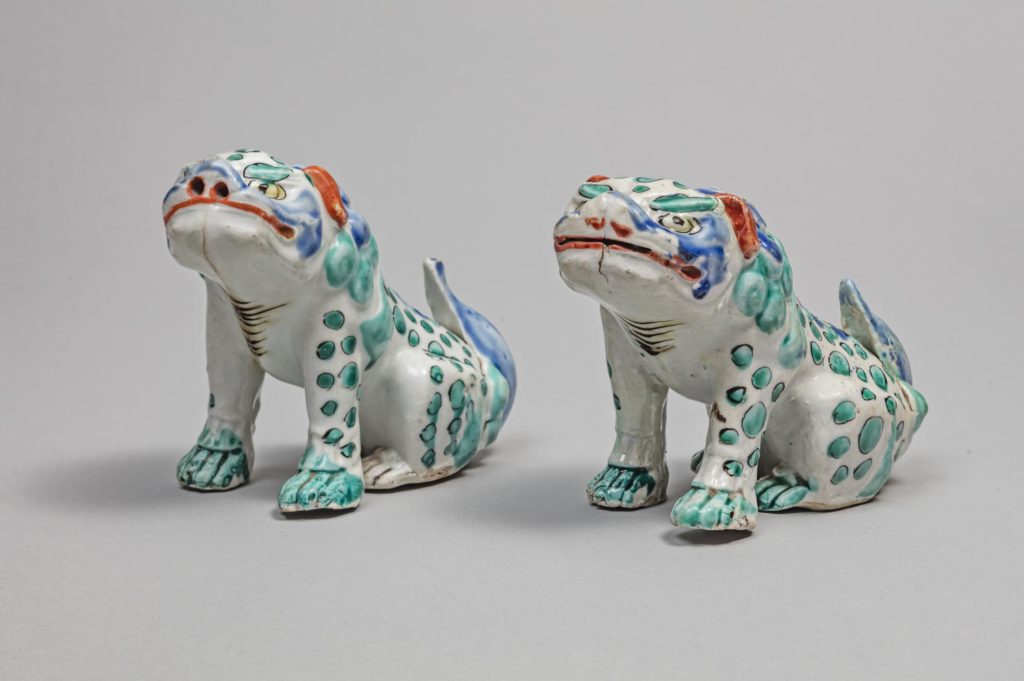
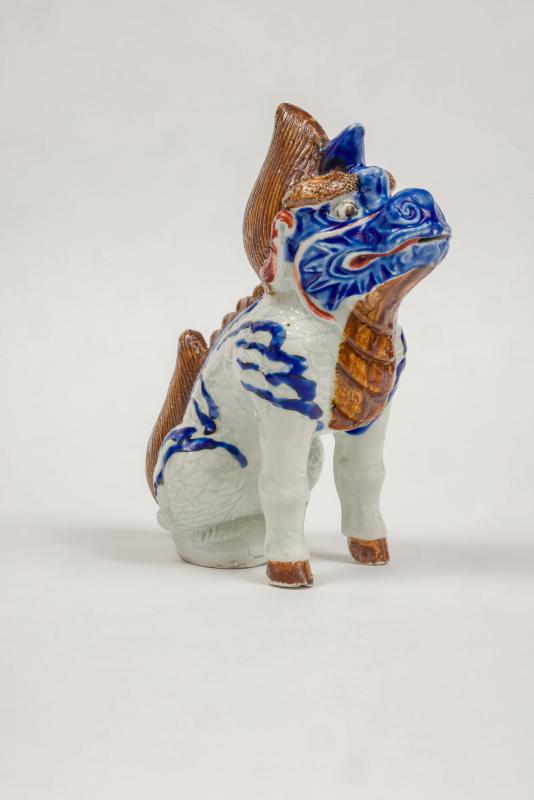
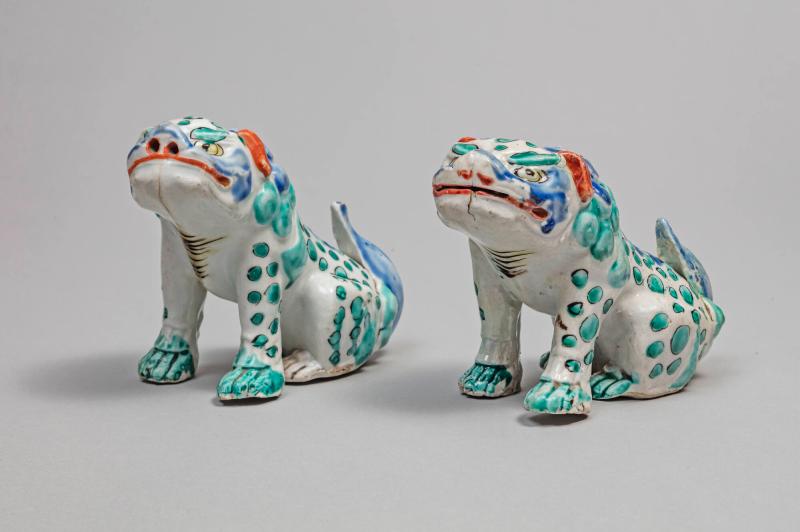
Pair of shishi (lion-dogs) Japan, Hizen

Pair of shishi (lion-dogs) Japan, Hizen, c. 1680 Hard-paste porcelain with overglaze enamels The Macdonald Collection

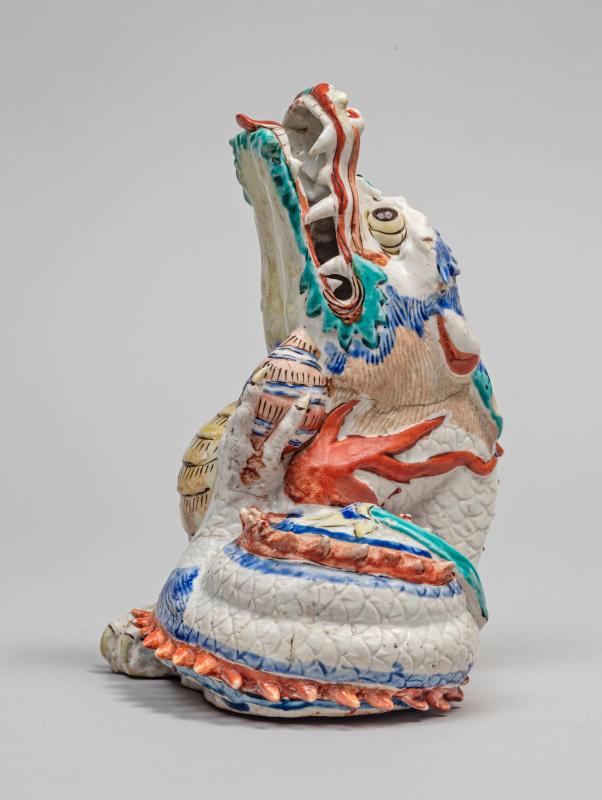
In Europe, Kakiemon-type porcelain became one of the most highly regarded types of ceramics. While avidly collected by wealthy Europeans, the admiration it spurred also led to imitations by the new porcelain manufactories until the end of the 18th century.

1Discover more about these Shishi