Kakiemon in 19th-Century France

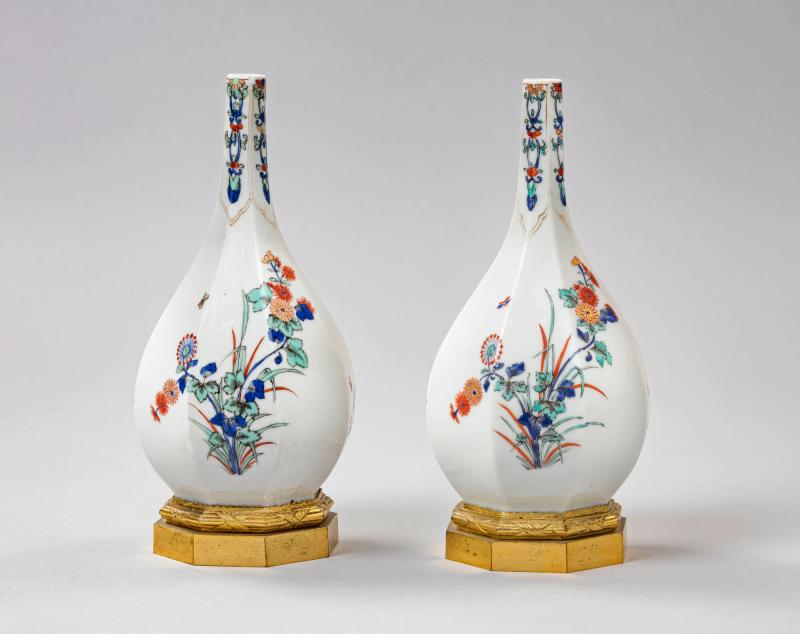
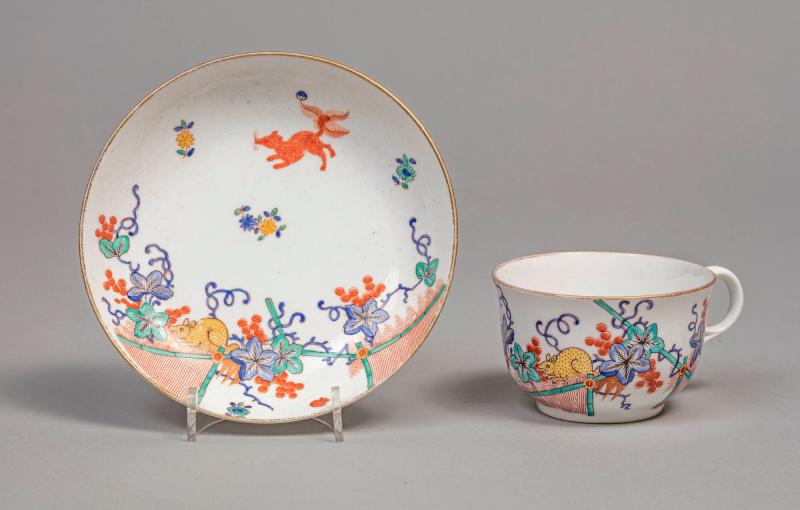
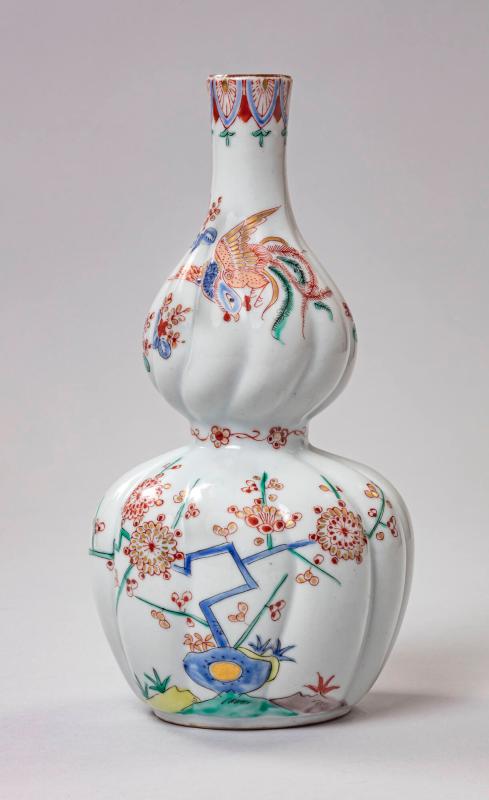
The Kakiemon style was revived in the mid-19th century, after Japan ended a long period of isolation with the West. This led to a surge of popularity for Japanese art and culture in Europe and America. In France, the firm Edmé Samson et Cie created copies of Kakiemon porcelain in response to this new demand.

0
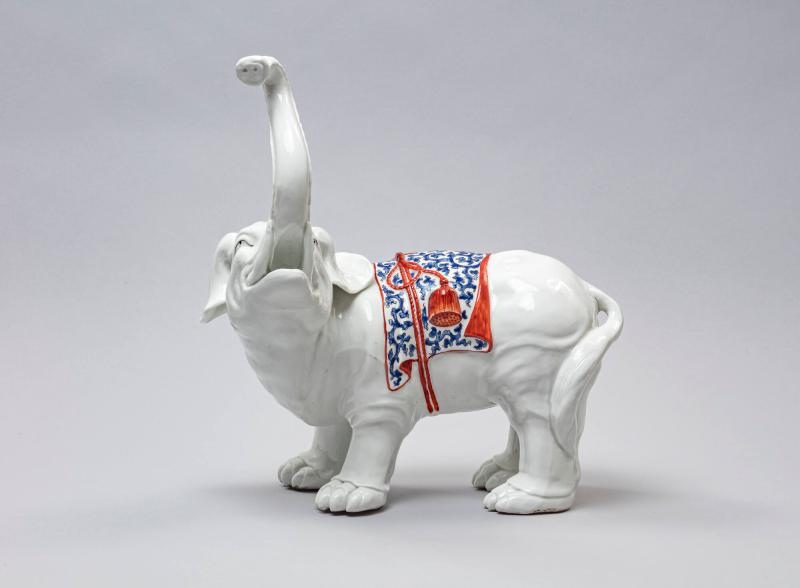
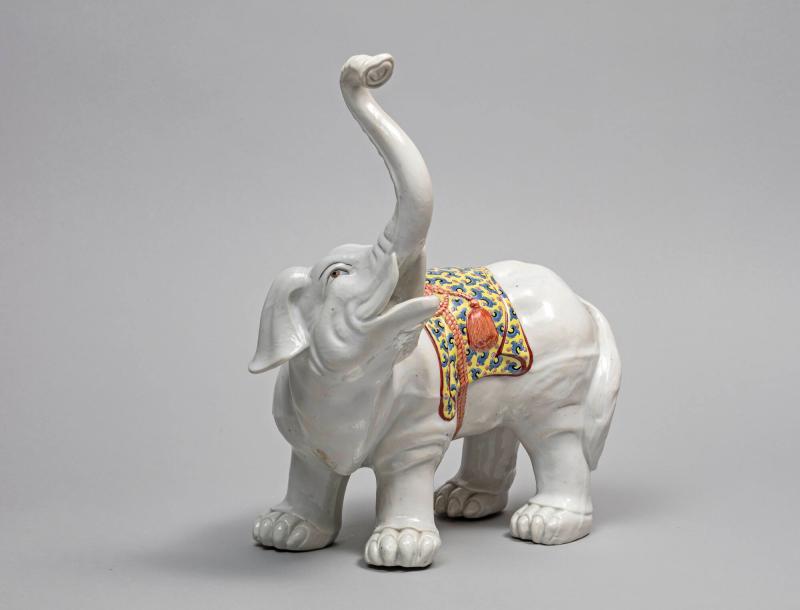
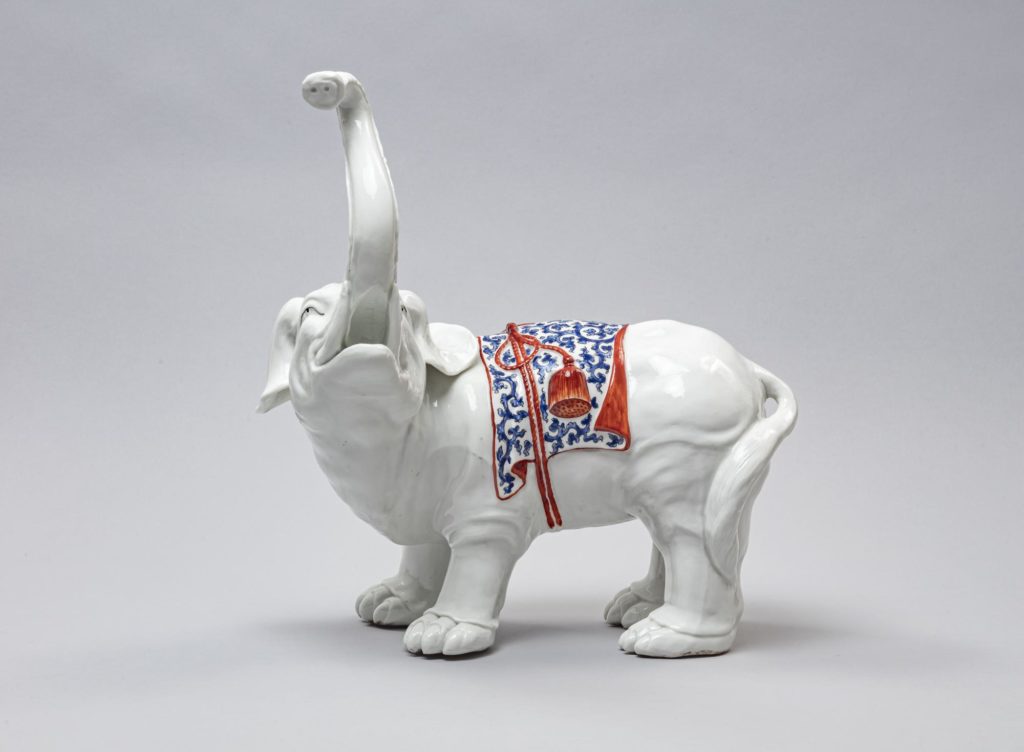
Elephant after a Japanese original, France, Samson Edmé & Cie

Elephant after a Japanese original, France, Samson, Edmé & Cie, c. 1850–90. Hard-paste porcelain with overglaze enamels. The Macdonald Collection

Edmé Samson founded the firm in Paris, in 1845, in the midst of a revival of historical styles. Samson specialized exclusively in the reproduction of works in museums and private collections, including 18th-century European porcelain and Asian ceramics from various periods. Samson’s trumpeting elephant thus copies a Japanese Kakiemon figure made in the late 17th century.

0
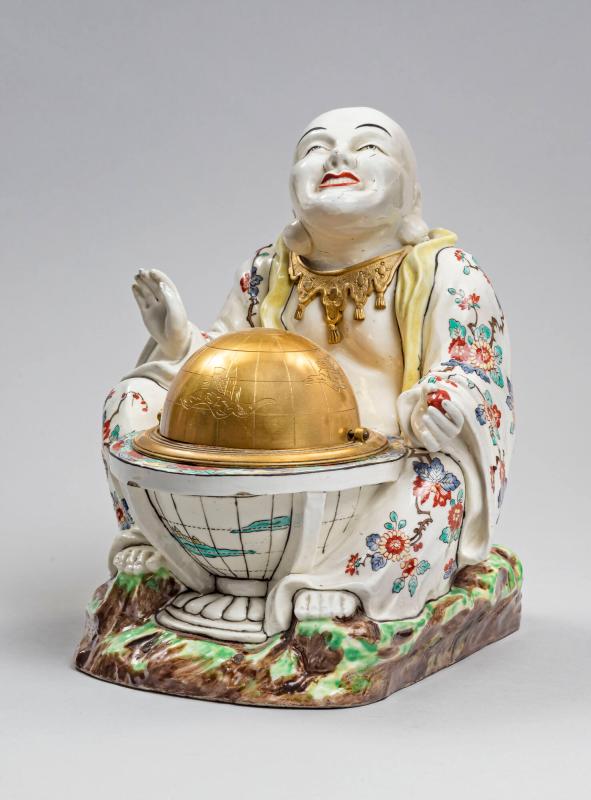
Magot, after a French Original

Magot, after a French original, France, Samson, Edmé et Cie, c.1850-1900, Hard-paste porcelain with overglaze enamels, gilding; gilt metal mount. The Macdonald Collection

The copy of French originals, and especially Chantilly porcelain, represent an important part of Samson’s output. This so-called magot figure is one example, highlighting a complex chain of interpretation. Such figures evoking the Chinese Buddha were made in 18th-century France as a synthesis of Japanese and Chinese sources.

0
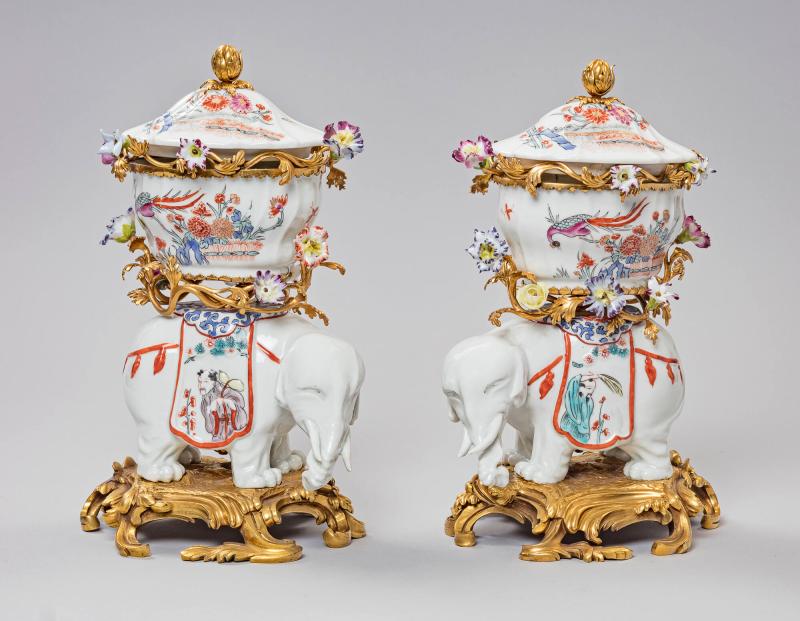
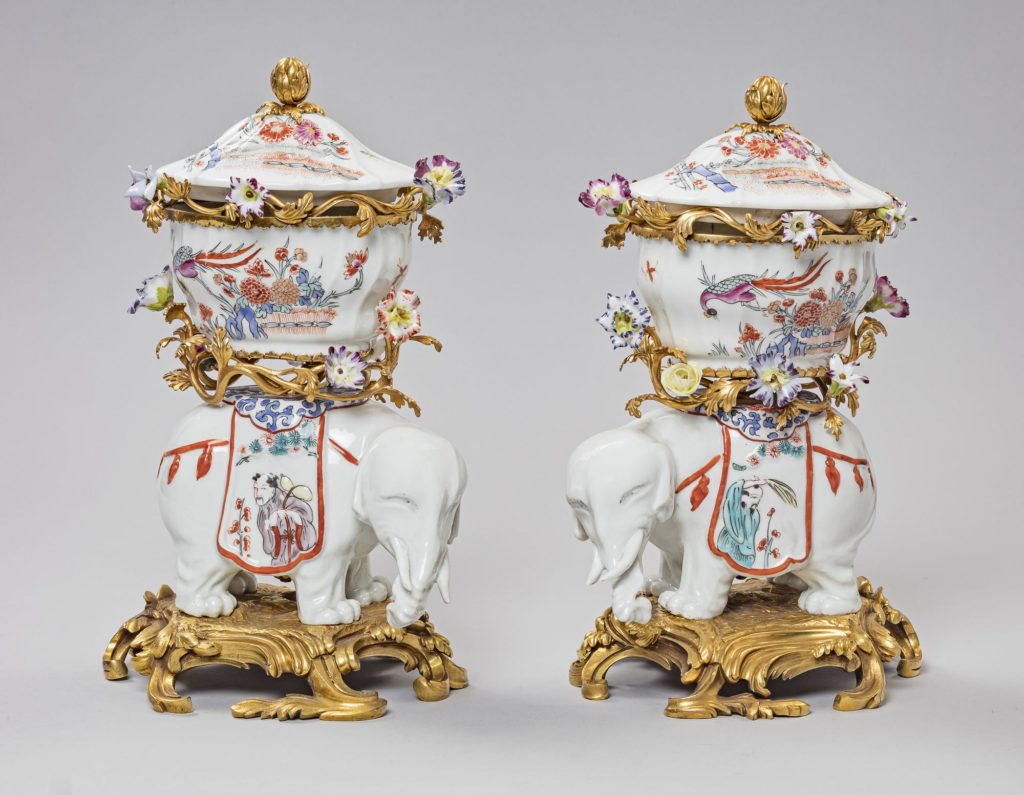
Pair of elephant potpourris France, Samson Edmé & Cie

Pair of elephant potpourris France, Samson, Edmé & Cie, c. 1850–1900 Hard-paste porcelain with overglaze enamels The Macdonald Collection

The factory also created works best described as pastiches that evoke 18th-century fashions. Such is the case with this pair of elephants supporting potpourri containers elaborately mounted in ormolu.

1Discover more about these potpourri containers
0
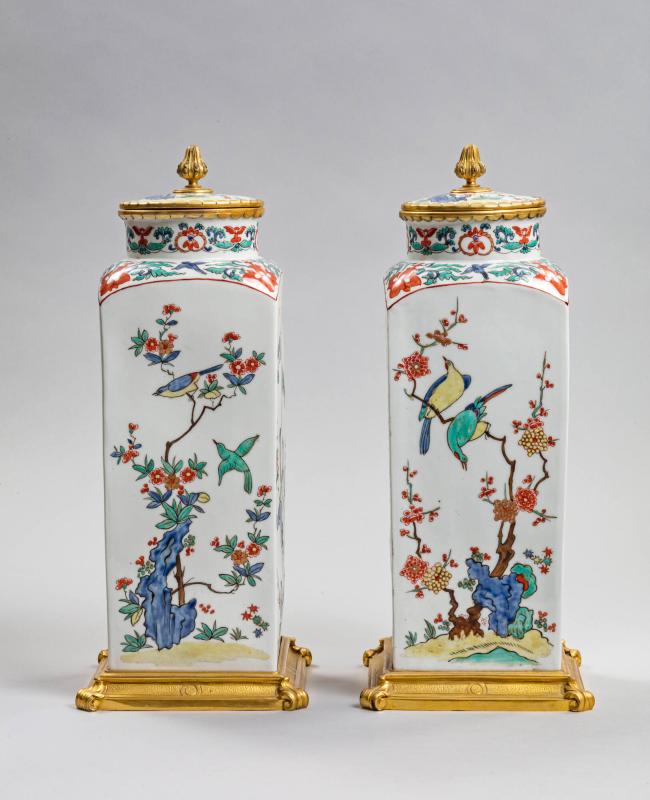
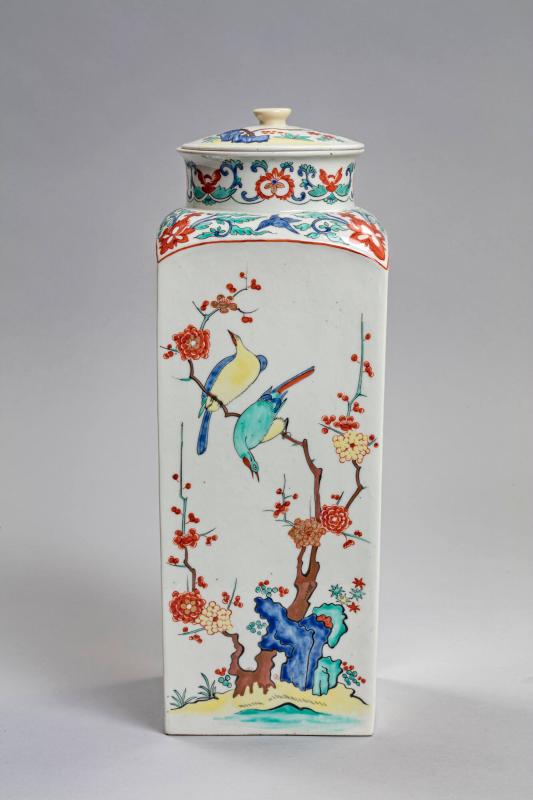
Pair of covered vases

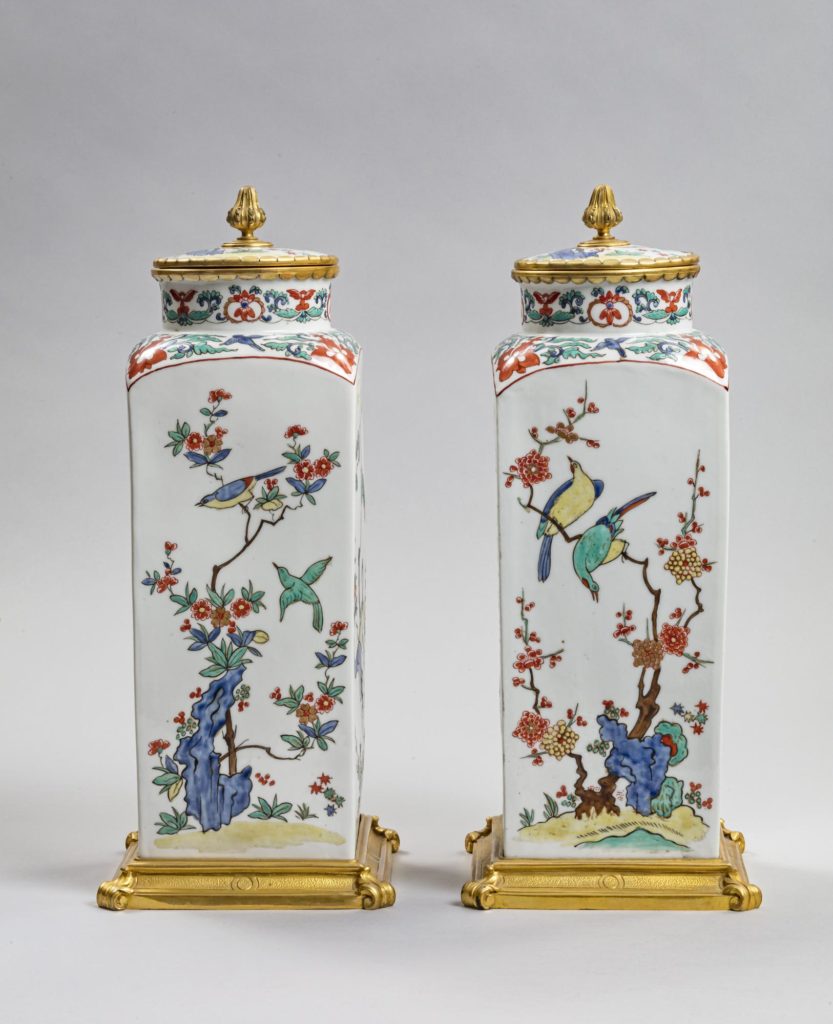
Pair of covered vases, France, Samson, Edmé et Cie, 19th century, Hard-paste porcelain with overglaze enamels; gilt-metal mounts. The Macdonald Collection

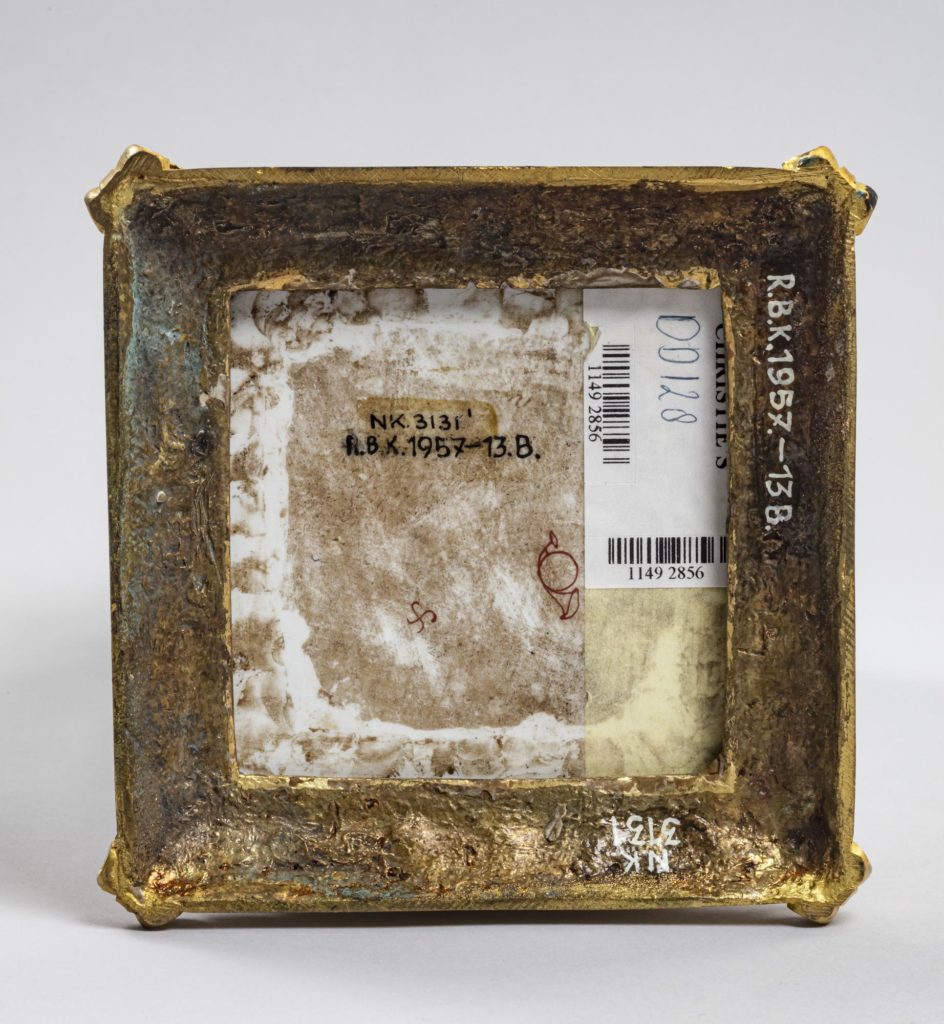
Base of square vase

Imitation Chantilly mark on base of covered vase

Samson’s intentions regarding the production of copies are sometimes unclear. It is widely believed that the factory’s aim was not to deceive, as pieces often show the Samson mark, consisting of interlaced S’s. It is sometimes shown in combination with the mark of the factory it imitated; it appears with Chantilly’s hunting horn on this pair of square vases. However, some objects only feature the mark of the original factory, or were left completely unmarked, thus leading to false attributions. It is also possible that marks were removed by an ill-intentioned owner.