The Kakiemon Style in the Netherlands

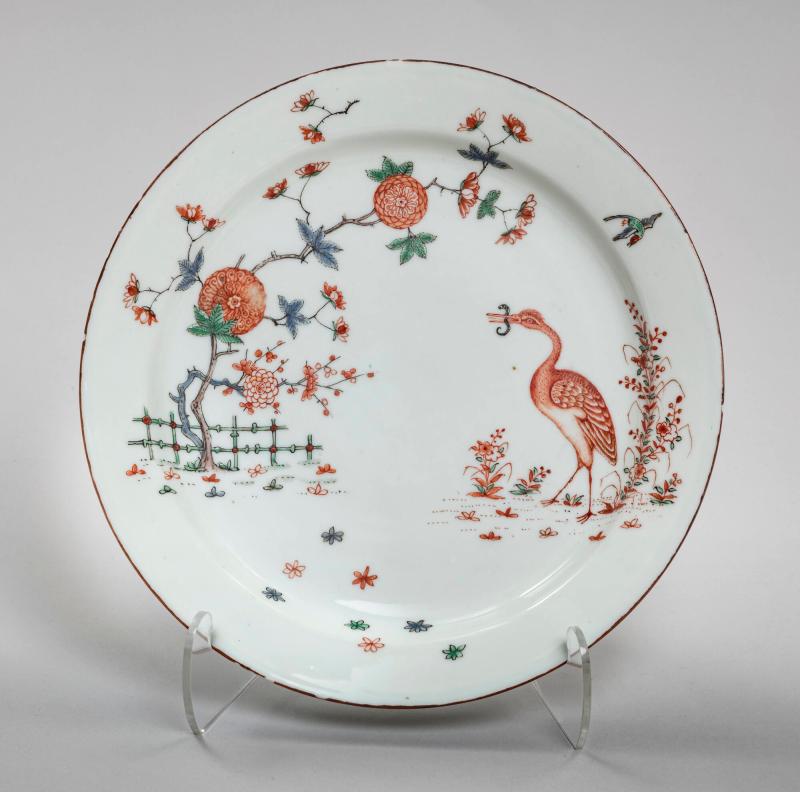
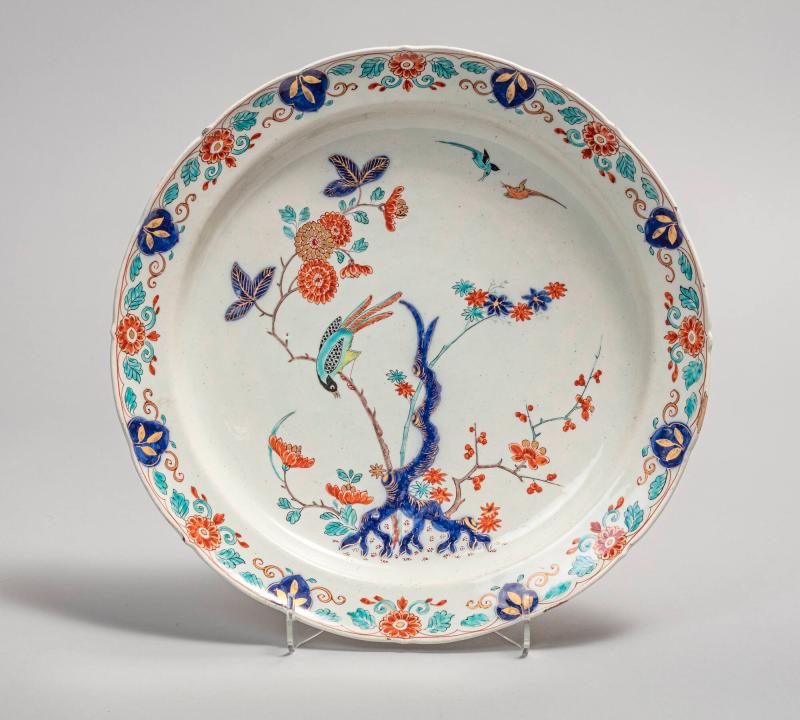
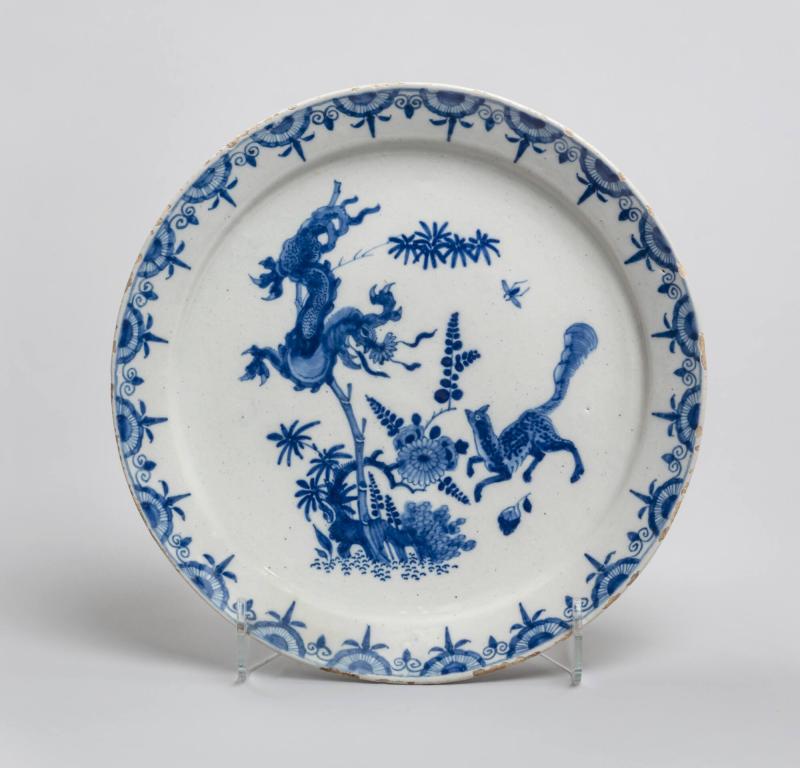
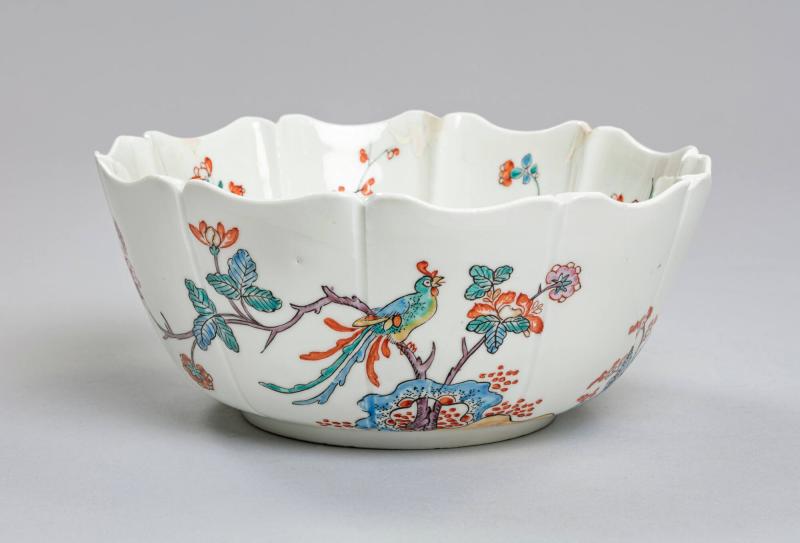
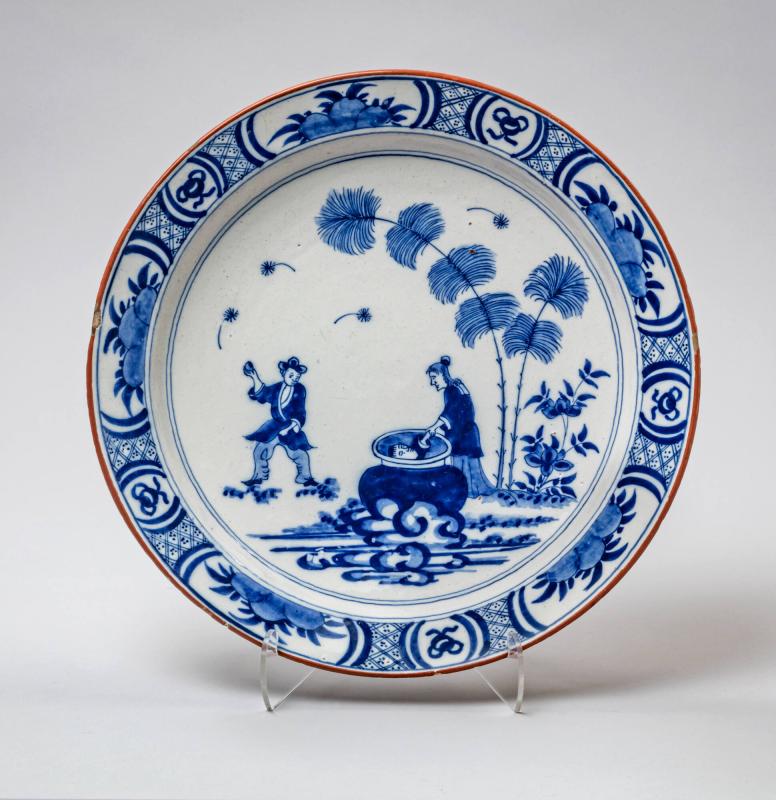
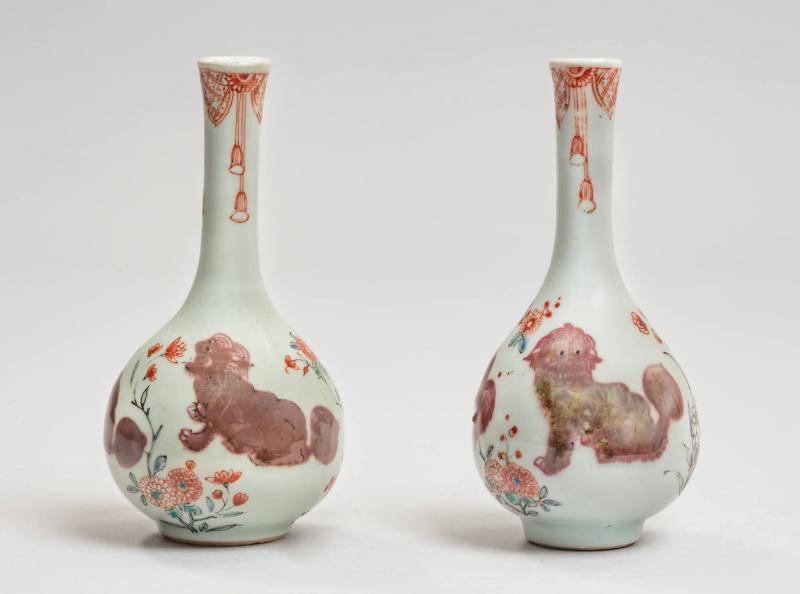
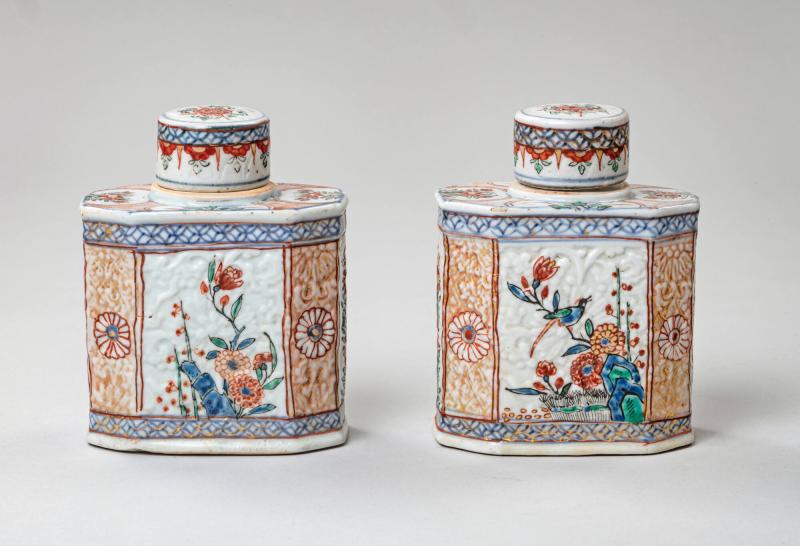
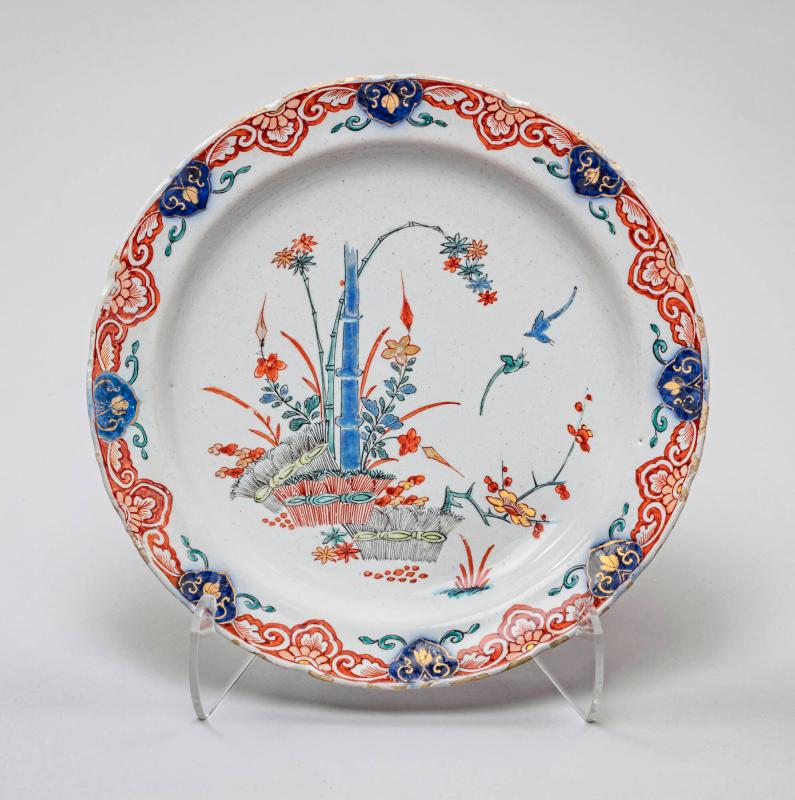
Japanese Kakiemon porcelain first reached Europe in the 1670s through the Dutch East India Company. The Netherlands was then the only European nation allowed to trade directly with Japan. Consequently, Dutch potters and independent porcelain decorators were the first to respond to, and disseminate, the unique style.

0
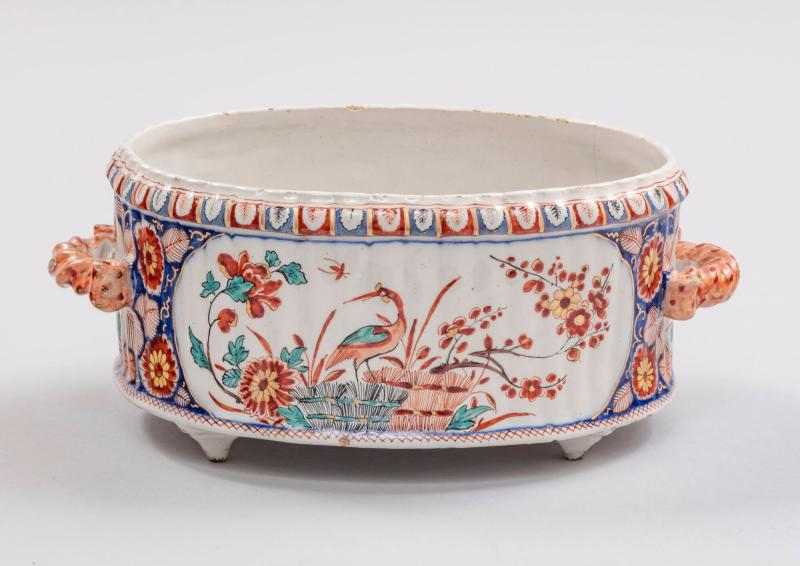
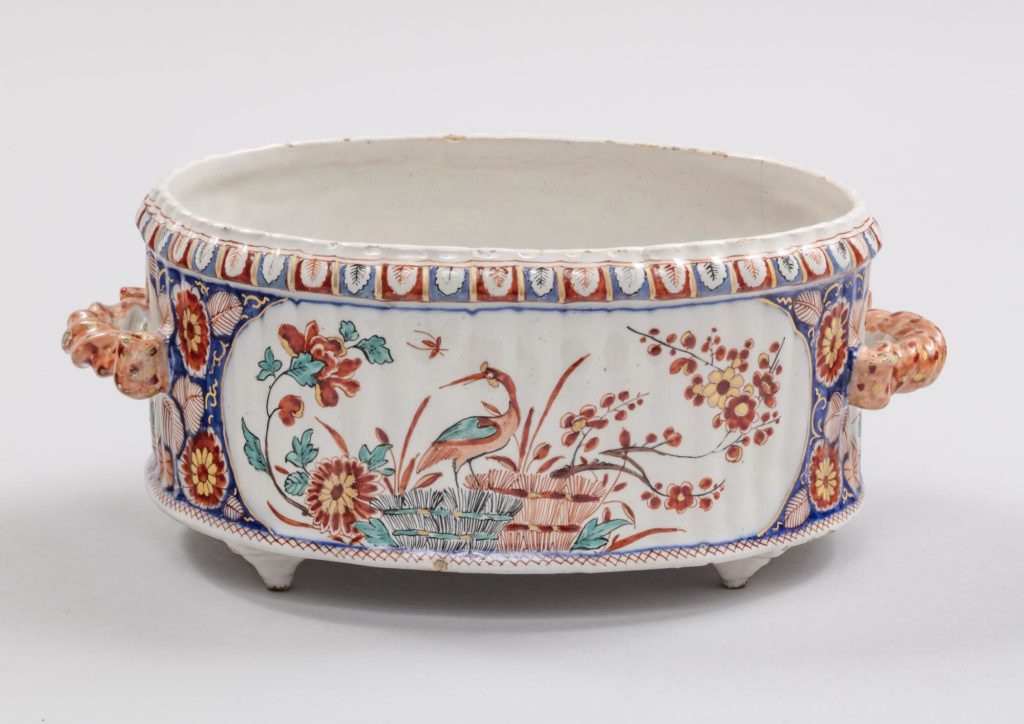
Oval Basin with Japanese Designs

Oval basin with Japanese designs, The Netherlands, Ary van Rijsselberg, c.1720-1730, Tin-glazed earthenware with underglaze blue, overglaze enamels and gold. The Macdonald Collection

The production of Delftware—an earthenware covered by a fragile tin glaze—was well established in Holland around 1660, when the first Japanese porcelain imports arrived. Dutch potters, however, only mastered low-fired polychrome enamels around 1700, a technique that enabled them to imitate the Kakiemon palette. This oval basin marked with the monogram of Ary van Rijsselberg, made c. 1720–30, is decorated with Kakiemon motifs—banded hedges, a crane, and flowers—in reserve on each side. The surrounding deep-blue ground with red and gold flowers show the simultaneous influence of Imari porcelain.
0
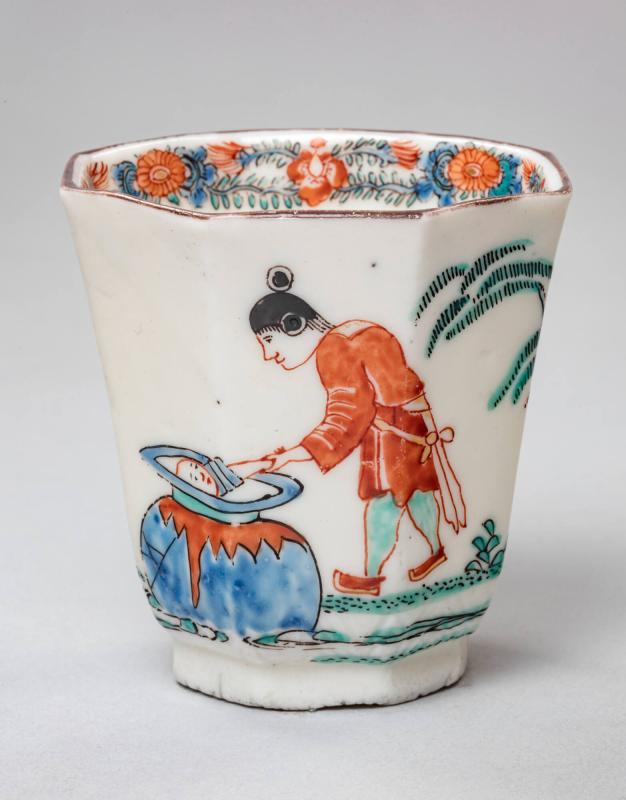
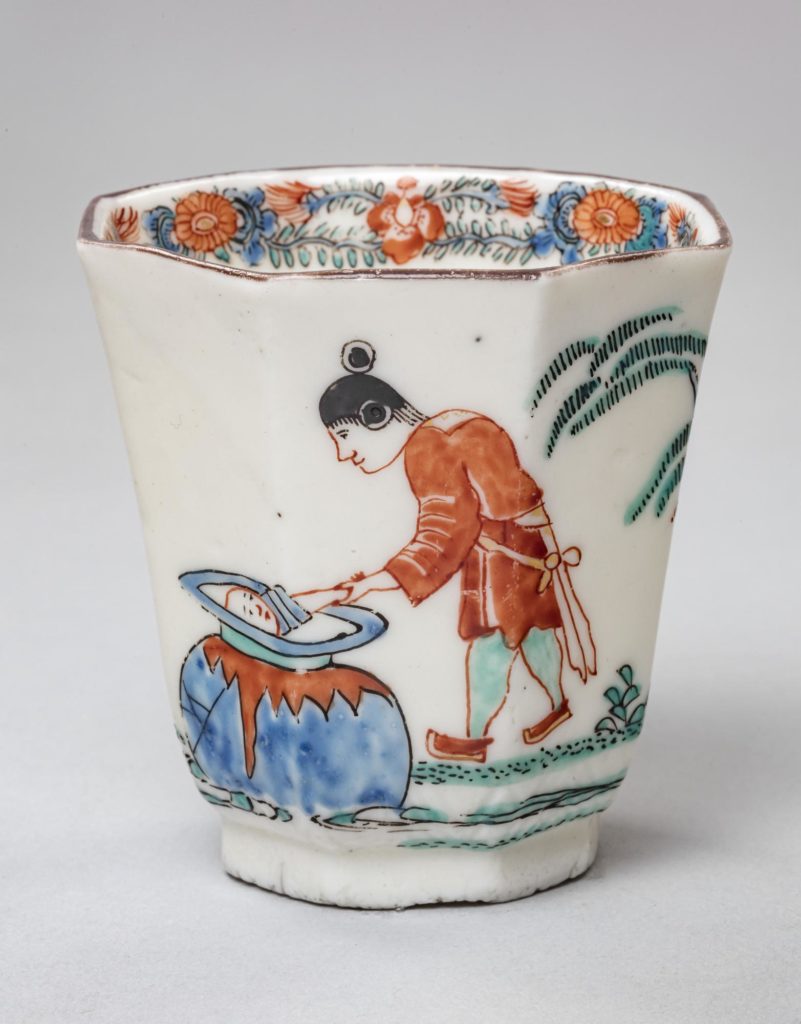
Beaker with Shiba Onko design, made in Jingdezhen, China

Beaker with Shiba Onko design Beaker made in Jingdezhen, China, c. 1700–20 Decorated in the Netherlands, c. 1730 Hard-paste porcelain with overglaze enamels The Macdonald Collection

Independent porcelain decorators (known as Hausmaler) responded to the Kakiemon fashion by decorating imported Chinese and Meissen blanks. This led to truly hybrid objects as exemplified by this Chinese porcelain beaker decorated in the Netherlands with the Shiba Onko design. The story of Shiba Onko was one of the few figurative Kakiemon motifs and was particularly popular throughout Europe.

1Discover more about this beaker
0
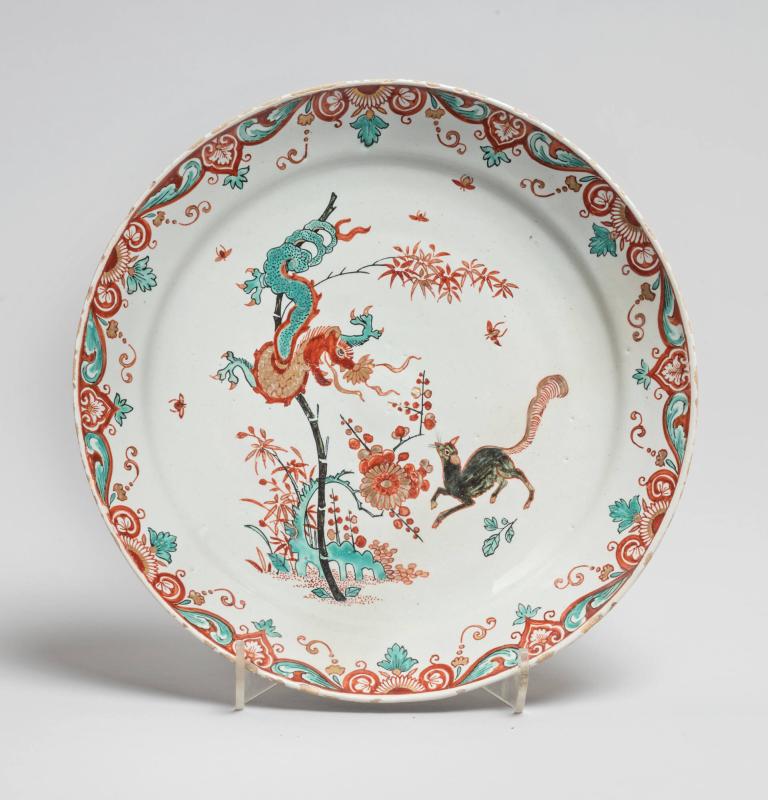
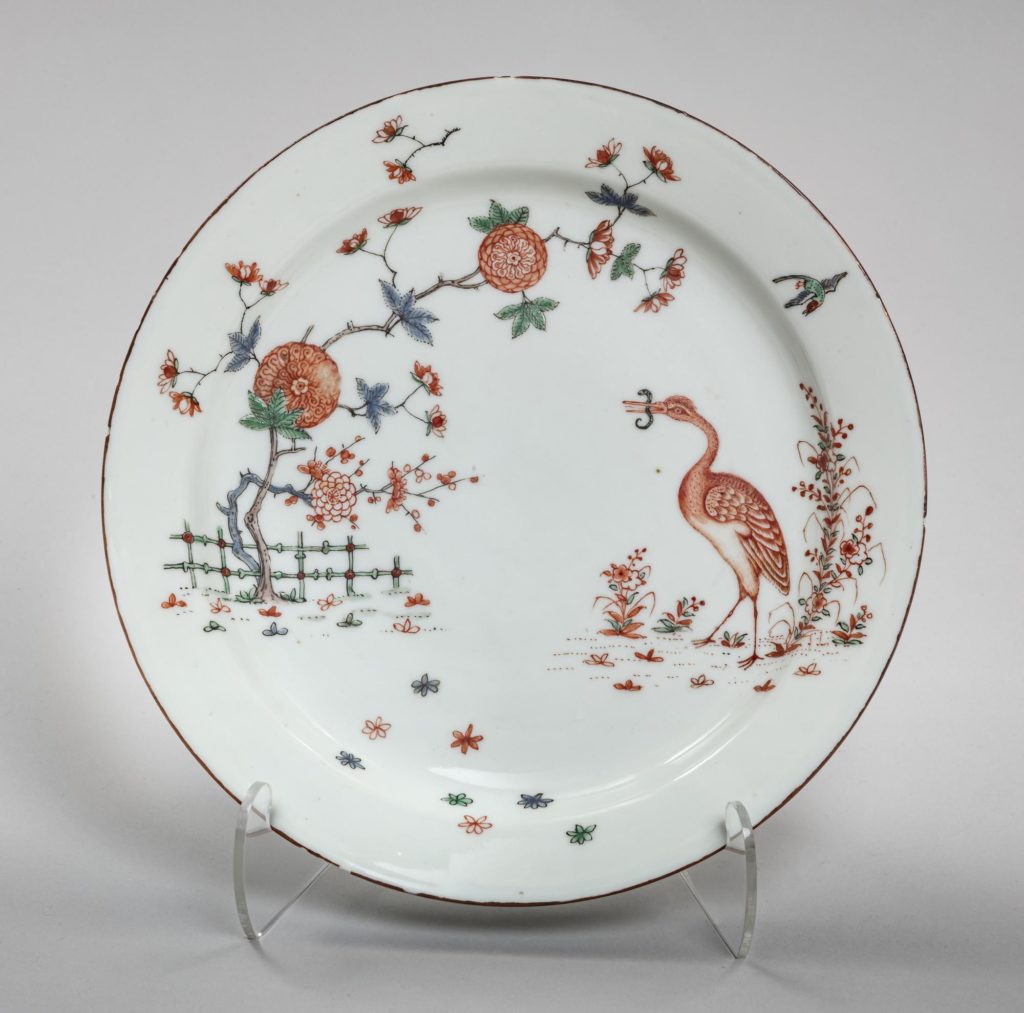
Chinese plate decorated by a Dutch Hausmaler

Dish, China, Qing Dynasty, Kangxi Period (1662-1723), c.1700-1720; decorated in the Netherlands, 1710-1720, Porcelain with overglaze enamels. The Macdonald Collection

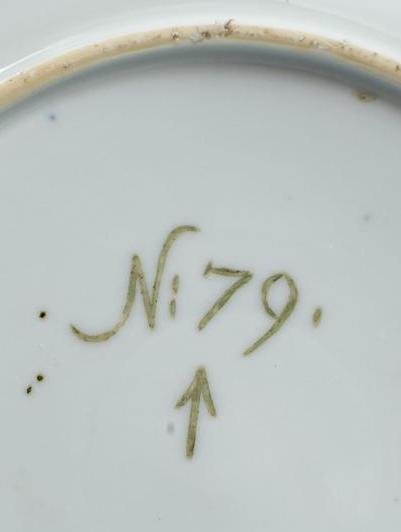
Makers mark of Chinese plate decorated by a Dutch Hausmaler

The work of independent enamellers played an important role in disseminating knowledge of the style, both locally and throughout Europe. For instance, Augustus the Strong, founder of the Meissen porcelain manufactory, obtained many Kakiemon examples through his agents posted in Holland. This Chinese plate decorated by a Dutch Hausmaler is marked with Augustus’s collection inventory number on the back (known as Johanneum numbers). The incised mark indicates that it originally belonged in Augustus’s collection housed in the Japanese Palace, once called the Dutch Palace.